Uncategorized
Great Britain at the Winter Olympics Medals Full History

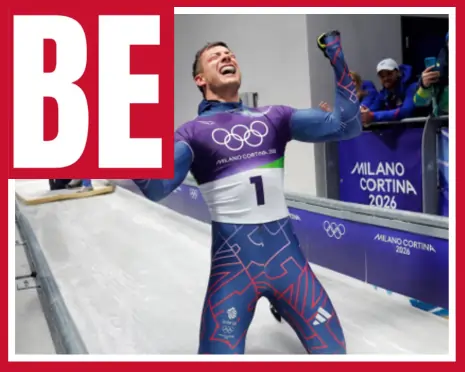
Though Great Britain does not have the same mountains, significant amount of snow, and winter amenities as many countries known for their winter sport tradition, Team GB has developed an impressive Olympic history nonetheless. British winter sport athletes have had remarkable achievements in the areas of curling, figure skating, ice hockey, bobsleigh, skeleton, snowboard, and freestyle skiing. The history of Great Britain in the Winter Olympics can be summed up as one of hard work, specialist training, funding and technological advancements. Milano Cortina 2026 added to this glorious legacy of Great Britain with five medals, three of which were gold medals. This paper analyzes the whole Olympic medals history of Great Britain.
Great Britain’s Winter Olympic Medal Count and Overall Record
Great Britain has won 39 official Winter Olympic medals through Milano Cortina 2026. The total consists of 15 gold medals, six silver medals and 18 bronze medals. Britain has participated in every official Winter Olympics since Chamonix 1924, although it has not won a medal at every edition.
Great Britain at the Winter Olympics medals list includes early success at Chamonix 1924, three medals in 1936 and important figure-skating victories during the twentieth century. Britain later won five medals at Sochi 2014, five at PyeongChang 2018, two at Beijing 2022 and five at Milano Cortina 2026. Seventeen of its 39 Winter Olympic medals were therefore won between 2014 and 2026.
When people search for Great Britain at the Olympics medals, they may see a much larger total. This happens because Britain has won considerably more medals at the Summer Olympics. Figure-skating medals from the 1908 and 1920 Summer Games are also excluded from the standard Winter Olympic total.
British Winter Olympic History and Famous Champions
Britain began its Winter Olympic history with four medals at Chamonix 1924. A Scottish curling team won gold, the four-man bobsleigh team earned silver, and Britain took bronze in figure skating and ice hockey. This remained one of the country’s strongest Winter Games performances for several decades.
Britain produced another major surprise at Garmisch-Partenkirchen 1936 by winning men’s ice hockey gold. Canada had dominated the previous Olympic tournaments, but several British players had developed their skills in North America. Britain has not returned to the Olympic ice hockey podium since that historic victory.
Figure skating later became Britain’s most successful early winter discipline. Jeannette Altwegg won gold in 1952, John Curry became men’s champion in 1976 and Robin Cousins won in 1980. Torvill and Dean’s famous Boléro performance then delivered ice-dance gold at Sarajevo 1984 and became part of British sporting culture.
List of British Winter Olympic Gold Medal Winners
Britain has won 15 Winter Olympic gold medals across curling, ice hockey, figure skating, bobsleigh, skeleton and snowboard cross. Early titles came mainly from ice-based events, while modern success has been led by skeleton and curling. The 2026 snowboard cross victory became Britain’s first Winter Olympic gold in a competition held on snow.
The complete list of British Winter Olympic gold medal winners is:
- 1924: British men’s curling team
- 1936: British men’s ice hockey team
- 1952: Jeannette Altwegg, women’s figure skating
- 1964: Tony Nash and Robin Dixon, two-man bobsleigh
- 1976: John Curry, men’s figure skating
- 1980: Robin Cousins, men’s figure skating
- 1984: Jayne Torvill and Christopher Dean, ice dance
- 2002: British women’s curling team
- 2010: Amy Williams, women’s skeleton
- 2014: Lizzy Yarnold, women’s skeleton
- 2018: Lizzy Yarnold, women’s skeleton
- 2022: British women’s curling team
- 2026: Matt Weston, men’s skeleton
- 2026: Matt Weston and Tabitha Stoecker, mixed team skeleton
- 2026: Charlotte Bankes and Huw Nightingale, mixed team snowboard cross
Lizzy Yarnold and Matt Weston share the British record with two Winter Olympic gold medals each. Yarnold won the women’s skeleton in 2014 and successfully defended her title in 2018. Weston won the men’s skeleton and mixed team skeleton at Milano Cortina 2026, becoming the first British athlete to win two golds at one Winter Games.
Team GB Winter Olympics 2026 Results and Medal Table
For readers asking how many medals GB won in the Winter Olympics 2026, the answer is five. Team GB won three gold medals, one silver medal and one bronze medal. Britain finished 15th in the final standings and matched its five-medal totals from Sochi 2014 and PyeongChang 2018.
Matt Weston won the men’s skeleton before partnering Tabitha Stoecker to win mixed team skeleton gold. Charlotte Bankes and Huw Nightingale won mixed team snowboard cross, while Bruce Mouat’s men’s curling team earned silver. Zoe Atkin completed the Team GB medal table with bronze in women’s freeski halfpipe.
The answer to how many gold medals has Great Britain won in the Winter Olympics 2026 is three. Before the competition, searches for Team GB Winter Olympics 2026 medal hopes focused on skeleton, curling, snowboarding and freestyle skiing. Britain eventually won medals in all four areas and also recorded 24 top-ten finishes.
Britain’s Strongest Winter Olympic Sports
Figure skating produced much of Britain’s historical Winter Olympic success. Champions such as Altwegg, Curry, Cousins, Torvill and Dean combined technical ability with artistic presentation. Their performances also attracted viewers who did not normally follow winter sports.
Curling has become one of Team GB’s most reliable modern medal opportunities. Scotland provides established clubs, competitions and experienced players who can progress into the British Olympic programme. Women’s teams won gold in 2002 and 2022, while Bruce Mouat’s men earned silver in 2022 and 2026.
Skeleton is now Britain’s most consistent modern winter discipline. British athletes won skeleton medals at every Winter Olympics from 2002 through 2026, despite the country lacking a complete Olympic-standard track. Snowboarding and freestyle skiing are also becoming increasingly important sources of British medal opportunities.
Why Britain Wins Winter Medals and Whether Investment Is Worth It
Britain faces major geographical and financial barriers in winter sport. Skiers and snowboarders often begin on dry slopes or in indoor centres before travelling abroad for mountain training. Skeleton and bobsleigh athletes must also train overseas because Britain does not have a full international competition track.
Team GB addresses these disadvantages through targeted investment. Athletes with genuine medal potential receive specialist coaching, equipment support, medical services and international competition experience. This focused approach has allowed Britain to develop successful long-term programmes in skeleton and curling.
The investment is worthwhile when its benefits extend beyond the Olympic medal table. Success can attract sponsorship, inspire young athletes and increase interest in smaller sports. However, elite funding should also support athlete welfare, domestic coaching, accessible facilities and affordable development routes for beginners.
Has Great Britain Hosted the Winter Olympics?
Great Britain has never hosted an official edition of the Winter Olympic Games. London hosted the Summer Olympics in 1908, 1948 and 2012, but no British city has staged the complete Winter Games. Figure skating appeared at the 1908 London Olympics, although those events remain part of Summer Olympic history.
Hosting the Winter Olympics would be difficult because the event requires Alpine ski courses, ski jumps, sliding tracks and reliable snow conditions. Britain does not currently have the mountain infrastructure needed to organise every competition domestically. A future bid would probably require major construction, temporary venues or cooperation with another European country.
Despite never hosting the event, Britain has competed at every official Winter Olympics since Chamonix 1924. Team GB has built a respected medal record through curling, figure skating, skeleton and newer snow disciplines. Its success shows that a country can become competitive without hosting the Games or possessing a traditional winter climate.
Frequently Asked Questions About Team GB Winter Olympic Medals
How many medals has GB ever won in the Winter Olympics?
Great Britain has won 39 Winter Olympic medals: 15 gold, six silver and 18 bronze.
How did GB perform at the 2026 Winter Olympics?
Team GB won five medals at Milano Cortina 2026: three golds, one silver and one bronze.
How many medals did GB expect to win in 2026?
UK Sport expected Team GB to win between four and eight medals, and Britain finished with five.
Who is the most successful British Olympian ever?
Sir Jason Kenny is Britain’s most successful Olympian, with seven gold medals and nine medals overall.
What was Great Britain’s best Winter Olympics?
Milano Cortina 2026 was Britain’s best Winter Games by gold medals, with a record three titles.
Conclusion
The Winter Olympic record of Great Britain clearly reveals the ability to achieve success through investment, coaching, and determination even without sufficient snow and mountains. Great Britain earned 39 medals at the Winter Olympics, out of which 15 were gold, and Milano Cortina 2026 became its best Winter Olympics in terms of gold medals. Success in figure skating, curling, skeleton, snowboarding, and freestyle skiing clearly shows that Great Britain is capable of competing in both ice and snow sports. Further development should be ensured through safeguarding of successful programs, athlete support, and creating ways for young athletes to advance.



King Charles III is the British monarch whose life has been shaped by royal tradition, public service and decades of preparation for the throne. Born at Buckingham Palace in London on 14 November 1948, he became heir apparent when his mother, Queen Elizabeth II, became queen in 1952. After serving as Prince of Wales for more than six decades, he became king on 8 September 2022. His story includes his education, military service, marriages, children, charitable projects and long-standing interest in the environment. Today, his duties include representing the United Kingdom, hosting foreign leaders and supporting national organisations. This guide explores his background, family, royal residences and constitutional role, helping UK readers understand the man behind the Crown.
Who Is King Charles III?
Charles Philip Arthur George is the eldest child of Queen Elizabeth II and Prince Philip, Duke of Edinburgh. He was born during the reign of his maternal grandfather, King George VI. When Elizabeth became queen in February 1952, Charles became heir to the throne at just three years old.
His childhood and adult life developed around the expectations of being a future monarch. He attended school, studied at university, served in the armed forces and gradually took on more official responsibilities. As Prince of Wales, he represented the Crown at public ceremonies, visited communities across Britain and travelled overseas on royal duties.
His reign began immediately after the death of Queen Elizabeth II on 8 September 2022. He became king under the established rules of succession, and his coronation took place at Westminster Abbey on 6 May 2023. Queen Camilla was crowned alongside him during the ceremony.
The king’s role combines constitutional duties with public and ceremonial work. He meets the prime minister, formally opens Parliament, receives foreign leaders and attends national commemorations. However, he does not run the government or set political policy. Elected ministers and Parliament remain responsible for political decisions, while the monarch is expected to remain politically neutral.
The monarchy continues to attract public discussion. Some people value its traditions, charitable work and diplomatic role, while others question hereditary privilege and public spending. These different perspectives form part of the wider debate about the institution’s place in modern Britain.
King Charles Age, Birthday and Early Life
Charles was born on 14 November 1948 at Buckingham Palace. As of October 2026, he is 77 years old and will turn 78 in November. His birth made him the first child of Princess Elizabeth and Philip, who later became Duke of Edinburgh.
His life changed when his grandfather died in 1952 and his mother became queen. Charles moved into the position of heir apparent while still a young child. The royal household had to balance family life with the public duties and formal expectations attached to the Crown.
He attended several schools during his childhood. His education included Hill House School, Cheam School and Gordonstoun in Scotland. He later spent time at Geelong Grammar School in Australia, where he continued his studies as an exchange student.
In 1967, Charles entered Trinity College, Cambridge. He studied archaeology and anthropology before focusing on history and graduated in 1970. He also studied Welsh at the University College of Wales, Aberystwyth, before his investiture as Prince of Wales.
His education helped develop interests that remained important throughout his life. These included history, architecture, rural communities, gardening and environmental protection. They later influenced his charitable work and public speeches, giving him a wider public identity beyond his formal royal duties.
Buckingham Palace and Windsor Castle
Buckingham Palace and Windsor Castle are two of Britain’s best-known royal residences. Both are connected with the monarchy, but they serve different purposes and reflect different parts of royal history.
Buckingham Palace stands in central London and is closely associated with official royal duties. It hosts receptions, formal meetings and events involving visiting leaders. It also remains a powerful symbol of the British Crown and an important point of interest for visitors exploring London’s royal heritage.
Windsor Castle, in Berkshire, has a history stretching back almost 1,000 years. It has served as a royal residence for generations and continues to host official occasions. Its historic rooms, grounds and St George’s Chapel connect the modern monarchy with centuries of British history.
In October 2026, the king and queen are hosting Sultan Haitham bin Tarik of Oman at Windsor Castle for a state visit scheduled from 20 to 22 October. The event demonstrates how a historic royal residence can serve a current diplomatic purpose as well as preserve national heritage.
The Royal Family uses more than one residence for official and private life. The choice of venue depends on the event, security requirements, guest numbers and the royal schedule. Buckingham Palace is closely linked to the monarchy’s work in London, while Windsor Castle provides a historic setting outside the capital.
These residences are more than landmarks. They help host diplomatic meetings, formal ceremonies and public events that connect royal traditions with the country’s present-day role in the world.
Education, Military Service and Life as Prince of Wales
Charles became Prince of Wales in 1958, when he was nine years old. His investiture took place at Caernarfon Castle on 1 July 1969, in a ceremony led by Queen Elizabeth II. The title reflected his position as heir to the throne and remained part of his public identity until he became king.
After university, he trained with the Royal Air Force and served in the Royal Navy. His military career included pilot training and service aboard naval vessels. This experience followed a tradition of military service within the Royal Family and formed part of his preparation for public duties.
As Prince of Wales, Charles carried out thousands of engagements in Britain and overseas. He visited charities, met local communities, attended national ceremonies and represented the queen at events abroad. These responsibilities gave him decades of experience in public service before his accession.
He also developed interests in architecture, heritage and the countryside. His views on building design, farming and the environment sometimes attracted public debate. However, these subjects remained important themes in his charitable work and public speeches.
His long period as heir gave him considerable experience of royal engagements. Becoming monarch brought a new set of responsibilities, however, with a greater emphasis on constitutional duties and the need to remain above party politics.
Queen Camilla, Princess Diana and His Children
Charles’s family life has attracted widespread public attention. He married Lady Diana Spencer on 29 July 1981. Their wedding became a major international event, and they later had two sons: Prince William, born in 1982, and Prince Harry, born in 1984.
The marriage ended in divorce in 1996. Diana continued to be a prominent public figure through her charity work and support for people facing hardship. Her death in a car crash in Paris in August 1997 led to widespread mourning in the UK and around the world.
Charles married Camilla Parker Bowles on 9 April 2005. Following his accession, she became Queen Camilla. Her public work includes support for literacy, victims of domestic abuse and other charitable causes.
William, the elder son, is the Prince of Wales and heir to the throne. He carries out official duties with Catherine, Princess of Wales, and supports causes including homelessness, mental health and environmental protection.
Harry, the younger son, is the Duke of Sussex. He and his wife, Meghan, stepped back from being working members of the Royal Family in 2020 and later established their lives in the United States. Their relationship with other family members has received extensive media attention, but reports about private discussions should be treated carefully unless they are supported by reliable evidence.
Charles has three siblings: Anne, Princess Royal; Andrew Mountbatten-Windsor; and Prince Edward, Duke of Edinburgh. Each has a different relationship with royal duties and public life. Their family connections help explain the wider structure of the modern Royal Family.
Charities, Environmental Campaigns and Personal Interests
Charitable work has been an important part of Charles’s public life for decades. Before becoming king, he helped establish more than 20 charities and supported organisations working in education, employment, rural communities, architecture and traditional skills.
One of his best-known initiatives is The Prince’s Trust, founded in 1976. The organisation helps young people build confidence, develop practical skills and find opportunities in education or work. Its work reflects his long-standing interest in helping people overcome barriers and develop their potential.
Environmental protection has also been a major theme of his public activities. He has spoken about climate change, biodiversity, sustainable farming and the need to protect natural resources. His work often connects these issues with practical choices involving food production, land management, building design and business.
Gardening, architecture and traditional craftsmanship are among his personal interests. He has supported projects that preserve historic buildings and promote skills that might otherwise decline. These interests reflect a broader concern with how communities develop and how the natural and built environments can be protected.
As monarch, he must respect the constitutional expectation of political neutrality. His role therefore differs from his earlier position as Prince of Wales, when he could speak more directly about particular causes. His charitable background remains a significant part of his public history, even as his official responsibilities have changed.
King Charles Cavalier Puppies: What the Search Means
The phrase “King Charles Cavalier puppies” usually refers to the Cavalier King Charles Spaniel, a small companion dog with a name connected to British royal history. The breed is associated with King Charles II, a seventeenth-century monarch known for his fondness for toy spaniels. It is not named after Charles III.
Cavalier King Charles Spaniels are often described as affectionate, sociable and people-oriented. They can suit households that have time for companionship, daily exercise, grooming and regular veterinary care. As with any breed, prospective owners should consider the dog’s needs before choosing a puppy.
Health deserves particular attention. Cavalier King Charles Spaniels can be prone to inherited conditions, including heart disease and certain neurological disorders. People considering the breed should ask about health screening, seek information about the parents’ health and choose a responsible breeder. Adoption through a reputable rescue organisation is another option.
This search topic is separate from the king’s official work and personal biography. Explaining the historical link with King Charles II helps readers understand the name without confusing the dog breed with the current monarch.
The Role of the Monarch in Modern Britain
The British monarch serves as head of state, while the prime minister and elected government are responsible for political leadership. The king’s work includes constitutional duties, ceremonies, diplomatic events and public engagements. Although many of these responsibilities have historic roots, they remain part of the United Kingdom’s constitutional system.
The king meets the prime minister, formally opens Parliament and carries out duties connected with legislation and government formation. He also receives foreign leaders, attends national commemorations and recognises people who have made significant contributions to public life.
Political neutrality is central to the role. The monarch does not campaign for political parties or decide government policy. Instead, the Crown provides continuity while elected representatives make decisions and remain accountable to Parliament and voters.
The monarchy’s place in modern Britain remains a subject of debate. Supporters highlight its historic traditions, charitable work, ceremonial responsibilities and contribution to international relations. Critics question hereditary privilege, transparency and the use of public funds. These perspectives reflect wider discussions about the future of the institution.
Understanding the monarch’s constitutional limits helps readers distinguish between ceremonial duties and political power. The king has a visible role in public life, but government policy rests with elected representatives.
Latest King Charles News in October 2026
Royal news covers state visits, official tours, charitable events and announcements about the work of the Royal Family. One of the main events in October 2026 is the state visit of Sultan Haitham bin Tarik of Oman, hosted by the king and queen at Windsor Castle from 20 to 22 October.
The visit highlights the diplomatic relationship between the United Kingdom and Oman. State visits usually involve formal welcomes, meetings and events designed to recognise ties between countries and encourage future cooperation. They also demonstrate the ceremonial role the monarchy plays in Britain’s international relations.
The king and queen are also scheduled to undertake an autumn tour from 27 October to 4 November 2026. The programme includes Antigua and Barbuda, while the king is due to visit The Bahamas and Guyana. The tour is connected with the Commonwealth and is intended to highlight communities, cultures and nature.
Royal schedules can change, so dates and details should be checked before publication. Official announcements provide a stronger basis for reporting confirmed engagements than rumours circulating on social media.
Readers following royal news should also distinguish public events from speculation about private family matters. Accurate reporting explains what has been confirmed, why an event matters and what remains unknown.
(FAQs)
Who is King Charles?
King Charles III is the King of the United Kingdom and the other Commonwealth realms. He became king on 8 September 2022 following the death of Queen Elizabeth II.
How old is King Charles?
King Charles was born on 14 November 1948. He turns 78 in November 2026.
Who is King Charles married to?
King Charles is married to Queen Camilla. They married on 9 April 2005.
How many children does King Charles have?
King Charles has two sons, Prince William and Prince Harry, from his first marriage to Princess Diana.
Where does King Charles live?
King Charles uses several royal residences, including Buckingham Palace, Windsor Castle and Clarence House. His official engagements and private arrangements determine where he stays.
Conclusion
Charles III’s life connects British royal history with the demands of public service in modern Britain. Born at Buckingham Palace in 1948, he became heir to the throne as a child and spent decades carrying out duties as Prince of Wales. His education, military service, family life and charitable work helped shape his public role. As monarch, he represents the United Kingdom, carries out constitutional duties and supports causes connected with communities, heritage and the environment. Buckingham Palace and Windsor Castle remain important settings for royal life, while state visits and public engagements continue to shape the monarchy’s relationship with Britain and the wider world. Understanding his background offers a clearer picture of the person behind the Crown and the responsibilities of the modern sovereign.

The latest Prince Andrew news centres on a major legal development involving Andrew Mountbatten-Windsor, the former Duke of York and younger brother of King Charles III. On 8 October 2026, the High Court ruled that search warrants used by police to search properties associated with Andrew were unlawful. The decision followed his arrest in February on suspicion of misconduct in public office, in an investigation linked to allegations about his former role as a UK trade envoy and his association with Jeffrey Epstein. The investigation remains ongoing, and further court proceedings are expected in 2027.
The ruling has raised important questions about police procedures, the evidence gathered during the searches and Andrew’s legal position. It has also renewed public interest in his relationship with the Royal Family, his former wife Sarah Ferguson, his living arrangements and the changes to his royal status.
This article explains the latest developments in clear British English. It separates confirmed information from allegations, explains what the court decision means and answers common questions about Andrew’s background, family and finances.
What Is the Latest News About Prince Andrew?
The main development in October 2026 is Andrew Mountbatten-Windsor’s successful legal challenge against search warrants used by Thames Valley Police. The force accepted that the warrants had been issued under the wrong legal provision, and the High Court ruled them unlawful. The searches took place in February, shortly before Andrew was arrested on suspicion of misconduct in public office.
Police searched properties connected with Andrew at Wood Farm on the Sandringham Estate in Norfolk and Royal Lodge in Windsor. Officers seized documents and electronic devices as part of their investigation. Andrew challenged the legality of the warrants, arguing that the searches had not followed the correct legal process.
The court’s decision is significant, but it does not mean that the wider investigation has ended. The judge made clear that the ruling did not automatically make the entire investigation unlawful. Police continue to examine the allegations, and a further hearing is expected in 2027 to consider whether they can retain the material seized during the searches.
This distinction is important for anyone following the case. A ruling about the legality of a search is not the same as a verdict on the allegations being investigated. Andrew has not been found guilty of the suspected offence, and the legal process remains unresolved.
The next stage will help determine what happens to the seized material and how the investigation proceeds. Until further decisions are announced, claims that Andrew has been completely cleared or that he will definitely face charges should be treated with caution.
Why Was Andrew Mountbatten-Windsor Arrested?
Andrew was arrested on 19 February 2026 on suspicion of misconduct in public office. The arrest followed scrutiny of documents released in the United States relating to Jeffrey Epstein. Those documents raised questions about whether Andrew had shared sensitive or confidential information with Epstein while serving as the UK’s trade envoy.
Andrew held the trade envoy position from 2001 to 2011. The allegations under investigation concern his conduct during that period, including communications that may have involved official information. Investigators must assess the available evidence and decide whether it supports further legal action.
Misconduct in public office is a serious allegation. However, an arrest on suspicion does not establish that an offence has occurred. It also does not mean that a person has been charged or convicted. Andrew has denied wrongdoing connected with his association with Epstein.
The case has attracted widespread attention because it involves a member of the Royal Family, a former government-linked role and Epstein’s connections with influential people. Nevertheless, public interest cannot replace the need for reliable evidence and a fair legal process.
Readers should distinguish between the wider controversy surrounding Andrew’s relationship with Epstein and the specific conduct being investigated by British police. These matters are connected, but they are not identical. The outcome will depend on the evidence and the decisions of the relevant authorities.
Why Did the High Court Rule the Search Warrants Unlawful?
The High Court ruling concerned the legal procedure used to authorise searches of Andrew’s properties. Thames Valley Police accepted that the warrants had been issued under the wrong provision of the Police and Criminal Evidence Act 1984. The court therefore ruled that the warrants were unlawful.
The legal issue involved the type of material investigators expected to find. Some documents may qualify as legally privileged or special procedure material, which can require a different legal route before police can search for or seize them.
The warrants were issued on 18 February 2026, the day before Andrew’s arrest. Following the searches, officers took documentary material and electronic devices for examination. Andrew then challenged the legality of the warrants through a judicial review.
The ruling dealt with the lawfulness of the searches, not the truth or otherwise of the underlying allegations. It did not automatically require police to abandon their investigation or return all the material immediately. Police have sought permission to retain the seized items under a different legal basis, and Andrew opposes that application. A further hearing is expected in 2027.
The case highlights why police must follow the correct procedures when applying for search powers. Investigators may believe that a search is necessary, but they still need lawful authority to carry it out.
For readers, the key point is straightforward: Andrew won a legal challenge over the warrants, but the separate investigation remains unresolved.
What Is Andrew’s Connection to Jeffrey Epstein?
Jeffrey Epstein was an American financier and convicted sex offender who associated with wealthy and influential people. Andrew’s past relationship with Epstein became a major public controversy and contributed to his withdrawal from official royal duties.
Andrew discussed their relationship in a widely reported BBC interview in 2019. The interview attracted strong criticism and increased scrutiny of his explanation of their association. Andrew later stepped back from public duties, while questions about his contact with Epstein continued to receive attention.
The current British police investigation focuses on allegations that Andrew may have shared sensitive information with Epstein while working as a UK trade envoy. The inquiry followed the release of documents in the United States that raised questions about communications between the two men.
It is important to separate the confirmed history of their association from the allegations being investigated. A person’s appearance in documents connected with Epstein does not, on its own, prove criminal wrongdoing. Each allegation must be assessed on its own evidence.
Epstein died in prison in 2019 while awaiting trial on federal sex-trafficking charges in the United States. His connections with prominent figures continue to attract public scrutiny, but claims about individual people require careful examination and reliable sourcing.
Andrew has denied wrongdoing connected with Epstein. The British investigation must establish whether the available evidence supports further legal action, and its outcome should not be assumed before the process is complete.
What Has Happened to Andrew’s Royal Titles and Public Role?
Andrew’s position within the Royal Family changed significantly after the controversy surrounding Epstein intensified. In 2019, he stepped back from public duties and stopped undertaking official engagements as a working royal.
In October 2025, further changes were announced concerning his royal status. He lost the use of his remaining royal styles and titles, including the Duke of York title, and became widely known as Andrew Mountbatten-Windsor. These changes followed years of scrutiny over his association with Epstein and his public role.
The changes marked a further separation between Andrew and the public-facing work of the monarchy. However, royal titles and criminal proceedings are separate matters. Changes to his status do not determine whether the allegations under investigation are true.
The controversy has also raised questions about accountability and public confidence in the Royal Family. King Charles III has said that the law must take its course, while the legal proceedings remain a matter for the relevant authorities and courts.
Future developments may lead to further public discussion about Andrew’s place in the wider royal family. However, claims about private royal conversations or future decisions should not be presented as fact unless supported by reliable reporting or official statements.
Where Does Andrew Mountbatten-Windsor Live Now?
Andrew lived at Royal Lodge in Windsor for many years. The large property became a subject of public interest as his royal status changed and questions arose about his future living arrangements.
Reporting in 2026 said that Andrew had left Royal Lodge and moved to Wood Farm on the Sandringham Estate in Norfolk. Both properties are connected with royal estates, although their arrangements and use differ.
Royal property arrangements can be complex. Living in a residence associated with the Crown or a royal estate does not necessarily mean that the resident owns it outright. For this reason, the value of a property should not be confused with the personal wealth of the person living there.
The move has also attracted attention because it reflects the wider changes in Andrew’s public position. However, his living arrangements are separate from the police investigation. A change of home does not establish whether the allegations are true or determine what happens to the seized material.
Readers should be cautious about reports that make unsupported claims about property ownership, private agreements or future moves. Reliable reporting and official information provide a firmer basis for understanding these arrangements.
Who Is Andrew’s Wife, Sarah Ferguson?
Andrew married Sarah Ferguson at Westminster Abbey in July 1986. Sarah became widely known as the Duchess of York, and the couple had two daughters, Princess Beatrice and Princess Eugenie.
Their marriage ended in divorce in 1996. Despite the separation, they maintained a connection through their family and continued to attract media attention because of their relationship after the divorce.
Sarah Ferguson has also faced scrutiny over her past association with Epstein. However, her circumstances and Andrew’s should be assessed separately. Reporting about one person does not establish wrongdoing by the other, and allegations must be supported by reliable evidence.
The former couple’s family arrangements have often attracted public interest, particularly during periods of controversy surrounding Andrew. Nevertheless, claims about their private conversations, future plans or family gatherings should not be treated as confirmed news unless trustworthy sources support them.
What Is Andrew Mountbatten-Windsor’s Family Tree?
Andrew was born on 19 February 1960 at Buckingham Palace. He is the second son of Queen Elizabeth II and Prince Philip, Duke of Edinburgh, and the younger brother of King Charles III.
His immediate family includes three siblings, his former wife and two daughters:
- Mother: Queen Elizabeth II, who reigned from 1952 until her death in 2022.
- Father: Prince Philip, Duke of Edinburgh, who died in 2021.
- Older brother: King Charles III.
- Sister: Anne, Princess Royal.
- Younger brother: Prince Edward, Duke of Edinburgh.
- Former wife: Sarah Ferguson, whom he married in 1986 and divorced in 1996.
- Daughters: Princess Beatrice and Princess Eugenie.
Andrew’s family relationships remain distinct from his former public duties. Changes to his royal status do not erase his place within the family, while titles and official responsibilities are governed by separate rules.
His daughters have their own lives and public roles. They should not be held responsible for allegations concerning their father, and claims about their private opinions should only be included when reliable evidence supports them.
What Is Andrew Mountbatten-Windsor’s Net Worth?
Andrew’s exact personal net worth is not publicly confirmed. Online estimates vary, and many do not explain which assets, liabilities, income sources or property arrangements they include.
It is important to distinguish personal wealth from the value of a royal residence. A person living in a property connected with a royal estate does not necessarily own it or have the right to sell it. Likewise, financial support from a family member does not reveal the full value of someone’s assets.
Recent reporting has discussed financial arrangements surrounding Andrew’s departure from Royal Lodge and support from King Charles III’s private funds. However, these details do not provide a complete account of Andrew’s finances.
Without a reliable breakdown of his assets and liabilities, any precise net-worth figure would be speculative. Readers should therefore be cautious about websites that state a definite amount without explaining its source or method of calculation.
What Are People Saying About Andrew on Reddit?
Reddit discussions about Andrew often focus on the police investigation, his relationship with Epstein, the High Court ruling and the Royal Family’s response. Some users debate the legal consequences of the warrant decision, while others discuss public confidence in the monarchy.
Online discussions can help readers understand different reactions to the news, but they are not a substitute for court records or established journalism. Comments may contain speculation, inaccurate claims or personal opinions presented as facts.
When reading a discussion, check whether the post links to a reliable news report, accurately quotes an official statement and distinguishes confirmed details from rumour. A popular comment is not necessarily a factual account.
The legal position should remain the starting point. The High Court ruling concerned the warrants, while the wider investigation remains ongoing. Public reaction may change as further information becomes available, but it does not determine the legal outcome.
What Has the BBC Reported About Andrew?
BBC reporting has covered Andrew’s arrest, the challenge to the search warrants and the High Court ruling. Its report on 8 October 2026 explained that the warrants were unlawful, while police continued to hold the material seized during the searches. The report also noted that a further hearing was expected in 2027 to consider whether the material could be used as evidence.
A later BBC report, published on 16 October, examined why police feared Andrew might delay officers’ access to a property on the Sandringham Estate by arguing that it belonged to the King. The report described concerns recorded in legal documents, while also explaining that Andrew’s lawyers had successfully challenged the warrants.
The BBC has also reported on the background to the investigation, including the allegations about Andrew’s former trade envoy role and his association with Epstein.
When following a developing story, check the publication date and whether an article has been updated. An earlier report may describe what a party expects to argue, while a later report may explain the court’s decision. The latest verified information is especially important in legal cases, where the position can change after a hearing.
What Happens Next in the Investigation?
The next major issue is whether police can retain the material seized during the searches. Although the warrants were ruled unlawful, officers still hold the material, and another hearing is expected in 2027 to consider whether it can be retained and potentially used as evidence.
Investigators must also continue assessing the evidence relating to suspected misconduct in public office. Any decision about further action will depend on the evidence, the law and the outcome of the relevant proceedings.
The main developments to watch are:
- A court decision on whether police can retain or use the seized material.
- Further statements from Thames Valley Police about the investigation.
- Any formal decision about whether charges should be brought.
- Additional verified reporting about the allegations and the evidence, where legally permissible.
These are issues to monitor, not predictions about what will happen. It would be inaccurate to say that Andrew will definitely be charged or that the investigation must end because the warrants were unlawful.
The clearest position is that the court has ruled on the search warrants, while the wider investigation remains unresolved.
(FAQs)
Is Andrew Mountbatten-Windsor still under police investigation?
Yes. As of 20 October 2026, the investigation into suspected misconduct in public office remains ongoing. The High Court ruling that the search warrants were unlawful did not bring the investigation to an end.
Why were Andrew’s search warrants ruled unlawful?
The warrants were ruled unlawful because the wrong legal provision had been used to authorise the searches. The ruling concerned the legal process, not a final decision about the allegations under investigation.
Has Andrew Mountbatten-Windsor been charged?
Reporting available as of 20 October 2026 describes Andrew as having been arrested on suspicion of misconduct in public office. It does not report a charge in connection with that investigation. An arrest does not establish guilt.
Who is Andrew Mountbatten-Windsor’s wife?
Andrew married Sarah Ferguson in 1986, and they divorced in 1996. They have two daughters, Princess Beatrice and Princess Eugenie.
What is Andrew Mountbatten-Windsor’s net worth?
His exact personal net worth is not publicly confirmed. Online estimates vary, and property arrangements or reports of financial support do not provide a complete picture of his assets and liabilities.
Conclusion
The latest developments concern a High Court ruling that declared the search warrants used at Andrew Mountbatten-Windsor’s properties unlawful. The decision is significant because police must follow the correct legal procedures, but it does not resolve the allegations under investigation or automatically end the case.
Further legal proceedings are expected to address the seized material, while investigators continue examining the suspected misconduct connected with Andrew’s former trade envoy role and his association with Jeffrey Epstein. His royal status, living arrangements, family background and finances remain separate issues that should be assessed using reliable information.
For anyone following Prince Andrew News, the most useful approach is to check publication dates, rely on verified reporting and distinguish allegations from established legal findings. Further court decisions and official statements should provide greater clarity as the investigation progresses.

The Claudia Winkleman Show brought one of Britain’s best-known television presenters to a new prime-time format in March 2026. Broadcast on BBC One, the celebrity chat show featured actors, comedians, musicians and television personalities in conversations with a live studio audience. It offered viewers a different side of Claudia Winkleman, whose popularity had grown through programmes such as Strictly Come Dancing and The Traitors.
The series featured well-known names, including Jeff Goldblum, Jennifer Saunders, Niall Horan, Lisa Kudrow and Ralph Fiennes. However, the programme received mixed reviews, with some critics praising Winkleman’s warmth and humour while others questioned the pace and structure of the interviews. In July 2026, she confirmed that she would not return for a second series, explaining that she had been too nervous to enjoy the experience.
This guide covers the programme’s format, complete episode list, celebrity guests, critical reception, cancellation and viewing options. It also answers common questions about Episode 2, Series 2 and whether viewers can still watch the original episodes.
What Was The Claudia Winkleman Show?
The Claudia Winkleman Show was a British celebrity chat show that aired on BBC One in spring 2026. Presented by Claudia Winkleman, it brought together guests from film, television, comedy and music for lively conversations in front of a studio audience.
So Television, the production company behind The Graham Norton Show, produced the programme. The format followed a familiar entertainment structure: several celebrities sat together while Winkleman guided the conversation, asked questions and encouraged guests to share stories about their lives and careers.
Rather than focusing on one celebrity throughout an entire episode, the programme brought together four guests from different areas of entertainment. This approach offered variety and created opportunities for unexpected exchanges between people who might not usually appear together.
The format also placed considerable responsibility on the presenter. A successful group interview needs natural conversation, well-timed questions and enough space for each guest to speak. The host must keep the discussion entertaining without allowing it to become rushed or unfocused.
The programme gave Winkleman an opportunity to explore a different style of presenting. Although she had extensive experience in entertainment television, a celebrity chat show demanded a different balance of humour, listening and conversation management.
Who Is Claudia Winkleman?
Claudia Winkleman is a British television presenter and writer known for her quick wit, distinctive fringe and energetic on-screen personality. She has worked across television and radio, becoming a familiar face to audiences throughout the UK.
Many viewers recognise her from Strictly Come Dancing, where she co-presented the main competition with Tess Daly. Her work on Strictly Come Dancing: It Takes Two also gave her a regular role in the programme’s coverage of dancers, judges and weekly performances.
Winkleman reached another level of popularity through The Traitors. The BBC reality competition relies on suspicion, strategy and dramatic reveals, while her dry humour and reactions have become a recognisable part of the viewing experience.
These programmes helped establish her reputation as an engaging entertainment presenter. However, success in one format does not automatically guarantee success in another. Hosting a competition involves managing rules, contestants and dramatic moments, whereas a chat show depends on building a conversation that feels spontaneous and comfortable.
Her new programme offered a chance to test those skills in a different setting. The decision not to continue after one series does not erase her achievements in television; it shows that the chat-show format was not an experience she wanted to repeat at that time.
When Did The Show Start and Finish?
The first episode aired on Friday, 13 March 2026. The programme continued through April, with the final highlights edition broadcast on 24 April 2026.
The series consisted of six original episodes and one compilation programme. It occupied a Friday-night slot on BBC One while The Graham Norton Show was between runs, giving the broadcaster a celebrity entertainment programme during that period.
The short broadcast run meant that the show had limited time to establish its own identity. New television formats often need several episodes to settle into a rhythm, especially when the presenter, guest line-up and studio atmosphere are still unfamiliar to viewers.
The programme’s original run ended in April, but the decision about its future came later. On 16 July 2026, Winkleman announced that she would not return for a second series.
This distinction matters when searching for updates. The end of the original broadcast run was not the same as the later announcement about Series 2. The first marked the end of the scheduled episodes, while the second confirmed that Winkleman would not continue with the format.
The Complete Episode Guide and Celebrity Guests
The series brought together a wide range of performers, including Hollywood actors, British comedians, musicians and television stars. Each original episode featured four guests, creating a different combination of personalities and professional backgrounds.
The original broadcast schedule was:
- Episode 1 — 13 March 2026: Jeff Goldblum, Vanessa Williams, Jennifer Saunders and Tom Allen.
- Episode 2 — 20 March 2026: Joanne McNally, Guz Khan, Rachel Zegler and Niall Horan.
- Episode 3 — 27 March 2026: Jimmy Carr, Jamie Dornan, Chase Infiniti and Lisa Kudrow.
- Episode 4 — 3 April 2026: James McAvoy, Gugu Mbatha-Raw, Rita Wilson and Russell Howard.
- Episode 5 — 10 April 2026: Ralph Fiennes, Anna Faris, Olivia Cooke and Michelle de Swarte.
- Episode 6 — 17 April 2026: Dan Levy, Phil Dunster, Cush Jumbo and Josh Widdicombe.
- Highlights edition — 24 April 2026: A compilation of moments from the series.
The guest list was one of the programme’s main attractions. It combined established film stars with comedians and performers whose work spanned television, theatre and music. That variety gave each episode a different character.
For viewers looking for a specific instalment, the broadcast date and guest names are useful search details. They can help distinguish one episode from another when checking television listings or searching a streaming catalogue.
What Happened in Episode 2?
Episode 2 aired on 20 March 2026 and featured Joanne McNally, Guz Khan, Rachel Zegler and Niall Horan. The combination brought together comedy, acting and music for a group conversation in the studio.
Joanne McNally is known for her stand-up comedy and podcast work. Guz Khan has built a career as a comedian and actor, while Rachel Zegler has appeared in major film and stage productions. Niall Horan first became internationally famous as a member of One Direction before developing a solo music career.
The variety of guests reflected the programme’s central idea: bring people from different areas of entertainment together and let the conversation move between their experiences. This approach can create lively exchanges when guests respond naturally to one another.
However, a mixed guest list also presents a challenge. Each person may arrive with a different project to discuss, and the presenter needs to find connections between those subjects. If the conversation moves too quickly, viewers may not get enough time to hear the most interesting parts of each guest’s story.
Episode 2 remains a useful reference point for viewers searching for a particular guest appearance. Its date and line-up identify the edition more clearly than a general search for the programme alone.
What Was the Show’s Format?
The programme used a traditional celebrity chat-show setup, with Winkleman interviewing several guests on a sofa in front of a live audience. Conversations covered entertainment projects, career experiences and personal stories, with humour forming an important part of the format.
One benefit of this approach is variety. A single episode can move from an actor discussing a film to a comedian talking about a tour or a musician reflecting on a career change. Guests can also create entertaining moments by responding to one another rather than simply answering the presenter’s questions.
However, group interviews require careful timing. When four guests share the same sofa, the presenter must make sure that everyone has room to contribute. A story can lose momentum when the subject changes too quickly, while a quieter guest may find it harder to enter the discussion.
The show also needed to establish an identity that separated it from other celebrity programmes. A recognisable host and famous guests can attract initial interest, but a chat show also needs its own rhythm, style of questioning and atmosphere.
Those details can take time to develop. The short first series offered only a limited opportunity to refine the format and build a familiar relationship with viewers.
What Did Critics Think of the Show?
The reviews were mixed. Some critics appreciated Winkleman’s humour, warmth and potential as a chat-show host, while others felt that the opening episode was crowded and lacked a natural flow.
Criticism focused in part on the group-interview structure. With several guests sharing one conversation, topics sometimes moved quickly, and some exchanges did not have much time to develop. This made the programme feel busy to some reviewers rather than relaxed and spontaneous.
Other responses were more positive about Winkleman herself. Her familiar screen personality and comic timing gave the programme a clear central figure, even when the conversations did not always work smoothly. Some reviewers also saw scope for the format to improve with adjustments.
It is useful to separate criticism of the show’s structure from criticism of its presenter. A programme can have an appealing host and a strong guest list but still struggle to turn those ingredients into memorable interviews.
The mixed reception also needs to be kept in perspective. Reviews reflect individual judgements about a programme’s style and execution. They can explain how critics responded, but they do not by themselves establish why a series ended.
Why Was The Claudia Winkleman Show Cancelled?
The programme did not return for a second series because Winkleman decided not to continue. On 16 July 2026, she announced that she had been too nervous to enjoy presenting the show and would not bring it back for another run.
Winkleman expressed gratitude to the BBC, the guests who appeared and the production team. She also indicated that she might consider trying a similar format again one day, although she would not return to it at that point.
The distinction between a presenter choosing to leave and a broadcaster cancelling a programme is important. The public explanation centred on Winkleman’s own experience of hosting the show. Although critics had questioned aspects of the format, the mixed reviews should not be treated as the confirmed reason for its ending.
Chat shows can be demanding because the presenter has to create a relaxed atmosphere while managing several people, a live audience and the pressure of keeping a conversation entertaining. What looks effortless on screen often depends on careful preparation and quick decisions in the studio.
The programme’s end does not mean that Winkleman has left television. She remains associated with other entertainment work, including The Traitors and its celebrity version. Her decision concerned this particular chat-show format rather than her wider presenting career.
Will There Be a Series 2?
There is no confirmed second series. Winkleman announced that she would not return, and the BBC said it respected her decision.
A second run could have offered opportunities to adjust the guest line-up, refine the pace of the interviews and give conversations more room to develop. Those are possible ways a chat show might evolve, but they should not be presented as actual plans without an official announcement.
For viewers searching for Series 2 news, the most accurate position is that the original run remains the only series announced to date. Speculation about a revival does not mean that new episodes are being made.
The announcement also illustrates an important point about television careers. Presenters can experiment with new formats, discover what suits them and decide to return to work they enjoy more. A short-lived programme can still be a meaningful professional experience without becoming a long-running series.
Where Can You Watch the Episodes?
The programme originally aired on BBC One, and BBC iPlayer has carried the series as part of the BBC’s streaming service. UK viewers should check the current programme listing to confirm which episodes remain available.
Streaming availability can change, so it is best not to assume that every instalment will always be accessible. The original broadcast dates and guest names provide a useful starting point when looking for a particular episode.
For example, viewers searching for Niall Horan’s appearance should look for Episode 2, which aired on 20 March 2026. The highlights edition, broadcast on 24 April, brought together selected moments from the series.
It is also worth distinguishing between on-demand viewing and a scheduled television broadcast. An episode appearing in a streaming catalogue does not necessarily mean that it is being shown live that evening. Checking the current listing is the best way to confirm availability.
Is the Show on Tonight?
The original series finished in April 2026, and a second series has not been confirmed. Viewers should not assume that a new episode is scheduled unless the BBC announces a repeat or a future broadcast.
Television schedules can change, and programmes sometimes return as repeats after their original runs. The latest BBC One schedule and streaming listings are the best sources for checking what is available on a particular date.
If an older episode appears in a programme listing, that does not mean the show has returned with new content. Checking the episode title, original date and programme description can help distinguish a repeat from a new series.
What Made the Programme Different From Other Chat Shows?
The programme placed Winkleman’s distinctive personality at the centre of a familiar group-interview format. Her informal humour offered a different atmosphere from the suspense and strategy associated with The Traitors.
The decision to bring several guests together also created opportunities for unexpected combinations. A musician, comedian and actor may approach the same topic from different perspectives, making the conversation more varied than a single extended interview.
However, the format depends heavily on chemistry and timing. A presenter must keep guests involved, make useful connections between subjects and allow enough time for stories to develop. If those elements are not balanced, the discussion can feel rushed.
The series highlighted a broader challenge for television entertainment: popularity alone does not guarantee that a new format will work. A well-known presenter can attract viewers, but a chat show needs a clear identity and a comfortable rhythm to keep them interested.
(FAQs)
How many episodes were there?
The series had seven instalments: six original episodes and one highlights compilation. The first episode aired on 13 March 2026, and the final highlights edition aired on 24 April 2026.
Who appeared in Episode 2?
Episode 2 featured Joanne McNally, Guz Khan, Rachel Zegler and Niall Horan. It was broadcast on 20 March 2026.
Why did Claudia Winkleman leave the show?
Winkleman announced on 16 July 2026 that she would not return for a second series. She explained that she had been too nervous to enjoy presenting the programme.
Will the BBC make a second series?
No second series has been confirmed. Winkleman decided not to continue after the first run, and the BBC said it respected her decision.
Where can viewers watch the episodes?
The programme originally aired on BBC One and has been listed on BBC iPlayer. Viewers should check the current BBC listings to confirm whether individual episodes remain available.
Conclusion
The Claudia Winkleman Show introduced the presenter to a new prime-time role, bringing together actors, comedians, musicians and television personalities for studio conversations on BBC One. Its six original episodes featured a varied guest list, while the highlights edition completed the first series in April 2026.
The programme received mixed reviews. Some critics enjoyed Winkleman’s warmth and humour, while others questioned the pace and structure of the group interviews. In July, she confirmed that she would not return for a second series, explaining that she had been too nervous to enjoy the experience.
For viewers, the episode guide provides a record of the guests and original broadcast dates, while current BBC listings can confirm viewing availability. Although the programme did not continue beyond its first run, it remains an interesting chapter in Winkleman’s television career and an example of how challenging it can be to establish a new celebrity chat-show format.

King Charles Biography Reign and Royal Legacy

Prince Andrew News Latest Updates and Court Ruling

Claudia Winkleman Show Episodes Guests and Reviews
-
 Uncategorized2 months ago
GB News Presenters Female Current Hosts Newsreaders and Journalists
-
 Uncategorized3 months ago
Good Morning Britain Presenters Today’s Hosts and Political Team
-

 Uncategorized2 months ago
Shefali Oza Biography Age BBC Career Husband and Net Worth
-
 Uncategorized3 months ago
Rip Off Britain Presenters Ages Cast Hosts and Everything You Need to Know
-

 Things To Do3 months ago
Universal Studios Great Britain Opening Date Rides Map and Location
-
 Uncategorized3 months ago
Pride of Britain Awards How to Nominate a UK Hero
-
 Uncategorized2 months ago
Emily Campbell Weight lifting Career Olympic Medals and Life Story
-
 Destinations3 months ago
When Did the Romans Leave Britain Complete History and Timeline