
Things To Do
Things to Do in Cornwall Ultimate Travel Guide

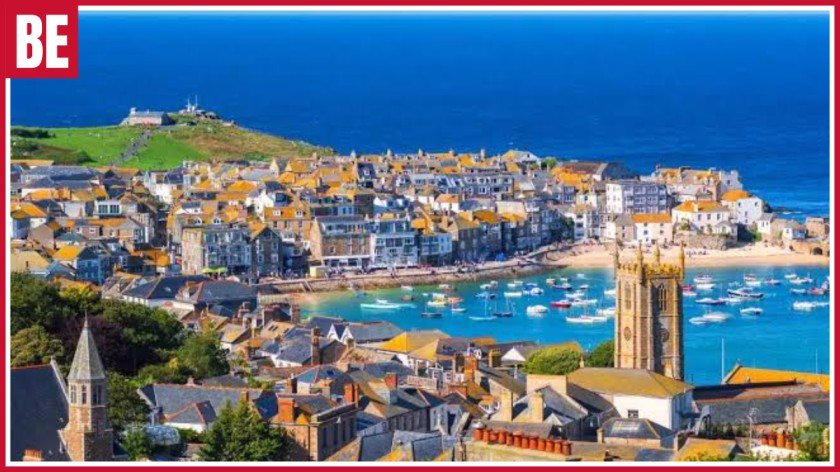
Cornwall is a lovely place to escape the daily routine, with sandy beaches, pretty fishing villages and stunning coastal views. Whether you are visiting with family, spending a weekend with your partner or travelling with friends, you will find plenty to enjoy. You can explore famous attractions, take a relaxing walk by the sea, try local food or discover quiet places away from the crowds. There are also interesting indoor attractions for rainy days, so bad weather does not have to spoil your plans. Whatever your budget or interests, Cornwall offers plenty of ways to make special memories.
Things to Do in Cornwall Today
If you are looking for Things to Do in Cornwall today, start by choosing an activity that suits the weather and the time you have available. On a sunny day, visit a beach such as Porthcurno, Fistral Beach or Gyllyngvase Beach. You can enjoy a coastal walk, take photographs, relax beside the sea or find a café with a view. Check local tide times before exploring rocky beaches, and follow safety signs near cliffs and water.
For a more relaxed day, explore a traditional Cornish town such as St Ives, Falmouth or Padstow. St Ives offers art galleries, independent shops and narrow streets filled with cafés, while Falmouth combines maritime history with waterfront views. Padstow is a good choice for visitors who enjoy harbour scenery and seafood. Arriving earlier in the day can make parking easier, particularly during school holidays and busy weekends.
You do not need to spend a lot of money to enjoy Cornwall. A coastal walk, a visit to a village, a picnic on a suitable beach or an afternoon exploring a public garden can make a rewarding day out. If the weather changes, look for a museum, gallery, aquarium or historic attraction nearby. Before travelling, check opening times, parking arrangements and any booking requirements, because seasonal schedules can vary.
Things to Do in Cornwall on a Bank Holiday Weekend
A bank holiday weekend is a popular time to visit Cornwall, especially when visitors hope to enjoy the beaches and coastal towns. You could plan a trip to St Ives, explore the harbour at Mevagissey or spend time around Falmouth’s waterfront. These places offer a mix of scenery, independent shops, places to eat and opportunities for relaxed walks. However, popular destinations can become busy, so starting early can help you make better use of the day.
Outdoor activities are another option for a long weekend. Depending on conditions, you could try a beginner surf lesson, walk a section of the South West Coast Path or explore a garden such as Trelissick. Families might prefer a wildlife attraction or a beach with suitable facilities, while adults may enjoy a longer walk followed by a meal in a local pub. Always check the weather forecast and choose routes that match your group’s fitness and experience.
Planning ahead can make a bank holiday break easier and less expensive. Book accommodation and popular activities early where possible, and check parking options before setting off. If the main beaches look crowded, consider visiting a smaller village or choosing an inland attraction instead. Keep a flexible plan with one indoor alternative in case of rain. This approach gives you more choices without making the weekend feel rushed.
Romantic Activities for Couples and Days Out for Adults
Cornwall is an excellent destination for couples who want a romantic escape surrounded by natural beauty. You could take a peaceful walk along the coast, watch the sunset from a scenic viewpoint or explore a picturesque fishing village together. St Michael’s Mount offers a memorable setting, although access depends on the tide and visiting arrangements. For a quieter experience, choose a less crowded walking route and stop somewhere along the way to enjoy the views.
Adults who prefer culture and history can visit historic houses, gardens and art galleries. The town of St Ives has a strong artistic atmosphere, while Falmouth offers maritime heritage and waterfront attractions. You could spend the morning exploring exhibitions, enjoy lunch at a local café and finish the afternoon walking beside the harbour. These activities provide a change of pace from spending an entire holiday on the beach.
Food can also be an important part of a romantic break. Look for a traditional Cornish cream tea, freshly prepared seafood or a cosy restaurant serving local ingredients. Couples who enjoy outdoor adventures could book a guided kayaking trip or a surf lesson, subject to suitable weather and sea conditions. If you prefer a peaceful holiday, choose a scenic garden or coastal village instead. The best plan is one that matches your shared interests rather than trying to fit too many activities into a single day.
Adventure Activities for Young Adults
Young adults looking for excitement can find plenty of adventure activities in Cornwall. Surfing is one of the county’s most popular experiences, especially at Fistral Beach in Newquay. Beginners can take lessons with qualified instructors, while experienced surfers can enjoy the waves when conditions are suitable. Cornwall also offers opportunities to explore dramatic coastlines, try water sports and discover beautiful places with friends.
Some of the best adventure activities for young adults include:
- Surfing at Fistral Beach: Learn to surf or improve your skills with a local instructor.
- Kayaking along the coast: Explore coastal scenery from the water with a guided trip.
- Paddleboarding: Enjoy a fun outdoor activity when the weather and water conditions are safe.
- Walking the South West Coast Path: Discover sea views, rugged cliffs and picturesque villages.
- Coasteering: Experience guided coastal adventures involving scrambling and optional jumps at suitable locations.
- Cycling through Cornwall: Explore country lanes, scenic trails and quieter rural areas.
- Exploring Newquay: Visit cafés, independent shops and entertainment venues after a day outdoors.
These activities offer a mix of adventure, exercise and opportunities to spend time with friends. Choose experiences that match your fitness and confidence, check the weather forecast, and book reputable instructors for water sports or other guided adventures.
Young adults who prefer a more relaxed day can explore Cornwall’s independent cafés, food markets, art galleries and live music venues. Falmouth, Newquay and St Ives offer different atmospheres, from lively seaside settings to creative cultural spots. Combining an outdoor activity with a meal or an evening out can make the day more enjoyable without requiring an expensive itinerary.
Family-Friendly Activities and Places to Visit with Kids
Families can enjoy a wide range of activities in Cornwall, from building sandcastles on the beach to discovering wildlife and local history. Beaches such as Gyllyngvase and Porthminster can be suitable choices for a family visit, but conditions and facilities vary. Check lifeguard cover, tide times and local safety information before swimming. Bring snacks, water, sun protection and spare clothing so that younger children can stay comfortable throughout the day.
For an activity away from the beach, consider a wildlife attraction, aquarium, heritage railway or family-friendly garden. These places can give children opportunities to learn while having fun, particularly when they include interactive exhibits or outdoor areas to explore. The Eden Project is another well-known option, with large indoor biomes and gardens that introduce visitors to different plant environments. Check the latest opening arrangements and ticket prices before travelling.
A successful family day does not need to include several expensive attractions. You could choose one main activity, enjoy a picnic and leave time for an easy walk or an ice cream stop. Younger children may appreciate shorter outings, while older children might enjoy adventure activities or longer coastal routes. During school holidays, booking ahead can reduce waiting times and help you avoid disappointment. It is also wise to have an indoor alternative ready in case the weather changes.
Indoor Attractions and Activities for Rainy Days
Rain does not have to spoil a visit to Cornwall. The county has museums, galleries, historic buildings and indoor attractions that can fill a few hours when outdoor plans become difficult. The National Maritime Museum Cornwall in Falmouth is worth considering for visitors interested in boats, seafaring and maritime history. Art lovers can explore galleries in St Ives, while local museums offer insights into Cornwall’s communities and past industries.
The Eden Project can also be an option when the weather is unsettled because its large biomes shelter visitors from much of the rain. You can explore tropical plants, learn about the environment and spend time discovering different displays. Some areas remain outdoors, so a waterproof jacket and comfortable shoes are still useful. Check which experiences are open on your chosen date, particularly if you are travelling outside the main tourist season.
Rainy days can also be a chance to enjoy Cornwall at a slower pace. Visit a traditional tearoom for a cream tea, browse independent shops or choose a café overlooking a harbour. If you are travelling with children, look for attractions with indoor exhibits and facilities suitable for families. Plan your journey around opening hours and parking, and keep one or two alternatives in mind in case your first choice is fully booked.
Unusual Experiences and Hidden Places in Cornwall
If you want to explore beyond the best-known beaches, Cornwall has plenty of distinctive places to discover. Consider visiting small fishing villages, historic harbours, lesser-known gardens or quiet stretches of coastline away from the busiest tourist centres. Mousehole, for example, is known for its picturesque harbour and narrow streets. Exploring early in the day can offer a calmer experience and better opportunities to appreciate the local character.
History lovers might enjoy exploring ancient sites, old mining landscapes and historic buildings that tell the story of Cornwall’s past. The county’s mining heritage has shaped its communities, architecture and countryside, making some former industrial areas fascinating places to visit. Choose marked paths and follow access guidance, especially around old mine workings, cliffs and uneven ground. Some sites have limited facilities, so plan ahead and bring suitable footwear.
For a different kind of day, try a guided wildlife walk, a pottery workshop, a local food experience or a seasonal event. These activities can introduce you to local traditions and skills while supporting independent businesses. You might also discover a quiet garden, a small gallery or a village café simply by exploring an area at a relaxed pace. Respect private property, leave no litter and avoid disturbing wildlife so that these special places remain enjoyable for future visitors.
(FAQs)
What should you not miss in Cornwall?
Visit St Michael’s Mount, St Ives and the Eden Project for beautiful scenery, fascinating history and memorable experiences.
What are the top 5 places to visit in Cornwall?
St Ives, St Michael’s Mount, the Eden Project, Padstow and the Minack Theatre are five excellent places to explore.
What can you do in Cornwall in 3 days?
Spend three days exploring coastal towns, relaxing on beaches, visiting gardens and discovering historic attractions.
What are 10 secret spots to discover in Cornwall?
Explore Prussia Cove, Mousehole, Cadgwith, Golitha Falls, Lantic Bay, the Rame Peninsula, St Nectan’s Glen, the Helford River, Kynance Cove and the quieter paths around the Lizard Peninsula.
Is Cornwall worth visiting for a weekend?
Yes, Cornwall offers beaches, coastal walks, historic sites and delicious local food, making it ideal for a short break.
Conclusion
Cornwall is a lovely place to visit, whether you enjoy relaxing on sandy beaches, exploring pretty villages or trying something new. From the beauty of St Ives to the fascinating Eden Project, there is plenty to make your trip special. Couples can enjoy peaceful walks by the sea, families can find fun activities for children, and friends can try surfing or explore hidden coastal spots. Even if it rains, you can visit local museums, browse small shops or enjoy a traditional Cornish cream tea. With a little planning, you can enjoy Cornwall at your own pace and create wonderful memories.

Madrid has a way of making visitors feel at home. One moment you might be admiring a grand palace or famous painting, and the next you could be sitting in a sunny square with a coffee and watching the city go by. The Spanish capital has something for almost every type of traveller, from families and couples to young adults looking for a lively night out. You can explore historic streets, relax in beautiful parks, try local tapas or find quieter spots away from the crowds. This guide to things to do in Madrid will help you enjoy the city without making your trip feel rushed.
Things to Do in Madrid Today
If you are visiting today, start early in central Madrid and make the most of the cooler part of the day. The Royal Palace is an excellent first stop, especially if you enjoy history and impressive architecture. From there, walk towards Plaza Mayor and continue through the surrounding streets, where cafés, small shops and traditional restaurants create a lively atmosphere.
El Retiro is another excellent choice for a relaxed afternoon. You can walk beside the lake, explore the gardens or find a quiet bench away from the busier paths. If you are travelling with children, look for family activities and outdoor events taking place around the park. Checking the city’s event calendar before leaving your accommodation can also reveal temporary exhibitions, performances and cultural activities.
For the evening, Madrid becomes even more appealing. You could watch a flamenco performance, have dinner in a traditional neighbourhood or explore Gran Vía when the lights come on. If you prefer something quieter, find a rooftop viewpoint and watch the city change from daylight to night.
Things to Do in Madrid for Young Adults, Couples and Families
Young adults have plenty of ways to enjoy Madrid without following a traditional sightseeing itinerary. Malasaña is popular for its independent cafés, bars and creative atmosphere, while neighbourhood markets offer an easy way to try different foods. A walking tour, cooking class or evening cultural event can also be a good way to meet people and experience the city beyond its major landmarks.
Couples can take a slower approach. A walk through El Retiro followed by coffee is simple but enjoyable, while sunset views around the Temple of Debod can create a memorable evening. Dinner in a small tapas bar is another easy option. Madrid does not require every romantic experience to be expensive, and some of the nicest moments come from simply wandering together.
Families can combine sightseeing with open spaces and activities that give children room to move. El Retiro, Madrid Río and several city parks provide useful breaks between museums and historic attractions. Younger visitors may also enjoy the zoo, amusement attractions and interactive cultural experiences, giving parents a chance to build a varied day rather than spending hours moving between museums.
Things to Do in Madrid for Free and Unusual Experiences
One of the best things about visiting Madrid is that you do not need a large budget to enjoy the city. Several parks, squares, streets and viewpoints can be explored without an entrance fee. Walking around Plaza Mayor, exploring the streets near Puerta del Sol and spending time in El Retiro are simple ways to experience the atmosphere of the capital.
For travellers searching for unusual things to do in Madrid, look beyond the obvious tourist route. Visit smaller neighbourhood markets, explore less crowded parks or take a walk through areas such as Lavapiés and Malasaña. You may discover independent cafés, colourful street art and small cultural spaces that do not appear on every standard itinerary.
A few free or low-cost ideas worth considering include:
- Watching the sunset from a city viewpoint
- Exploring El Retiro’s gardens
- Walking around Madrid Río
- Visiting historic squares and neighbourhood streets
- Browsing local food markets
- Exploring free cultural events and temporary exhibitions
The best part is that these experiences leave room for spontaneity. Instead of rushing from one ticketed attraction to another, you can slow down, follow an interesting street and see where it leads.
Why Choose Madrid, Reddit Recommendations and Travel Tips
Travellers often recommend Madrid for its combination of culture, food, nightlife and everyday atmosphere. Discussions on Reddit frequently mention places such as Malasaña, El Retiro, Gran Vía, local markets and smaller bars. These recommendations highlight an important point: some of the best memories can come from ordinary activities rather than simply ticking famous attractions off a list.
Madrid also works well when you want flexibility. The central areas are comfortable for walking, while public transport helps when you want to cover longer distances. Try to avoid packing too many major attractions into one day. A morning at a museum followed by lunch, a park visit and an evening in a lively neighbourhood can feel much more enjoyable.
Food deserves a place in your plans too. Instead of eating every meal close to the biggest attractions, wander into residential areas and look for places filled with local customers. Try Spanish favourites, order smaller portions when possible and allow enough time to enjoy the meal. Madrid’s social food culture is part of what makes the city feel different from a typical sightseeing destination.
Is Madrid Worth Visiting? A Practical Guide for Your Trip
Madrid is worth visiting if you enjoy cities where culture and everyday life sit comfortably alongside each other. There are major museums and royal landmarks for history lovers, large parks for slower afternoons and lively neighbourhoods for evenings. You can also build a trip around food, architecture, shopping or entertainment without running out of options.
Three days is a useful amount of time for a first visit. You could dedicate one day to the historic centre and Royal Palace, another to museums and El Retiro, and a third to neighbourhoods, markets and experiences that interest you most. Longer stays give you more freedom to take day trips or explore areas away from the centre.
Madrid is also a good destination for different budgets. Free parks and public spaces can balance out museum tickets and paid attractions, while affordable tapas and local cafés can keep food costs manageable. The biggest advantage is the city’s variety: you can have a busy sightseeing day or barely follow a plan and still find something enjoyable.
- Also Read. Things to Do in York 2026
(FAQs)
What Should I Not Miss in Madrid?
Do not miss the Royal Palace, Prado Museum, El Retiro and Plaza Mayor.
The Temple of Debod and Gran Vía are also worth adding to your visit.
Is 3 Days Enough to Visit Madrid?
Yes, three days is enough to see Madrid’s main attractions without rushing.
You can enjoy museums, parks, historic areas, food and evening entertainment.
Is Madrid a Walkable City?
Yes, central Madrid is very easy to explore on foot.
Many major attractions are close together, with public transport available for longer trips.
Which Is Nicer, Barcelona or Madrid?
Barcelona is great for beaches, Gaudí architecture and Mediterranean views.
Madrid is better suited to museums, history, parks, food and lively nightlife.
What Is Madrid Best Known For?
Madrid is famous for its royal history, art museums, parks and Spanish food.
Its lively neighbourhoods, nightlife and cultural attractions also make it popular.
Conclusion
Madrid is the kind of city that feels better the longer you spend there. You can admire beautiful palaces and famous paintings in the morning, relax in a park in the afternoon, then enjoy tapas and a lively evening. Couples, families and young travellers can all find something they will enjoy. There are also plenty of free attractions and quieter corners for those who prefer to escape the crowds. The city is easy to explore, with helpful public transport and many attractions within walking distance. Whether it is your first visit or a return trip, Madrid offers culture, great food and memorable moments.

Geneva has a way of making a city break feel both exciting and relaxing. Set beside the beautiful Lake Geneva, it combines elegant streets, historic landmarks, great food and stunning views of the Alps. You can start the morning by the lake, wander through the Old Town, stop for Swiss chocolate and finish the day watching the sunset by the water. There is also plenty beyond the famous sights, including interesting museums, family-friendly attractions and peaceful neighbourhoods. Whether you are visiting for a day, travelling with children or planning a winter getaway, Geneva offers plenty of memorable experiences without feeling overwhelming.
Best Places to Visit in Geneva for First-Time Visitors
For a first visit, start around Lake Geneva before walking towards the historic centre. The Jet d’Eau is the city’s most recognisable landmark, rising around 140 metres above the lake. From there, you can walk towards the English Garden and see the famous Flower Clock before continuing uphill into the Old Town. Geneva Tourism recommends this combination because several major sights fit naturally into one route.
Geneva’s Old Town offers a completely different atmosphere. Its cobbled streets, historic buildings, small squares and hidden passages surround St Peter’s Cathedral and Place du Bourg-de-Four. Parc des Bastions and the Reformation Wall are also close by. After exploring the historic centre, you can choose something that matches your interests, such as a museum, CERN, Carouge, International Geneva or Mont Salève.
For a first visit, the main places to consider are: Jet d’Eau, Lake Geneva, Flower Clock, Old Town, St Peter’s Cathedral, Place du Bourg-de-Four, Parc des Bastions, Reformation Wall, CERN, Carouge and Mont Salève.
What to Do in Geneva for One Day or Two Days
One day is enough for a good introduction if you keep your itinerary focused. Begin beside Lake Geneva, see the Jet d’Eau and walk towards the Flower Clock. Continue into the Old Town for St Peter’s Cathedral and Place du Bourg-de-Four, then choose one afternoon experience rather than trying to visit everything. Geneva Tourism suggests options such as International Geneva, a museum or a local chocolate experience.
Two days give you more breathing room. Spend the first day around the lake and historic centre, then use the second day for experiences that match your interests. You could visit CERN, explore museums, discover Carouge, learn about Geneva’s international role or take a trip towards Mont Salève. Two days also mean you can slow down, enjoy longer meals and explore the city without constantly checking the time.
Geneva in Winter, December and at Christmas
Winter gives Geneva a quieter and more atmospheric feel. You can enjoy the Old Town, museums, cafés, Swiss food and chocolate experiences when the weather is cold, while clear days can offer beautiful views towards the mountains. Indoor attractions are particularly useful when rain or low temperatures make long outdoor walks less appealing. Geneva Tourism also promotes museums, food experiences and seasonal activities as ways to enjoy the city throughout the year.
December can be especially enjoyable for travellers who like festive surroundings. Seasonal events, Christmas activities, warm cafés and Swiss specialities can create a cosy atmosphere. However, check dates and opening times before travelling because individual Christmas programmes can change. A fondue meal or chocolate experience can also add a distinctly Swiss touch to a winter itinerary.
Unusual and Unique Geneva Experiences
Once you have seen the major landmarks, Geneva becomes more interesting when you explore beyond the standard sightseeing route. Carouge offers a different atmosphere from the lakefront and Old Town, with distinctive streets, cafés and local character. The Bains district is another good choice for visitors interested in contemporary culture and galleries. Geneva’s international district and CERN reveal other sides of the city, particularly its diplomatic and scientific importance.
Nature is also surprisingly close. Mont Salève, across the border in France, provides panoramic views towards Geneva, the lake and surrounding landscapes. You can also simply walk beside the lake without planning a particular destination. A relaxed lakeside stroll, coffee stop or boat crossing can sometimes become more memorable than another scheduled attraction.
Geneva With Kids and Families
Geneva can work well for families when you balance sightseeing with activities that allow children to move around. The lakefront is an easy starting point, while a Mouette water bus crossing can make transport part of the adventure. Parks and green spaces provide useful breaks between attractions, and older children may enjoy science-focused experiences such as CERN. Geneva Tourism recommends alternating walks with shorter activities when exploring the city with children.
Families can also include the Botanical Garden, parks, chocolate experiences and other attractions depending on the children’s ages and interests. The key is not to fill every hour with sightseeing. Leave time for snacks, outdoor play, relaxed meals and unexpected discoveries. This makes the trip more enjoyable for parents as well as children.
Is Geneva Worth Visiting? Travel Tips, Pros and Cons
Geneva is worth visiting if you enjoy a mixture of scenery, history, culture and food. Its biggest advantage is variety: you can walk beside a beautiful Alpine lake in the morning, explore a historic centre around lunchtime and spend the afternoon learning about science, diplomacy or Swiss craftsmanship. Many central sights can also be explored on foot, making Geneva convenient for a short city break.
The main drawback is cost. Switzerland is generally more expensive than many European destinations, particularly for accommodation and dining. However, you can control spending by walking between central attractions, using public transport and choosing affordable meals. The Geneva City Pass may also be useful for travellers planning several paid activities because it offers free or discounted experiences and public transport benefits.
(FAQs)
Is Geneva worth visiting for tourists?
Yes, Geneva is worth visiting for its lake, Old Town, museums and beautiful mountain views.
It is also a convenient destination for a short European city break.
Are 2 days enough to visit Geneva?
Yes, two days are enough to explore the main attractions without rushing.
You can visit the lake, Old Town, museums, Carouge and nearby highlights.
Is Geneva expensive for tourists?
Geneva is generally an expensive Swiss destination, especially for accommodation and dining.
Travellers can save money by using public transport and choosing budget-friendly activities.
What should you not miss in Geneva, Switzerland?
Do not miss the Jet d’Eau, Lake Geneva, Flower Clock and historic Old Town.
CERN, Parc des Bastions and Mont Salève are also worth considering.
What is the best time to visit Geneva?
Summer is excellent for outdoor activities, lake views and boat trips.Winter and December are ideal for museums, Swiss food and festive experiences.
Conclusion
Geneva is the kind of city that is easy to enjoy without trying to see everything at once. You can admire the Jet d’Eau, stroll beside Lake Geneva, get lost in the Old Town and stop for a warm coffee or some Swiss chocolate along the way. If you have more time, museums, Carouge, CERN and nearby mountain views give you plenty of reasons to stay longer. Families, couples and solo travellers can all find something to enjoy here. Whether you visit in summer or during the festive winter season, Geneva offers a lovely mix of scenery, culture, food and relaxed city life.
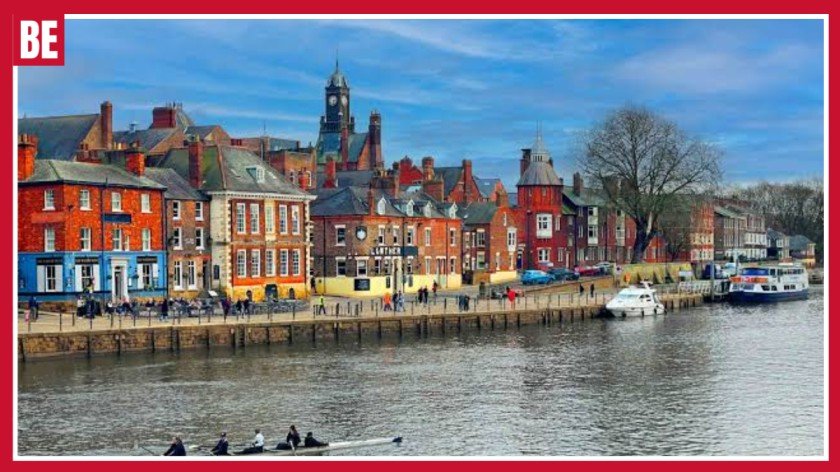
Things to Do in York Planning a trip to York in 2026? You are in for a treat. This charming Yorkshire city packs centuries of history into a surprisingly walkable centre, with beautiful streets, ancient walls and plenty of places to stop and explore. York Minster and the Shambles are obvious highlights, but there is much more to discover beyond them. You can step into Viking history, visit fascinating museums, stroll beside the River Ouse or find a cosy pub for the evening. Whether you are travelling with family, visiting as a couple, meeting friends or exploring alone, York offers plenty of memorable experiences for different budgets and interests.
Things to Do in York 2026: Best Attractions and Historic Places
York is one of the UK’s most rewarding historic cities to explore on foot. Its centre brings together Roman, Viking, medieval and modern history, so you can discover something interesting almost every time you turn a corner. York Minster is an obvious starting point, with its impressive architecture, stained glass, historic Crypt and Undercroft Museum. Visitors can also take part in guided tours and, where available, climb the Central Tower, which involves 275 steps and offers views across the city.
The Shambles is another essential stop, with narrow historic streets, independent shops and plenty of places to eat. From there, you can explore York’s snickelways, walk sections of the medieval city walls and visit Clifford’s Tower. JORVIK Viking Centre adds an immersive look at Viking-age York, while the National Railway Museum and York Castle Museum offer very different perspectives on the city’s past. Visit York also highlights attractions such as the River Ouse, museums, city walls and ghost walks as important parts of the city’s visitor experience.
Things to Do in York for Adults and Young Adults
York has plenty to offer adults and young visitors beyond traditional sightseeing. You can spend the morning exploring York Minster or the city walls, enjoy lunch in the historic centre and then choose between museums, independent shops or a riverside walk. The compact centre makes it easy to move between attractions without spending much time travelling.
Some popular ideas for adults and young adults include:
- Explore the Shambles and historic city centre
- Visit JORVIK Viking Centre
- Walk along York City Walls
- Enjoy food at independent restaurants and cafés
- Visit traditional pubs and modern bars
- Join an evening ghost walk
- Explore museums and local shops
- Take a relaxed walk beside the River Ouse
The evening brings another side of the city. York has traditional pubs, modern bars, restaurants and evening entertainment, while ghost walks provide something different from a typical night out. Visitors interested in drinking in York can create their own relaxed pub route, while those who do not drink can enjoy cafés, restaurants, evening walks and cultural experiences instead. Young adults travelling with friends can easily combine historic sightseeing with food and nightlife without needing a car.
Things to Do in York for Families
York is a useful destination for families because many attractions make history feel interactive rather than simply something to read about. JORVIK Viking Centre is particularly interesting for children who enjoy stories and historical experiences, as it takes visitors through a reconstructed Viking-age setting and displays archaeological discoveries. York Minster can also appeal to families, especially older children who enjoy architecture, history and unusual details about historic buildings.
The National Railway Museum provides another family-friendly option, especially for children interested in trains, engineering and transport. Museum Gardens and the River Ouse can provide quieter breaks between attractions, which is important when travelling with younger children. Families should avoid trying to visit too many major attractions in one day. Choosing two or three main activities and leaving time for food, rest and free exploration usually makes the experience much more enjoyable.
Things Do in York for Couples
York is a lovely destination for couples because you do not need a packed itinerary to enjoy your time together. Start with a relaxed walk through the Shambles and surrounding lanes, visit York Minster and then make your way towards the River Ouse. The historic streets provide plenty of attractive places for photographs, while independent cafés and restaurants give couples opportunities to stop whenever they find somewhere appealing.
Evenings can be tailored to your style. A traditional pub, cosy restaurant or modern bar can make a simple evening enjoyable, while a ghost walk offers something more unusual. Couples staying overnight can also slow the pace down by spending the second day exploring museums, gardens and quieter streets rather than rushing between every major attraction. York’s mix of history, food, atmosphere and walkable streets makes it suitable for short romantic breaks as well as longer weekends.
Free Things to Do in York
You can enjoy York without spending a lot of money because many of the city’s best experiences involve walking and exploring. The historic centre, Shambles, snickelways and accessible sections of the city walls can all be enjoyed without paying an attraction admission fee. Museum Gardens also provides a peaceful place to sit and take a break, while a walk along the River Ouse gives you changing views of the city.
For a budget-friendly day, consider combining one paid attraction with several free activities rather than buying tickets for everything. A simple route could include the historic centre in the morning, the Shambles and city walls around midday, Museum Gardens in the afternoon and the River Ouse towards evening. You can then choose an affordable café, pub or takeaway for food. Checking current attraction policies before travelling is still important because opening arrangements and admission rules can change.
Planning a York Day Trip, Weekend and Visit Today
A one-day visit works best when you choose your priorities before arriving. Start early with York Minster, then walk through the historic centre towards the Shambles and nearby medieval lanes. After lunch, choose one major attraction such as JORVIK Viking Centre or the National Railway Museum. Finish with a riverside walk, dinner or an evening activity. If you have two days, use the second day for attractions that need more time and allow yourself a slower pace. JORVIK currently uses timed entry and recommends booking ahead, so checking its latest visitor information before travelling is sensible.
For a visit today, always check the opening hours of individual attractions before leaving. York Minster can have changes because of worship and special events, while other attractions may use timed admission. Weather should also influence your plan. On a wet day, museums, York Minster, JORVIK and cafés can keep the trip enjoyable, while dry weather is ideal for the city walls, gardens and riverside walks. Visit York describes the city as a place where Roman and Viking heritage sits alongside museums, culture and modern visitor experiences.
- Also Read. Rylan Clark Career Age and Personal Life
(FAQs)
How can I spend one day in York?
Start with York Minster and the Shambles, then explore the City Walls and one major museum.
Finish with dinner, a riverside walk or an evening ghost tour.
What are the best things to do in York in 2 days?
Spend the first day exploring the historic centre, York Minster and the Shambles.Use the second day for JORVIK, museums, the National Railway Museum and the River Ouse.
Which city is nicer to visit, Bath or York?
Bath is known for Roman heritage, Georgian architecture and elegant streets.York offers Viking history, medieval streets, museums and a compact historic centre.
Is York in the UK worth visiting?
Yes, York combines history, architecture, museums, shopping, food and evening experiences.
It works well for day trips, family holidays, romantic breaks and weekend visits.
What is York best known for?
York is famous for York Minster, the Shambles, its medieval walls and Viking heritage.The city is also known for railway history, museums and its chocolate-making heritage.
Conclusion
York has a special way of making a short visit feel memorable. You can wander through the Shambles, admire York Minster, walk along the ancient walls or simply enjoy the atmosphere beside the River Ouse. Families will find plenty to keep children interested, while couples can enjoy peaceful walks, cosy pubs and relaxed evenings. Adults and young visitors also have plenty of museums, restaurants, shops and nightlife to explore. There are even plenty of free experiences for visitors on a budget. Whether you come for one day or a whole weekend, York makes it easy to fill your time with history, culture and enjoyable moments.

Things to Do in Cornwall Ultimate Travel Guide

Matt Smith Footballer Biography and Career Journey

Extreme Day Trips in the UK Best Adventures for 2026
-

 Uncategorized2 months ago
GB News Presenters Female Current Hosts Newsreaders and Journalists
-

 Uncategorized3 months ago
Good Morning Britain Presenters Today’s Hosts and Political Team
-

 Uncategorized2 months ago
Shefali Oza Biography Age BBC Career Husband and Net Worth
-

 Uncategorized2 months ago
Rip Off Britain Presenters Ages Cast Hosts and Everything You Need to Know
-

 Things To Do3 months ago
Universal Studios Great Britain Opening Date Rides Map and Location
-

 Uncategorized3 months ago
Pride of Britain Awards How to Nominate a UK Hero
-

 Uncategorized3 months ago
Great Britain at the Winter Olympics Medals Full History
-

 Uncategorized2 months ago
Emily Campbell Weight lifting Career Olympic Medals and Life Story