Destinations
Britain Explore Understanding England Scotland Wales and the UK

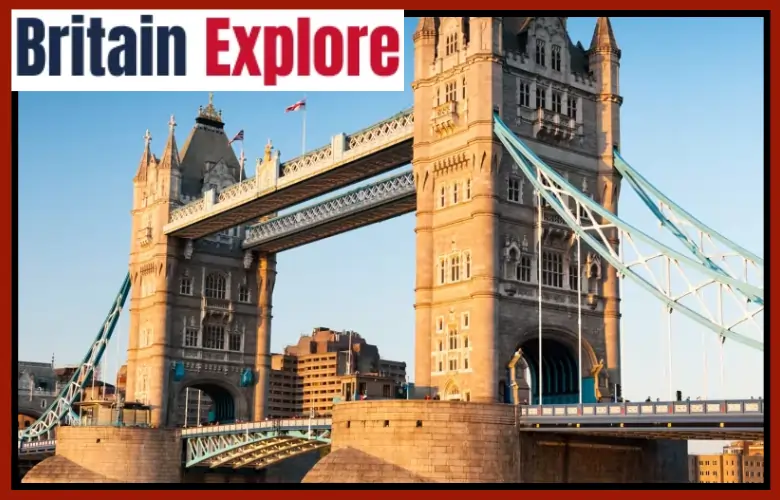
Britain provides cities rich in history, royal monuments, tranquil villages, stunning coastline, and mountainous regions, all within one destination. But planning an ideal trip to this country is more than just selecting London along with some of its popular sights. Travelers should know about the different regions of Britain, the distance between them, weather conditions, and the difference between Britain and the United Kingdom. Britain Explore will tell you about all important information that will be needed for you to create an itinerary that is efficient and fun to follow.
Understanding Britain, Great Britain and the United Kingdom
Many travellers search Britain as a country because Britain, England, Great Britain and the United Kingdom are often treated as identical terms. Great Britain is the geographical island containing England, Scotland and Wales. England occupies the largest southern and central area, while Wales lies to the west and Scotland covers the north. Britain is commonly used as a shorter name for Great Britain.
The United Kingdom includes England, Scotland, Wales and Northern Ireland. This explains the popular Britain vs UK comparison because Great Britain contains three countries, while the United Kingdom contains four. Northern Ireland belongs to the UK but sits on the island of Ireland. England is therefore not another name for the entire country.
The phrase let’s explore the UK suggests travelling through all four countries and experiencing their distinct identities. England offers major cities and countryside, while Wales provides castles, mountains and a living Celtic language. Scotland adds historic cities, islands and lochs, while Northern Ireland contributes maritime history and coastal scenery. Understanding these differences helps travellers plan more accurate and respectful journeys.
Using a Britain Map Travel Books and Older Resources
A detailed Britain map helps travellers understand where cities, national parks, coastlines and transport routes are located. London lies in southeast England, while Manchester, Liverpool and York are farther north. Cardiff is in southern Wales, while Edinburgh and Glasgow sit in Scotland’s Central Belt. Distances may look short, but actual travel times can be much longer.
A useful Britain travel map should include railways, motorways, airports, ferry terminals and national parks. It can help you group nearby places into practical routes rather than repeatedly travelling between the north and south. London, Bath and the Cotswolds form a suitable southern itinerary. Manchester, Liverpool, York and the Lake District work well as a northern route.
A British travel book may be a travel guide, map book, geography resource or children’s educational publication. A British travel guide from 2022 can still provide useful information about geography, history and destination ideas. However, current prices, transport schedules and attraction opening times may have changed. Recent practical details should always be checked separately.
Why People Choose to Visit Britain and the Main Benefits
People choose to visit Britain for history, architecture, literature, sport, music, food and natural scenery. Roman remains, medieval castles, Victorian railway stations and modern buildings often appear within the same destination. London provides royal landmarks and museums, while York and Bath reveal different periods of English history. Scotland, Wales and Northern Ireland add mountains, islands, castles and coastal landscapes.
The main benefits include:
- Strong railway links between major cities
- Free museums, galleries and public parks
- Historic attractions from several periods
- Coastal, mountain and countryside experiences
- Activities for families, couples and solo travellers
- Strong educational and cultural value
- Travel opportunities throughout the year
Britain also works well for specialist travel. Literature enthusiasts can follow routes connected with Shakespeare, Jane Austen and the Brontë family. Football supporters can visit famous stadiums in London, Manchester and Liverpool. Outdoor travellers can explore the Lake District, Eryri, the Yorkshire Dales or the Scottish Highlands.
Best Places to Explore Across England, Scotland, Wales and Northern Ireland
London is the main starting point for many international visitors. Westminster, Buckingham Palace, the Tower of London and the South Bank provide a strong introduction to the capital. Neighbourhoods such as Greenwich, Camden, Richmond and Hampstead reveal a more local side of city life. Outside London, Bath, Oxford, Cambridge and Brighton offer history, education and coastal culture.
Central and northern England provide industrial history, music, football and attractive natural scenery. Birmingham combines museums, canals and diverse food, while Manchester is known for sport and music. Liverpool offers maritime heritage, and York provides medieval streets, walls and railway history. The Lake District, Peak District and Yorkshire Dales offer rewarding countryside experiences.
Wales, Scotland and Northern Ireland add greater cultural variety. Cardiff offers a castle, museums and a modern waterfront, while North Wales contains medieval fortifications and Eryri’s mountain scenery. Edinburgh is known for its castle, while Glasgow offers music, art and industrial architecture. Belfast, the Causeway Coast and Derry or Londonderry complete a broader journey through the United Kingdom.
How to Plan a Realistic Britain Itinerary, Budget and Transport Route
A realistic itinerary should reflect your available time and the distance between regions. London, Cornwall, Edinburgh, the Highlands and the Isle of Skye cannot be explored properly during one short week. A practical seven-day route could combine London, York and Edinburgh. Another option could include London, Bath and the Cotswolds.
Train travel is usually the easiest choice between major cities. London, Manchester, York, Cardiff, Edinburgh and Glasgow have useful railway connections. A car becomes more practical in Cornwall, rural Wales, the Cotswolds and the Scottish Highlands. Many travellers use trains for city journeys and hire a vehicle only for countryside areas.
Accommodation is often the largest expense, especially in London, Edinburgh and popular coastal regions. Booking early can provide better prices and a wider choice of rooms. Food costs can be controlled by combining restaurants with cafés, markets and supermarket meals. Free museums, parks and walking routes also help reduce the total budget.
Pros and Cons, Real-Life Uses and Is Exploring Britain Worth It?
Britain’s greatest advantage is the variety available within one journey. A family could combine London’s museums, York’s medieval streets and Edinburgh’s castle. A literature enthusiast might visit Stratford-upon-Avon, Oxford, Bath and Haworth. Outdoor travellers may prefer the Lake District, North Wales and the Scottish Highlands.
The main disadvantages are high costs, unpredictable weather and limited rural transport. Hotels and train tickets can become expensive when booked late. Rain may affect outdoor plans throughout the year, while remote villages can be difficult to reach without a car. Popular places such as London, Bath, Edinburgh and Skye can also become crowded.
A carefully planned British journey is worth the time and cost for travellers interested in history, culture, architecture and natural scenery. The experience becomes less enjoyable when too many distant places are added to one short itinerary. Staying longer in fewer destinations creates deeper cultural experiences. A focused regional holiday normally provides better value than a rushed nationwide tour.
Frequently Asked Questions
What Is Britain Famous For?
Britain is famous for its royal family, castles, literature, football, music and historic landmarks. It is also known for museums, universities, countryside and coastal scenery.
What Are the Seven Wonders of the UK?
There is no official list, but popular choices include Stonehenge, Giant’s Causeway, Edinburgh Castle and the Lake District. Eryri, the Roman Baths and Hadrian’s Wall are also frequently included.
Where Did Great Britain Explore?
British explorers travelled across Africa, Asia, Australia, the Americas, the Pacific and polar regions. These expeditions supported mapping and science but were also closely connected with colonial expansion.
What’s Famous in Britain?
Buckingham Palace, Big Ben, red buses, afternoon tea and Premier League football are widely recognized. Britain is also famous for historic cities, castles, music and traditional villages.
Is Britain the Same as England?
No, England is one of the three countries located in Great Britain. Scotland and Wales are also part of Great Britain.
Can Britain Be Explored Without a Car?
Yes, major cities such as London, York, Cardiff and Edinburgh have strong railway connections. A car is more useful for rural Wales, Cornwall and the Scottish Highlands.
How Many Days Are Needed to Explore Britain?
Seven to ten days are enough for two or three connected destinations. Two weeks provide a better balance between major cities and countryside regions.
Conclusion
The country does not just offer its royal sights, red buses, and famous streets. It provides a blend of historic towns, cultural centers of today, tranquil countryside, and beautiful coastlines. The trip is likely to be successful when one realizes the distinction between Great Britain and the United Kingdom, selects reasonable routes, means of transportation, and budget. Guides and maps can be used as tools to plan the trip initially, while up-to-date information will help clarify prices and schedules. It is better to see less but to see it in detail.



Planning a holiday is exciting, but choosing where to go can sometimes feel overwhelming. There are beautiful cities, peaceful beaches, historic towns and incredible natural landscapes waiting to be explored. Some travellers want a relaxing escape, while others prefer adventure, culture, shopping or great food. Your choice also depends on your budget, travel dates and who you are travelling with. This guide brings together a variety of inspiring places around the world, from affordable getaways to romantic escapes and unforgettable adventures. Whether you are planning your first overseas trip or your next big journey, these ideas can help you find somewhere that feels right for you.
Best Travel Destinations in the World
The best travel destinations in the world offer something memorable, whether that means ancient architecture, incredible food, spectacular beaches or dramatic landscapes. Japan is a fascinating choice for travellers who want to experience traditional culture alongside modern city life. Tokyo offers endless entertainment, while Kyoto provides temples, gardens and a calmer atmosphere. Italy is another favourite, combining famous art, historic cities, beautiful coastlines and regional food.
Portugal and Spain are excellent choices for travellers who want sunshine, culture and coastal scenery without an overly complicated itinerary. Greece offers ancient history alongside beautiful islands, while Thailand combines tropical beaches, temples, markets and delicious food. Vietnam is particularly appealing for travellers interested in street food, history and natural scenery.
For adventure, New Zealand, Peru, Iceland and Tanzania offer very different experiences. Travellers can explore mountains, glaciers, archaeological sites and wildlife-rich landscapes. Morocco provides another distinctive experience, with traditional markets, desert scenery and historic cities. The important thing is to choose based on your interests rather than simply selecting the most famous name.
Top 10 Places to Visit in the World
The top 10 places to visit in the world can vary depending on personal taste, but several destinations consistently appeal to different types of travellers. Tokyo is excellent for food, technology and culture, while Rome provides ancient landmarks, museums and Italian cuisine. Paris offers art, architecture and romantic experiences, and Lisbon combines historic streets with nearby beaches and a relaxed atmosphere.
For natural beauty, Queenstown provides mountains, lakes and outdoor adventures, while Santorini is famous for its dramatic coastal scenery. Bangkok offers temples, markets and lively city life, whereas Kyoto provides a more traditional Japanese experience. Machu Picchu stands out for its archaeological importance and spectacular mountain setting, while the Maldives is ideal for travellers seeking beaches, clear water and relaxation.
These destinations should not be viewed as a rigid ranking. Someone travelling with children may have completely different priorities from a solo backpacker or a couple celebrating an anniversary. Creating a personal shortlist and comparing travel costs, weather and activities is a much better way to make a final decision.
Best Travel Destinations on a Budget
A memorable holiday does not need to be expensive. Some countries offer excellent value because accommodation, food and local transport can cost less than in major tourist centres. Vietnam and Thailand are popular with budget travellers because they offer a wide range of accommodation and affordable local dining. Portugal can also work well for travellers who want a European break while keeping an eye on costs.
The biggest savings often come from travelling outside peak periods. Flights and hotels can become considerably more expensive during school holidays and major festivals. Staying outside the busiest tourist areas can also reduce accommodation costs while giving you a more local experience. Public transport and local restaurants can further reduce daily spending.
One simple budget-planning list to consider is:
- Compare several travel dates before booking.
- Calculate accommodation, transport, meals and attraction costs together.
- Consider travelling during the shoulder season.
- Choose local restaurants rather than tourist-focused venues.
- Use public transport where it is practical.
- Leave some room in your budget for unexpected expenses.
A cheap flight does not always mean a cheap holiday. Airport transfers, expensive accommodation and high daily costs can quickly change the total. Looking at the complete price of a trip gives you a much clearer picture.
Best Travel Destinations for Couples
Couples often want a destination that combines beautiful surroundings with memorable experiences. Italy remains a strong choice because couples can enjoy historic cities, romantic restaurants, scenic villages and coastal landscapes within one country. Rome and Florence suit culture lovers, while the Amalfi Coast provides spectacular scenery and a slower pace.
Greece is another popular option, particularly for couples who enjoy beaches, seafood and island views. The Maldives provides a more private tropical escape, while Thailand gives couples the chance to combine beach time with markets, temples and city experiences. Portugal can be ideal for a relaxed European trip, especially when Lisbon, Porto or the Algarve are included. Adventurous couples may prefer New Zealand, where road trips, hiking and dramatic landscapes can become part of the holiday itself.
A romantic trip does not have to be extremely expensive. What often matters more is having enough time to enjoy the destination without rushing from one attraction to another. A relaxed meal, a scenic walk or an unexpected local discovery can become one of the most memorable parts of the journey.
Top 20 Countries to Visit in the World
When considering the top 20 countries to visit in the world, it helps to think about the type of experience each country provides. Japan is ideal for culture and food, Italy and France are strong choices for art and history, while Spain, Portugal and Greece combine cities, beaches and warm-weather experiences. Thailand, Vietnam, Indonesia and Sri Lanka offer a mixture of beaches, cultural attractions and distinctive cuisine.
New Zealand and Australia are excellent for outdoor adventures, road trips and natural scenery. Mexico combines beaches, historic sites and regional food, while Peru offers remarkable archaeological attractions and mountain landscapes. Morocco provides colourful markets and desert experiences, Croatia is known for its Adriatic coastline, and Finland and Iceland appeal to travellers seeking dramatic northern scenery. South Korea offers modern cities alongside traditional culture, while Tanzania is particularly attractive for wildlife experiences.
There is no single correct ranking. A country can be perfect for one traveller and unsuitable for another. Consider your preferred activities, available time, budget and travel season before deciding.
Top 50 Travel Destinations in the World
A longer list can provide inspiration when you are still deciding where to travel. The destinations below cover major cities, beaches, historic locations and natural landscapes across different parts of the world.
One useful list of 50 destinations: Tokyo, Kyoto, Rome, Florence, Amalfi Coast, Lisbon, Porto, Barcelona, Seville, Santorini, Athens, Dubrovnik, Paris, Nice, Reykjavik, Helsinki, Bangkok, Phuket, Bali, Hanoi, Ho Chi Minh City, Maldives, Colombo, Queenstown, Auckland, Sydney, Melbourne, Mexico City, Cancún, Cusco, Machu Picchu, Marrakech, Cape Town, Zanzibar, Seoul, Istanbul, Prague, Vienna, Budapest, Amsterdam, Edinburgh, London, Vancouver, New York City, Rio de Janeiro, Buenos Aires, Cairo, Dubai, Singapore and Tanzania.
This collection shows how varied international travel can be. Travellers interested in beaches can look towards the Maldives, Phuket, Bali, Santorini and Zanzibar. Those who prefer culture and history may enjoy Rome, Kyoto, Paris, Istanbul, Cairo and Prague. Adventure seekers can consider Queenstown, Machu Picchu, Iceland, Cape Town and Tanzania.
The most important lesson is that a popular destination is not automatically the right destination for you. Think about what you want to experience and how much time you can realistically spend there. One carefully planned trip can be far more enjoyable than trying to visit too many places in a short period.
How to Choose the Right Destination for Your Holiday
Choosing a destination becomes easier when you begin with three basic questions: how much time do you have, how much can you spend and what do you want to experience? A three-day break is usually better suited to a nearby city than a long-haul journey. A longer holiday gives you more freedom to explore countries that require greater travel time.
The season is equally important. Mediterranean destinations can be particularly enjoyable in spring and autumn, while some northern countries are best suited to travellers seeking winter landscapes. Families should consider transport, accommodation and child-friendly attractions. Couples may value privacy, scenery and good restaurants, while solo travellers often benefit from reliable public transport and social activities.
It is also important to research the complete cost of a holiday. Look beyond flights and hotels and consider food, local transport, attraction tickets, insurance and airport transfers. Checking these details before booking can prevent unpleasant surprises. Most importantly, do not choose a destination purely because it looks perfect online. Research the real travel experience, including crowds, weather and practical arrangements.
- Also Read. Richard Osman Books Wife Height Net Worth
(FAQs)
What are the best places to travel in the world?
Japan, Italy, Greece, Portugal, Thailand and New Zealand are popular choices.The right destination depends on your budget, interests and travel style.
What is the best country for a budget holiday?
Vietnam, Thailand, Portugal and Eastern Europe can offer excellent value.Travelling outside peak season can help reduce flights and accommodation costs.
What are the best destinations for couples?
Italy, Greece, the Maldives, Portugal and Thailand are romantic choices.They offer beautiful scenery, beaches, culture, food and memorable experiences.
Which countries are best for first-time travellers?
Japan, Portugal, Spain and Thailand can be suitable for first-time travellers.They offer reliable tourist services, varied attractions and good accommodation options.
How do I choose the right holiday destination?
Consider your budget, travel dates, available time and preferred activities.Also compare weather, transport, accommodation and daily costs before booking.
Conclusion
Choosing where to go should be one of the most enjoyable parts of planning a holiday, not a stressful task. The perfect trip depends on what you love, your budget and the memories you want to bring home. You might prefer wandering through historic streets, relaxing on a sunny beach, tasting local food or exploring dramatic landscapes. Take a little time to check the weather, prices, transport and things to do before booking. You do not have to follow every popular travel trend either. Sometimes, a less crowded place can make a holiday feel even more special. Choose somewhere that feels right for you.

Michael Caine has been a familiar face in British cinema for generations. Born in South London, he came from a modest background and worked hard before getting his big break as an actor. His career went on to include unforgettable films such as Alfie, The Italian Job, Get Carter, The Dark Knight and Inception. What makes his story so interesting is not just his success, but the journey behind it. Fans still want to know about his age, family, wife, children, health, net worth and life today. Here, we explore his early years, career, films, awards and life in 2026.
Movies and Rise to Stardom
The first major breakthrough came with Zulu in 1964, where he played Lieutenant Gonville Bromhead. His performance attracted attention and soon led to the role of Harry Palmer in The Ipcress File. The character was a refreshing change from the polished spy heroes common at the time. Palmer was intelligent, dryly funny and noticeably ordinary, qualities that suited Caine’s natural screen style.
Then came Alfie in 1966. Playing the charming but selfish London womaniser transformed his career and earned him his first Academy Award nomination. He followed it with major successes including The Italian Job and Get Carter. These films established him as one of Britain’s most recognisable leading actors.
Some of his best-known movies include:
- Zulu
- The Ipcress File
- Alfie
- The Italian Job
- Get Carter
- The Man Who Would Be King
- Educating Rita
- Hannah and Her Sisters
- The Cider House Rules
- The Dark Knight
- Inception
- Interstellar
His career stood out because he never stayed with one type of character. He moved comfortably between crime dramas, comedies, romantic films, historical stories and large-scale Hollywood productions.
Oscars, Awards and Christopher Nolan Films
His awards career reached another level with Hannah and Her Sisters. His performance earned him the Academy Award for Best Supporting Actor in 1987. He won the same award again for The Cider House Rules in 2000. He also received Oscar nominations for Alfie, Sleuth, Educating Rita and The Quiet American. He received a CBE in 1992 and was knighted in 2000 for services to cinema.
A new generation discovered him through Christopher Nolan. He played Alfred Pennyworth in Batman Begins, The Dark Knight and The Dark Knight Rises. His collaboration with Nolan also included The Prestige, Inception, Interstellar, Dunkirk, Tenet and Oppenheimer. His Alfred was more than a butler; he became a father figure and trusted adviser to Bruce Wayne.
The Nolan films helped connect his classic British career with modern blockbuster cinema. Someone discovering him through Batman could easily move backwards through his filmography and discover the very different performances in Alfie, Get Carter and The Italian Job.
Wife, Children and Family Life
His first wife was actress Patricia Haines. They married in 1954 and had a daughter, Dominique. Their marriage ended in 1962, during a period when his acting career was still struggling and money was often a serious concern. His second marriage began in 1973 when he married Shakira Baksh, who became his long-term partner. They have a daughter, Natasha.
His family has remained important throughout his later life. Unlike his famous film career, his children have generally stayed away from the spotlight. His long marriage to Shakira has also been a significant part of his personal story, lasting through decades of professional success and major changes in the entertainment industry.
The contrast between his early family life and his later success is striking. He went from worrying about money and finding regular acting work to becoming one of Britain’s best-known film stars.
Age, Health, Retirement and Life Today in 2026
Born on 14 March 1933, he is 93 years old in 2026. He has spoken about the physical difficulties of ageing and has experienced mobility problems in later life. He has also been seen using mobility support, including a wheelchair, but that does not necessarily mean he uses one all the time. Claims about a specific illness should not be made unless supported by reliable evidence.
Retirement has been a recurring subject during his later career. After appearing in The Great Escaper in 2023, he again stepped away from regular acting. In December 2025, he confirmed his retirement for a fourth time. A proposed return for The Last Witch Hunter 2 had been discussed, but the project remained uncertain.
Retirement has not completely removed him from entertainment. In 2026, an officially licensed replica of his voice was used for an audiobook version of Homer’s The Odyssey. He has also continued his work as a writer, giving fans another way to follow his life and career.
Net Worth, Career Success and Lasting Legacy
There is no independently verified public figure for his exact net worth, so online estimates should be treated carefully. His financial success reflects decades of acting in British and Hollywood productions, including major films that reached audiences around the world. His career is impressive not simply because of money, but because of the remarkable number of years he remained relevant.
His lasting appeal comes from his versatility and personality. He could be a romantic lead in Alfie, a tough criminal in Get Carter, a comic star in The Italian Job, a dramatic actor in Educating Rita and a warm mentor in the Batman films. His distinctive voice, timing and understated humour became instantly recognisable.
For someone discovering his work today, a good starting selection would be Alfie, The Italian Job, Get Carter, Educating Rita, The Dark Knight and The Great Escaper. Together, they show how dramatically his roles changed across different stages of his career and why his work continues to attract new audiences.
- Also Read. Things to Do in York 2026
(FAQs)
Did Michael Caine lose his hand?
No, there is no reliable evidence that he lost a hand. This appears to be an online rumour or misunderstanding.
What health condition does Michael Caine have?
He has spoken about mobility difficulties in later life. Specific medical claims should only be made when supported by reliable sources.
Why did Michael Caine and his first wife separate?
His first marriage to Patricia Haines ended in 1962. Their relationship ended while his acting career was still developing.
Does Michael Caine use a wheelchair?
He has been seen using a wheelchair and other mobility support in later life. This does not mean he uses one continuously.
How old is Michael Caine in 2026?
He is 93 years old in 2026, having been born on 14 March 1933. His long career has made him one of Britain’s best-known actors.
Conclusion
Michael Caine’s journey is a remarkable story of hard work, patience and talent. He grew up in South London and faced plenty of challenges before finding his place in the film world. Over the years, memorable performances in Alfie, The Italian Job, Get Carter and The Dark Knight turned him into a much-loved screen star. Yet his story is about more than films. His family, books, humour and down-to-earth personality have also made him a fascinating figure. Now in his nineties, he has stepped away from regular acting, but his work still means a great deal to audiences and continues to attract new fans.

Croatia has a lovely way of making a holiday feel easy. Think sunny days by the Adriatic, pretty old towns, fresh seafood and evenings spent watching the sun disappear over the water. There is something for almost everyone, whether you want a quiet island escape, a lively coastal city or a relaxing family break. Couples can enjoy long dinners by the harbour, while families can choose beaches and resorts that keep things simple. You can also mix sightseeing with swimming, boat trips and local food. Choose your destination and travel dates carefully, and Croatia can give you the kind of break you will happily remember.
The Best Things About Croatia Holidays in 2026
Croatia holidays combine beautiful coastal scenery with historic cities, islands, outdoor activities and excellent food. Dubrovnik and Split offer sightseeing and culture, while islands such as Hvar and Brač provide beaches, swimming and a slower pace. You can easily mix relaxing days with boat trips, walking, sightseeing and evenings beside the sea.
Another attraction is the variety of accommodation. Travellers can choose from large resorts, boutique hotels, apartments, villas and smaller guesthouses. Families may prefer a property with a pool and easy beach access, while couples might look for a quieter hotel close to restaurants and waterfront views. This flexibility makes it possible to create anything from a simple beach break to a busy sightseeing trip.
Croatia is also a good option for people who enjoy local food and outdoor experiences. Seafood, grilled dishes, regional wines and Mediterranean-style meals are widely enjoyed along the coast. Travellers can also explore walking trails, national parks, cycling routes and water activities, giving the holiday more variety than a typical resort stay.
Best Places to Visit: Dubrovnik, Split, Hvar, Brač and More
Dubrovnik is ideal for travellers who want history, scenery and a memorable old-town atmosphere. Split is a useful choice if you want a lively city with restaurants, historic attractions and easy access to nearby islands. Hvar is popular for its combination of beautiful scenery, restaurants and nightlife, while Brač offers a more relaxed island experience with beaches and outdoor activities.
Istria is another destination worth considering, particularly for travellers interested in food, wine and countryside. It has a different character from the southern Dalmatian coast, with historic towns, vineyards, olive groves and local food experiences. Smaller coastal towns and islands can also be excellent choices if you want to escape the busiest tourist areas.
The best destination depends on your priorities. Couples may prefer Dubrovnik, Hvar or a quieter island, while families should look for easy beach access and practical facilities. Travellers interested in nightlife may prefer Split or Hvar, while food lovers could consider Istria. Checking the location carefully before booking is important because two hotels in the same region can offer very different experiences.
All-Inclusive Holidays, Packages and Jet2 Options
All-inclusive holidays can make budgeting easier because accommodation, meals and selected drinks are usually included in the price. Some resorts also provide pools, entertainment and activities, making them convenient for families and travellers who want to spend most of their time at the hotel. However, always check what the package actually includes, as premium drinks, special restaurants and some activities may cost extra.
Travellers searching for croatia holidays Jet2 should compare the complete package rather than focusing only on the headline price. Check flight times, luggage, transfers, room types, board basis and cancellation conditions. The same applies to croatia holidays packages, as prices can vary according to travel dates, resort popularity and school holidays.
For croatia holidays 2026 all inclusive, comparing several dates can help you find better value. Independent travel may suit people who want to visit local restaurants and smaller towns, while breakfast or half-board can provide a useful compromise between convenience and freedom.
Croatia Weather: When Should You Visit?
The Croatian coast is especially popular during the warmer months, when visitors can enjoy swimming, beaches and outdoor activities. July and August are usually the busiest summer months, with hot weather and a lively atmosphere. June can be a good choice for travellers who want warm conditions before the busiest period, while September can offer a pleasant balance between sunshine and fewer crowds.
May and October are more suitable for sightseeing, walking, food and relaxed exploration than guaranteed beach weather. Conditions can vary between regions, so travellers should check the forecast for their specific destination before leaving. If swimming and long beach days are your main priorities, summer is generally the safest choice.
People searching for croatia holidays weather should also think about their preferred holiday style. Families tied to school holidays may have fewer options, while couples and flexible travellers can consider June or September. Shoulder-season travel can make sightseeing more comfortable and may also provide a quieter experience in popular destinations.
Croatia Holidays for Couples, Families and Different Travellers
Croatia works well for different types of travellers because the coastline offers plenty of choice. Couples can enjoy peaceful island stays, sunset walks and waterfront restaurants, while families can choose beaches with calm water and resorts with useful facilities. Solo travellers may prefer lively towns such as Split, where it is easy to combine sightseeing, food and day trips. Groups of friends can also find plenty to do, from boat excursions to nightlife and outdoor activities.
Popular options for different travellers include:
- Couples: Hvar, Rovinj and Dubrovnik for romantic scenery, dining and relaxed evenings.
- Families: Split, Zadar and family-friendly coastal resorts with beaches and easy activities.
- Solo travellers: Split and Zadar for sightseeing, local food and organised day trips.
- Friends: Hvar, Split and Pag for beaches, boat trips, restaurants and nightlife.
- Nature lovers: Istria, Brač and areas around national parks for hiking, cycling and outdoor adventures.
The best destination depends on the type of break you want. Couples may prefer a smaller island or historic coastal town, while families often benefit from staying somewhere with easy beach access and nearby shops. Travellers who want more variety should consider Split or Zadar, as both can work as bases for exploring nearby islands and attractions. Booking early can also help during the busy summer months, particularly if you want a popular hotel, sea-view room or convenient location.
Reviews, Pros and Cons, and Is Croatia Worth Visiting?
When reading croatia holidays reviews, look for recent and repeated comments rather than focusing on one person’s experience. Pay particular attention to cleanliness, room quality, food, noise, location, beach access and staff service. A hotel may have excellent facilities but still be inconvenient if it is far from restaurants or public transport.
The main advantages include beautiful coastal scenery, historic towns, attractive islands, excellent food and a wide range of accommodation. The drawbacks include busy peak-season resorts, higher prices during popular travel periods and the fact that many Croatian beaches are pebbly rather than sandy. Island travel can also require careful planning if you want to visit several destinations.
For most travellers, Croatia is worth considering in 2026 because it offers much more than a traditional beach holiday. You can combine swimming, sightseeing, food, nature and island trips in one journey. Comparing your destination, hotel, travel dates, weather and recent reviews before booking can help you find a trip that feels comfortable, enjoyable and good value.
- Also Read. Paddy McGuinness Now
(FAQs)
Which part of Croatia is best for a holiday?
Dubrovnik, Split, Hvar and Brač are excellent choices for beaches, history, island scenery and nightlife.
Is Croatia affected by the Iran war?
Croatia is not directly involved, but wider regional tensions can affect travel. Check official advice before travelling.
What is the best month to visit Croatia?
June and September offer warm weather, good swimming conditions and fewer crowds than the busiest summer months.
What are the dos and don’ts in Croatia?
Respect local customs, keep beaches clean and follow local rules. Dress appropriately when visiting churches and historic sites.
Are all-inclusive holidays in Croatia worth it?
They can be useful for predictable spending and relaxing resort stays. For exploring local restaurants, breakfast or half-board may suit you better.
Conclusion
Croatia is the kind of destination that can suit almost any type of traveller. You might spend one day relaxing beside the sea, the next exploring an old town, and another taking a boat trip to a quiet island. Dubrovnik, Split, Hvar, Brač and Istria each have their own character, so choosing the right base matters. Couples can enjoy romantic coastal evenings, while families can find comfortable resorts and easy-going beaches. Whether you choose an all-inclusive package or plan everything yourself, comparing prices, locations and reviews is worthwhile. With a little planning, Croatia can become a holiday you genuinely remember.

King Charles Biography Reign and Royal Legacy

Prince Andrew News Latest Updates and Court Ruling

Claudia Winkleman Show Episodes Guests and Reviews
-

 Uncategorized2 months ago
GB News Presenters Female Current Hosts Newsreaders and Journalists
-

 Uncategorized3 months ago
Good Morning Britain Presenters Today’s Hosts and Political Team
-

 Uncategorized2 months ago
Shefali Oza Biography Age BBC Career Husband and Net Worth
-

 Uncategorized3 months ago
Rip Off Britain Presenters Ages Cast Hosts and Everything You Need to Know
-

 Things To Do3 months ago
Universal Studios Great Britain Opening Date Rides Map and Location
-

 Uncategorized3 months ago
Pride of Britain Awards How to Nominate a UK Hero
-

 Uncategorized3 months ago
Great Britain at the Winter Olympics Medals Full History
-

 Uncategorized2 months ago
Emily Campbell Weight lifting Career Olympic Medals and Life Story