
Uncategorized
Good Morning Britain Presenters Today’s Hosts and Political Team

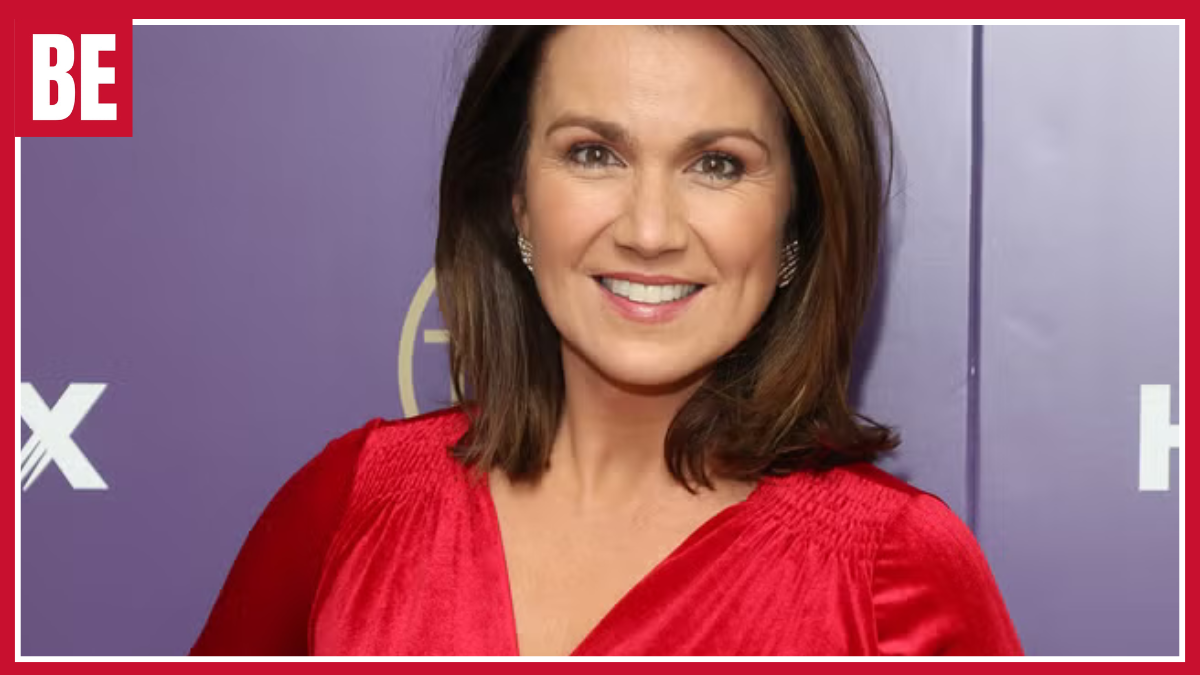
Every weekday morning, viewers across the UK switch on ITV to catch the latest news, weather updates, political interviews and lighter stories. The presenters behind the desk help shape each discussion, making serious topics easier to understand and giving the programes its familiar morning feel. Some are known for firm political questioning, while others bring warmth, humor or years of reporting experience. Because the hosting team changes throughout the week, every episode has a slightly different tone. This guide introduces the main female and male hosts, explores the wider team and looks at the programes history, strengths and continuing popularity.
Current GMB Host Line-Up and Programes Format
The principal line-up includes Susanna Reid, Kate Garraway, Ranveer Singh, Ed Balls and Richard Madeley. These broadcasters do not normally appear together because different partnerships lead the programes throughout the working week. Additional anchors may provide cover during holidays, illness, reporting assignments or other professional commitments. The rotation gives ITV enough flexibility to maintain a familiar programes without relying on one fixed partnership
Good Morning Britain combines national and international headlines with political discussions, weather forecasts, regional reports and interviews. It also covers consumer affairs, household finances, entertainment, health and personal campaigns. Unlike a short news bulletin, the programes has time to question guests and request clearer answers. This helps viewers understand not only what happened but also why the story may matter in everyday life.
The presenting partnership can affect the tone of each edition. A host with political knowledge may take a leading role during an election, government budget or major Westminster announcement. Another broadcaster may be more suitable for an emotional discussion involving health, family life or community support. Regardless of the line-up, viewers expect fair questioning, accurate information and clear explanations.
Current Female GMB Hosts
Susanna Reid, Kate Garraway and Ranveer Singh are the principal women associated with the main hosting team. Charlotte Hawkins remains a familiar member of the wider line-up, while Laura Tobin is best known for specialist weather coverage. Each broadcaster brings a different approach to live television. Their combined experience allows the programes to handle politics, breaking news, entertainment and sensitive personal stories.
Susanna Reid has been one of the most recognizable faces of the modern programes since its launch in 2014. Her style is generally prepared, controlled and persistent, especially when questioning politicians or senior public figures. She often returns to the original point when a guest provides an incomplete response. This helps prevent prepared statements from replacing the practical information viewers need.
Kate Garraway is known for a warmer and more conversational style, particularly during interviews involving health, caring responsibilities or family difficulties. Ranveer Singh brings strong political journalism and often allows guests to complete an answer before testing their evidence. Charlotte Hawkins provides experienced cover as an anchor and newsreader. Laura Tobin adds specialist knowledge by explaining forecasts, warnings and severe weather risks.
Male Hosts and Political Interviewers
Ed Balls and Richard Madeley are the main male hosts in the principal line-up. Their professional backgrounds and communication styles are noticeably different. Balls brings experience from government and economic policy, while Madeley offers several decades of television and radio broadcasting. These contrasting approaches create variety but can also change the atmosphere of the programe from one day to another.
Ed Balls previously served as an MP, government minister and Shadow Chancellor. His background can be valuable during discussions about taxation, public spending, education, employment and the economy. He may recognize when a political guest is using a favorable statistic to avoid a more difficult issue. His strongest questions connect government announcements with their effects on jobs, bills and public services.
Richard Madeley uses a more spontaneous and conversational interviewing method. He may react immediately to an unusual statement rather than following every prepared question in order. Susanna Reid and Ranveer Singh also regularly lead political interviews, while ITV News journalists provide reporting and analysis. A successful political discussion should explain costs, dates, evidence and practical consequences rather than creating conflict only for entertainment.
Wider Team, Presenter Chemistry and Viewer Benefits
The main hosts are supported by reporters, producers, political correspondents, entertainment journalists and regional teams. Specialist contributors may also provide knowledge about weather, health, finance, consumer rights or legal issues. No general broadcaster can be an expert in every subject covered during a long morning programes. Specialists explain the technical details, while the hosts ask straightforward questions on behalf of the audience.
Presenter chemistry is equally important because two hosts must work together without constantly interrupting or repeating each other. One may focus on official figures and government claims, while the other explores how the story affects families or communities. During breaking news, both presenters must also listen to instructions from the production team. Strong partnerships make these complicated changes appear calm and natural on screen.
Viewers use the programes for several practical reasons. Some watch for overnight headlines, weather warnings or travel disruption before leaving home. Others follow political announcements, interest-rate changes, household costs or public-service decisions. Its main benefit is convenience because news, interviews, weather and entertainment appear within one programes. People can watch briefly for a quick update or remain longer for a detailed discussion.
Original Good Morning Britain Team in the 1980s
The original programmes was part of TV-am and began in February 1983. It was separate from the modern ITV production launched in 2014. Its founding group became known as the “Famous Five” and included David Frost, Anna Ford, Angela Rippon, Michael Parkinson and Robert Ke. They were respected broadcasters chosen to bring serious journalism and major interviews to breakfast television.
The early format struggled to attract the expected audience, so TV-am changed its tone and presenting arrangements. Anne Diamond and Nick Owen later became one of the best-known partnerships from that period. Their warmer and less formal approach made the programes feel more welcoming to families. Lifestyle features, entertainment, weather reports and children’s content gradually became a larger part of the schedule.
TV-Am’s breakfast service ended when the broadcaster lost its ITV franchise in 1992. GMTV replaced it in 1993, followed by Daybreak in 2010. ITV revived the Good Morning Britain title in April 2014 with a different team and modern production format. The current version therefore shares the name and breakfast tradition but is not a continuous production from the 1980s.
Good Morning Britain and This Morning: Main Differences
Good Morning Britain and This Morning are separate ITV programe with different formats and audiences. Good Morning Britain airs earlier and focuses mainly on news, politics, weather and live reports. This Morning follows later and includes more lifestyle content, celebrity interviews, health advice, cooking and entertainment.
The main differences include:
- Broadcast time: Good Morning Britain airs earlier, while This Morning follows later.
- Main focus: GMB centers on news and current affairs, while This Morning covers lifestyle and entertainment.
- Interview style: GMB interviews are often shorter and more direct, while This Morning usually offers longer conversations.
- Regular hosts: GMB features Susanna Reid, Kate Garraway, Ranveer Singh, Ed Balls and Richard Madeley, while This Morning is associated with Ben Shephard, Cat Deeley, Alison Hammond and Dermot O’Leary.
- Viewer purpose: GMB suits people seeking morning headlines, while This Morning is better for lifestyle tips and relaxed daytime viewing.
Both programes cover serious and lighter topics, but they approach them differently. Good Morning Britain is more suitable for viewers interested in breaking news and political interviews, while This Morning offers a broader mix of entertainment, practical advice and personal stories.
Benefits, Pros and Cons, and Is It Worth Watching?
One of the programe’s greatest strengths is the range of subjects it covers. Viewers can receive news, weather, political analysis, consumer advice and entertainment without changing channels. The live format also allows reporters and experts to respond quickly when an important event develops overnight. This can be especially useful during elections, emergencies, severe weather or major government announcements.
The rotating line-up provides different interviewing styles and areas of experience. A former politician may improve a policy discussion, while an experienced journalist may be better during breaking news. However, rotation can also create inconsistency because viewers may enjoy one partnership more than another. Studio debates may become difficult to follow when several guests speak at the same time.
The programe is worth watching for people who want a broad and accessible morning update. It introduces important political, financial and social issues in language that is usually easy to understand. However, it should not be the only source used for complex medical, legal or financial decisions. Its greatest value comes when hosts challenge weak claims, explain practical consequences and keep personality from overshadowing evidence.
Also Read. SS Great Britain Bristol Visitor Guide History Photos Facts and Travel Tips
Frequently Asked Questions
Who are the current presenters of Good Morning Britain?
The main hosts include Susanna Reid, Kate Garraway, Ranveer Singh, Ed Balls and Richard Madeley. Other broadcasters may appear as guest or relief presenters.
Who are the presenters for Good Morning Britain in 2026?
The principal 2026 line-up includes the same five regular hosts. The daily partnership may change depending on scheduling and presenter availability.
Who is presenting Good Morning Britain today?
The presenting pair changes throughout the working week. Viewers should check the latest programe details to confirm who is hosting that morning.
Which presenters are leaving Good Morning Britain?
No permanent departure should be assumed without an official ITV announcement. Holidays and temporary absences do not always mean a presenter is leaving.
Who are the main female and male presenters?
Susanna Reid, Kate Garraway and Ranveer Singh are the main female hosts. Ed Balls and Richard Madeley are the principal male presenters.
Conclusion
The Good Morning Britain presenters are a big part of what makes the programe feel familiar each morning. Susanna Reid, Kate Garraway, Ranveer Singh, Ed Balls and Richard Madeley all bring their own style, whether they are questioning politicians, covering breaking news or speaking to guests about personal stories. The wider team also adds useful support through weather updates, reports and expert advice. While some viewers may prefer certain presenters more than others, the changing line-up keeps the show fresh. Overall, it remains a useful choice for people who want news, interviews and lighter stories in one place.

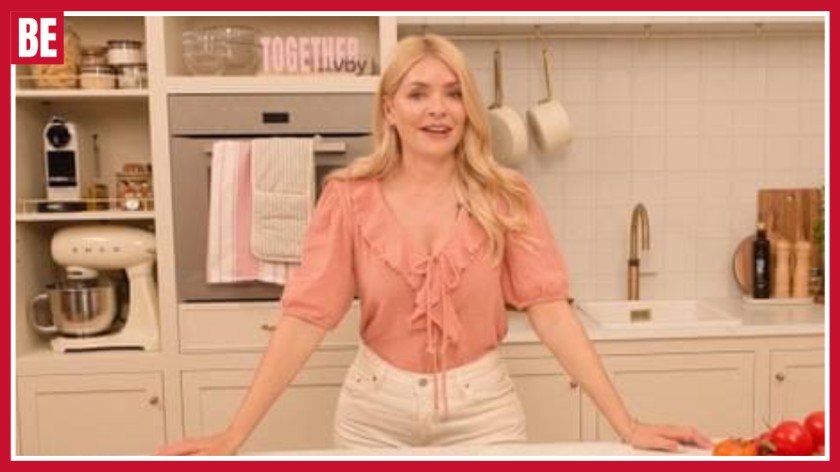
For more than two decades, Holly Willoughby has been a familiar face on British television, winning over viewers with her warm and down-to-earth style. From children’s TV and entertainment programmes to This Morning and Dancing on Ice, she has built a career that many viewers have followed for years. After leaving This Morning in 2023, she took time to explore life away from daily television. In 2026, she began a fresh chapter with Holly Willoughby Together, a lifestyle series covering fashion, beauty, cooking, health and conversations with guests. Alongside work, her family remains an important part of her life.
Holly Willoughby: Early Life and Rise to Fame
Born on 10 February 1981, she grew up in Brighton. Her first steps into showbusiness came through modelling. She appeared in magazines and advertising campaigns while she was young. These early jobs gave her useful experience in front of cameras. Television soon became her main career goal. Her first major television work came through children’s programmes, including Ministry of Mayhem. The show helped her gain live television experience and reach a young audience.
Her move into mainstream entertainment happened step by step. She took on larger presenting roles and appeared on several popular programmes. Her relaxed style worked well with different audiences. She also learned how to handle live interviews and unexpected moments. This experience helped prepare her for bigger television roles. Over time, she became a regular face on major British programmes.
Holly Willoughby’s Television Career
One of the biggest parts of her career came through This Morning. She joined the ITV programme and became one of its main presenters. She spent 14 years on the show before leaving in October 2023. During that time, she covered celebrity interviews, lifestyle stories, family issues and serious news topics. She also became closely linked with Dancing on Ice. Other television credits include The Xtra Factor, Surprise Surprise and You Bet!. ITV described her as an important part of This Morning when she announced her departure.
Leaving This Morning marked a major change in her career. She later continued with other television projects, but her regular daytime role had ended. Her career has since moved towards different types of entertainment. In 2026, she launched a new YouTube project, giving her another way to connect with viewers.
Holly Willoughby Husband and Family Life
Dan Baldwin has been her husband since 2007. The couple met in 2004 while working on Ministry of Mayhem. Baldwin works as a television producer and is linked to Hungry Bear Media. They have three children: Harry, Belle and Chester. In 2026, they were aged 17, 15 and 11. The family has entered a new stage as the older children become teenagers. Their use of online media also helped inspire some ideas behind her new digital project.
In August 2026, the couple celebrated their 19th wedding anniversary. She marked the occasion with a photograph of herself and Baldwin. Their long marriage remains an important part of her personal story. She generally keeps many family details private, while sharing selected moments with the public.
Some key family facts are:
- She married Dan Baldwin in 2007.
- The couple met while working on Ministry of Mayhem.
- They have three children.
- Their children are Harry, Belle and Chester.
- Baldwin works as a television producer.
- The couple celebrated 19 years of marriage in 2026.
Holly Willoughby and Phillip Schofield
The television partnership between Holly Willoughby and Phillip Schofield became well known during their years on This Morning. They presented the programme together for many years. Their work included celebrity interviews, entertainment, lifestyle subjects and serious discussions. Their partnership became a familiar part of ITV daytime television.
The professional relationship changed in 2023. Schofield left ITV after admitting to an affair with a younger male colleague, which he described as “unwise, but not illegal”. Willoughby then announced her departure from This Morning after 14 years. Recent reports focus mainly on their former work together. There is limited reliable public information about their current private relationship.
Holly Willoughby in 2026: What Is She Doing Now?
In July 2026, she launched Holly Willoughby Together on YouTube. The lifestyle series gives her a new way to work outside the traditional daytime television schedule. The programme covers fashion, beauty, cooking, showbusiness and real-life stories. Stanley Tucci was the first guest, while later episodes included names such as Katherine Ryan. The show was produced with Hungry Bear Media, which is linked to her husband Dan Baldwin.
The series uses several parts, including conversations, cooking, fashion and beauty content, practical advice and celebrity features. Two episodes are released each week. The move also reflects how television personalities can now build audiences through online platforms. ITV director of television Kevin Lygo said in August 2026 that ITV would consider airing the YouTube series, showing that the project has also attracted attention from traditional television.
Holly Willoughby Age, Net Worth and Career Achievements
She is 45 years old in 2026. Her career now covers modelling, children’s television, entertainment, daytime broadcasting and digital media. Her work on This Morning lasted 14 years, while Dancing on Ice became another major part of her television career. She has also presented several entertainment and lifestyle programmes. This wide experience has helped her move between different types of television.
Net worth figures should be treated carefully because personal finances are private. Media reports have previously estimated her wealth at around £10 million, but there is no verified public figure for her current net worth. Her latest digital project adds another area to her career and gives her a new way to use her presenting experience. The move also shows how established television presenters can explore online platforms.
- Also Read. Winter Sun Destinations 20 Best Warm Places
(FAQs)
What’s going on with Holly Willoughby?
She has moved into a new digital chapter with Holly Willoughby Together after leaving This Morning in 2023.The series covers lifestyle topics including fashion, beauty, cooking, health and celebrity interviews.
Is Holly still with her husband?
Yes, she is still married to television producer Dan Baldwin, and they have three children together.The couple celebrated their 19th wedding anniversary in August 2026.
Are Phillip Schofield and Holly still friends?
Their current personal relationship has not been clearly confirmed in recent reliable reporting.
They were previously close friends and long-time This Morning co-hosts before their relationship changed after the 2023 controversy.
Is Holly Willoughby a millionaire?
Media reports have previously estimated her wealth at around £10 million, although this is not an independently verified current figure.Her television career, presenting work and commercial projects have been major sources of income.
What is Holly Willoughby doing now?
She is currently focused on Holly Willoughby Together, her digital lifestyle and entertainment project.The show features celebrity guests alongside content about fashion, food, beauty and everyday life.
Conclusion
Holly Willoughby’s journey has been much more than a successful television career. Over the years, she has grown from a young presenter into one of Britain’s most recognisable broadcasters, while balancing work with family life. Her marriage to Dan Baldwin and their three children have remained important parts of her story. In 2026, her move into digital content with Holly Willoughby Together has opened an exciting new chapter, allowing her to connect with audiences in a more relaxed way. Her career continues to change, but her friendly style and connection with viewers remain central to her appeal.
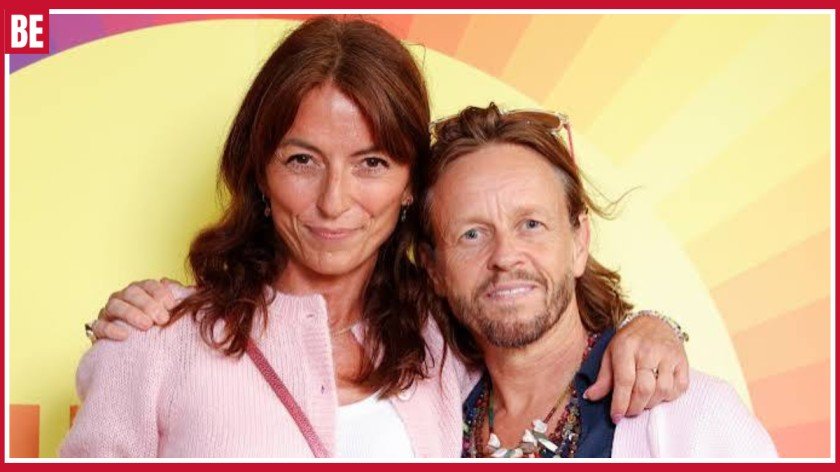
Davina McCall is one of the best-known faces on British television, but people are often just as curious about her life away from the screen. Her relationship with Michael Douglas has attracted plenty of interest, especially since their wedding in December 2025. What makes their story particularly interesting is that they knew each other for years before their friendship became a romance. Their connection began through Big Brother, where Douglas worked as a hairdresser. In this article, we look at their relationship, age difference, wedding, McCall’s three children and her previous marriage, while focusing on the details that have been publicly confirmed.
Who Is Michael Douglas and How Did He Meet Davina McCall?
Michael Douglas is a British celebrity hairdresser and entrepreneur who has built a career in professional hairstyling and fashion. He has worked with celebrities, appeared around major fashion events and developed business interests connected with the hair industry. His career includes work beyond ordinary salon styling, giving him his own professional profile before his relationship with McCall became widely known. For people searching for “Michael Douglas hairdresser”, it is important to remember that this is the British stylist rather than the American actor who has the same name.
Douglas met McCall through her work on Big Brother. He was involved professionally as her hairstylist, meaning their first connection was based on her television career rather than a romantic introduction. Over the years, their professional relationship became a strong friendship. Reports have described them as having known each other for many years before they became romantically involved. Their families also became familiar with each other, creating a wider connection that existed long before their eventual marriage.
The length of their friendship is one of the most important details in understanding their relationship. Douglas was not someone who suddenly appeared in McCall’s life after her divorce. They already understood each other’s personalities, careers and family circumstances. They also worked together on the Making The Cut podcast, giving them another professional project to share. Their story therefore moved through several stages, from colleagues and friends to romantic partners, engaged couple and eventually husband and wife.
Davina McCall Age, Partner Age Difference and Relationship Timeline
Davina McCall was born on 16 October 1967 and turned 58 in October 2025. She remains 58 until her next birthday in October 2026. Her television career has covered entertainment, reality programmes, documentaries and factual series, making her one of the most recognisable presenters of her generation. Her age is often searched alongside information about her husband because there is a noticeable age difference between McCall and Douglas. However, published reports have not always agreed on Douglas’s exact age.
McCall is older than Douglas, but the precise age gap should be treated carefully because different publications have reported different ages for him. One Standard report published in January 2026 described Douglas as 52, while another report from December 2025 gave his age as 49. This means an exact figure should not be presented as completely certain. What is clear is that McCall is the older partner, while their age difference has not stopped them from maintaining a long-term relationship.
Their relationship timeline began in the early 2000s through Big Brother. Their friendship continued for many years before becoming romantic after McCall’s marriage to Matthew Robertson ended in 2017. They later worked together professionally and remained relatively private about their relationship. In September 2025, their engagement was confirmed after Douglas proposed in Ibiza. Only a few months later, they married on 5 December 2025, completing a relationship that had developed gradually over many years.
Davina McCall Children and Her Family Life
Family has always been an important part of Davina McCall’s life. She has three children from her marriage to Matthew Robertson: Holly, Tilly and Chester. Although McCall is a familiar face on television, she has generally tried to give her children space to grow up away from constant public attention. Over the years, she has occasionally spoken about motherhood and the changing relationship.
she has with her children as they have become adults:
- Holly: McCall’s eldest daughter, who has grown up largely away from the spotlight.
- Tilly: Her second daughter, who has also developed her own interests and career path.
- Chester: McCall’s youngest child and only son, who was born during her marriage to Robertson.
As her children have grown older, McCall has been able to share more about family life while still respecting their privacy. Her previous marriage ended in 2017, but she and Robertson remain connected through their children. Today, her family includes her three children and her husband, Michael Douglas, with the couple continuing to keep much of their everyday life relatively private.
Davina McCall Ex-Husband and Previous Relationships
The person most commonly associated with the search “Davina McCall ex husband” is Matthew Robertson. McCall and Robertson married in 2000 and remained together for 17 years before announcing their separation in 2017. Their marriage was an important period of McCall’s adult life and included the birth and upbringing of their three children. Even after their marriage ended, they remained connected through their family and the responsibility of raising their children.
McCall was previously married to actor Andrew Leggett before her long marriage to Robertson. That first marriage was brief, reportedly lasting only several months. Her marriage to Robertson was considerably longer and became the relationship most closely associated with her family life. Understanding this earlier history is important because it places her later relationship with Douglas into context. Douglas became romantically involved with McCall after the end of her second marriage rather than immediately replacing a relationship that was still continuing.
McCall and Douglas had already been friends for years before their romance began. This meant their relationship developed from an established connection rather than from a completely new meeting. Older articles may therefore describe Douglas as McCall’s hairdresser or friend, while later reports identify him as her husband. The different descriptions reflect different stages of their relationship. Looking at the dates helps explain why apparently different descriptions can all relate to the same person and the same long-running relationship.
Davina McCall Wedding: Engagement, Ceremony and Marriage to Michael Douglas
The couple’s wedding took place on 5 December 2025, following their engagement in Ibiza earlier that year. Reports described the ceremony as intimate, with close family and friends rather than a large celebrity gathering. The relatively small scale of the event suited the couple’s approach to privacy and meant that an important personal occasion remained largely focused on people close to them. The wedding came after several years of romantic partnership rather than at the beginning of a new relationship.
Douglas proposed in Ibiza during 2025, with reports describing the proposal as taking place during a walk near one of their favourite beaches. The engagement was confirmed publicly in September, and the couple married only around three months later. McCall later shared some additional details about the wedding and described the occasion positively. The Standard reported that the ceremony involved only 11 guests, highlighting just how private the main celebration was.
The wedding also contained personal references to McCall’s television career. Reports about her ring noted its Big Brother-inspired design, linking the marriage with the programme through which McCall and Douglas originally met. Published reports have differed slightly over the exact setting of the celebrations, so the safest confirmed details are the wedding date, the intimate nature of the ceremony and the presence of close family and friends. The marriage formally marked the latest stage of a relationship that had begun with professional contact and developed through years of friendship.
Michael Douglas, Their Life Together and Why People Search for Their Relationship
One of the most distinctive aspects of McCall and Douglas’s relationship is how long they knew one another before becoming a couple. Douglas worked on McCall’s hair during her Big Brother years, giving them repeated professional contact. Over time, that working relationship became a friendship that continued outside television studios. By the time their romance developed, they already had considerable knowledge of each other’s personalities, careers and wider social circles. This makes their relationship different from a celebrity romance that begins after a single public meeting.
Their professional lives have also overlapped in several ways. McCall has built a long career in television, while Douglas has developed his own career in hairdressing, fashion and related business interests. Their Making The Cut podcast gave them an opportunity to work together and share recommendations and conversations with listeners. At the same time, Douglas has continued to maintain his own professional identity. His career is therefore not simply a result of his relationship with McCall; he had already established himself in the hair and fashion industries.
Privacy has remained another important part of their relationship. Although the couple have shared major milestones such as their engagement and wedding, they have not made every detail of their everyday life public. That explains why some online searches produce limited or conflicting information. The most reliable timeline shows that they met through Big Brother, became friends, later became a couple, got engaged in Ibiza and married in December 2025. Their story continues to attract interest because it combines a long friendship, professional connection, family life and a private approach to marriage.
- Also Read. Peter Phillips Career and Personal Life
(FAQs)
Who is Davina McCall’s new partner?
Davina McCall is married to Michael Douglas, a British celebrity hairdresser.They developed a relationship after years of friendship and married in December 2025.
Why did Davina and her husband split up?
Davina McCall and Matthew Robertson separated in 2017 after 17 years of marriage.They remain connected through their three children.
Are Michael Douglas and Davina McCall together?
Yes, Davina McCall and Michael Douglas are married.They tied the knot on 5 December 2025 after several years together.
How old is hairdresser Michael Douglas?
Published reports give different ages for Michael Douglas.A recent report described him as 52, so his exact age should be treated cautiously.
How many children does Davina McCall have?
Davina McCall has three children: Holly, Tilly and Chester.She shares them with her former husband, Matthew Robertson.
Conclusion
Davina McCall and Michael Douglas have a relationship story that feels rooted in years of friendship, trust and shared experiences. They first knew each other through Big Brother, but their connection eventually grew into something much deeper. After McCall’s previous marriage ended, the couple began a romantic relationship and later became engaged before marrying in December 2025. McCall is also a mother of three and has spoken publicly about different stages of her personal life. While fans remain interested in the couple, they have kept many everyday details private. Their journey shows how a long friendship can sometimes develop naturally into a lasting partnership.
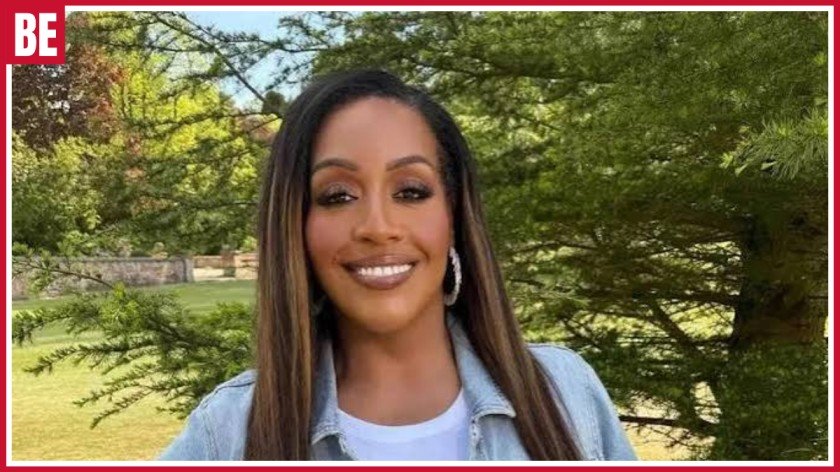
Alison Hammond story is one of those television journeys that shows how quickly a small opportunity can change someone’s life. After first gaining attention on Big Brother, she went on to become a familiar and much-loved face on This Morning. Over the years, her cheerful personality and natural sense of humour have helped her connect with viewers and some of the biggest names in entertainment. From memorable interviews with Harrison Ford and Ryan Gosling to her role on The Great British Bake Off, her career has continued to grow. Today, people are interested in her books, family, weight loss, career and life away from television.
Early Life, Big Brother and the Start of Her Television Career
Alison Hammond was born on 5 February 1975 in Birmingham. Her connection with television began much earlier than many viewers realise, because she appeared on television as a child. ITV reports that she appeared in the television film Artemis ’81 when she was six years old, alongside Sting, her mother Maria and her older brother Nicky. Although that early appearance did not immediately lead to a television career, it gave her some experience of the industry. She later grew up in Birmingham and developed interests that eventually led her towards entertainment and presenting. Her background has remained an important part of the story surrounding her rise to national recognition.
Her major breakthrough arrived in 2002 when she entered the third series of Big Brother. She spent 15 days inside the house and became the second housemate to be evicted. Although she did not remain in the programme for a long period, viewers quickly noticed her energetic personality and sense of humour. Reality television gave her an opportunity to reach a large national audience at a time when Big Brother was one of the UK’s most talked-about programmes. Her appearance became the starting point for a very different career from that of a typical reality contestant. Instead of disappearing from television after the programme, she used the exposure to pursue further opportunities in broadcasting.
Her connection with This Morning began only two weeks after leaving the Big Brother house. ITV explains that she initially joined the programme for a three-month period as a showbiz reporter, with her first appearance taking place on 31 January 2003. What was intended as a temporary opportunity eventually developed into a much longer relationship with the programme. She became increasingly involved in celebrity interviews, entertainment features and studio presenting. The progression demonstrated that her Big Brother appearance was not simply a short-lived reality television moment. It became the first major step towards a career that would later include some of Britain’s biggest entertainment programmes.
This Morning, Celebrity Interviews and the Harrison Ford Connection
Much of her television reputation has been built through This Morning, particularly her celebrity interviews. Her style is generally informal, enthusiastic and conversational rather than highly formal. ITV has described her as a go-to celebrity interviewer and has highlighted conversations with stars including Britney Spears, John Legend and Harrison Ford. Her ability to make interviews feel relaxed can create unexpected exchanges that work well both on television and online. This has become an important part of her professional identity because viewers often remember her personality as much as the promotional information being discussed.
One of her most memorable celebrity interviews came in 2017 when she spoke to Harrison Ford and Ryan Gosling while they were promoting Blade Runner 2049. The interview became widely shared because of its playful atmosphere and the interaction between the presenter and the two actors. ITV has continued to highlight the interview as one of her standout moments, and its online audience has grown considerably over the years. ITV’s current programme statistics have listed the Harrison Ford and Hammond interview among its most-watched This Morning videos, with more than 20 million YouTube views.
The Harrison Ford conversation also illustrates why her interview technique has become so recognisable. Instead of treating celebrity interviews as strictly scripted exchanges, she often allows humour and spontaneous reactions to shape the discussion. Similar moments have occurred during interviews with other major stars, including Dwayne Johnson, who once interrupted an interview to congratulate her after a playful television storyline involving the pair. These encounters have helped turn individual interviews into memorable pieces of entertainment that continue to circulate online. Her celebrity work has therefore become an important part of her career rather than simply an additional feature of daytime television.
Books, Writing and The Great British Bake Off
Her career has also expanded beyond television into publishing. Her debut novel Bombshell was published by Penguin and follows Madison, a woman whose life changes after her husband announces that he is moving out. The story explores relationships, friendship, confidence and personal reinvention. Rather than being a straightforward celebrity memoir, the book is fiction and allows readers to experience a different side of her creative work. The publication demonstrates how her public career has expanded from presenting and interviewing into storytelling and commercial publishing.
She has also been associated with other books, including You’ve Got to Laugh and Black in Time. These projects show a broader range of interests than entertainment alone. Black in Time, co-authored with E. L. Norry, explores Black British history and provides an educational dimension to her publishing work. Her writing career is therefore not limited to one type of book or audience. Readers interested in her work can find a mixture of personal storytelling, fiction and historical material connected with her name and public interests.
Another major career development came in 2023 when she was announced as a new co-host of The Great British Bake Off. She joined Noel Fielding after Matt Lucas left the presenting team. The role placed her in a completely different television environment from This Morning. Instead of mainly interviewing celebrities, she became part of a competition involving amateur bakers, judges, technical challenges and weekly eliminations. The move demonstrated her ability to transfer her personality and presenting skills into another major television format.
The Great British Bake Off and Her Television Work Today
Her role on The Great British Bake Off became an established part of her career. In 2026, Channel 4 confirmed that she and Noel Fielding returned as hosts for series 17. The series features 12 new bakers, while Paul Hollywood and Nigella Lawson serve as judges. Her role involves welcoming contestants, supporting them during difficult challenges and helping maintain the entertainment value of the programme. This is different from her work on This Morning, but it still relies heavily on communication, humour and the ability to respond naturally to unexpected moments.
The Bake Off role has also expanded her connection with viewers who may know her primarily from food and entertainment television. She has appeared in celebrity editions of the programme as well as the main series. Channel 4 has continued to feature her alongside Noel Fielding in its 2026 programming announcements. Her return demonstrates that she has become an established part of the presenting team rather than simply a temporary replacement. The combination of baking challenges, contestant stories and presenter humour provides a different setting in which her personality can develop.
Her wider television portfolio remains varied. Penguin Random House’s author profile lists work connected with This Morning, The Great British Bake Off, The Great Stand Up to Cancer Bake Off, Rob Beckett’s Smart TV and For the Love of Dogs. She also became the presenter of For the Love of Dogs following the death of its much-loved former presenter Paul O’Grady. The programme provides another opportunity for her to combine entertainment with emotional storytelling. Her career today therefore spans daytime television, reality entertainment, baking, celebrity interviews, factual programming and animal-focused television.
Husband, Family, Relationships and Personal Life
Questions about her husband and relationships frequently appear in online searches, but reliable information needs to be separated from speculation. She has one son, Aidan, and motherhood has been an important part of her life. Profiles and interviews have regularly discussed her relationship with her son and the challenges of balancing family life with a demanding television career. Because celebrity relationship information can change and online biography websites often repeat unverified claims, it is better to rely on statements from Hammond herself or reputable publications when discussing her private life. This approach avoids turning rumours into supposed facts.
Her family background has also been explored through television. During an ITV DNA Journey programme with Kate Garraway, she travelled to Jamaica while investigating her family history. The programme examined her Jamaican ancestry and uncovered stories connected with previous generations. Her family history has therefore become part of her wider public story, particularly because it connects personal experiences with historical research. These programmes have allowed viewers to see a more reflective side of her personality away from the fast-paced environment of daytime entertainment.
Family has remained an important theme throughout her career. While much of her professional life involves celebrities, television studios and major entertainment formats, she has also spoken publicly about motherhood and her upbringing. Her Birmingham background has remained closely connected to her identity, and she has frequently discussed the people and experiences that influenced her. This combination of professional success and personal storytelling has helped audiences understand her as more than simply a television presenter. It has also contributed to the continued public interest in her life away from television.
Weight Loss, Height and Public Image
Weight loss has become one of the most searched subjects connected with her, particularly after she publicly discussed major changes to her lifestyle. In 2026, People reported that she had discussed losing around 150 pounds and had denied using Ozempic or similar weight-loss drugs. She attributed her transformation to activities including Pilates, boxing, circuit training and strength training, alongside working with personal trainers. These comments describe her personal experience and should not be treated as medical advice or as a standard approach that applies to everyone.
Her comments have also focused on how she feels rather than simply on a number on the scales. According to the People report, she said she felt stronger and more energetic after changing her lifestyle. She also pushed back against the idea that career success should depend on body size or appearance. This distinction is useful when discussing celebrity weight changes because online conversations can become focused on photographs, measurements or speculation. Her own public explanation places more emphasis on exercise, energy and confidence.
Height is another popular search topic. Celebrity databases commonly list her at approximately 5 feet 9 inches, or around 1.75 metres. Such measurements can vary slightly between databases, so they should be treated as reported figures rather than official statistics unless confirmed directly by the individual. More importantly, physical measurements do not explain her television career. Her long-term popularity has been built primarily around communication, humour, confidence, interviewing ability and her connection with audiences.
Career, Net Worth and What She Is Doing Now
Her current career demonstrates how far she has moved beyond the programme that originally made her famous. She has remained associated with This Morning while also developing major roles in The Great British Bake Off and other television projects. Her author profile also identifies her with Rob Beckett’s Smart TV and For the Love of Dogs. This variety means that her career cannot easily be placed into a single category. Instead, she has developed a portfolio across several areas of British television, entertainment and publishing.
Some of the main areas of her professional career include:
- Television presenting: Long-running work on This Morning and other entertainment programmes.
- Celebrity interviews: Conversations with major stars, including Harrison Ford and Ryan Gosling.
- Bake Off: Co-hosting The Great British Bake Off with Noel Fielding.
- Books: Writing fiction, memoir and other published projects.
- Factual entertainment: Presenting programmes such as For the Love of Dogs.
- Celebrity specials: Taking part in entertainment and charity-focused television programmes.
The question of net worth is more difficult to answer with certainty. Numerous websites publish estimates of her wealth, but there is no single verified public financial statement establishing an exact figure. Television contracts, book income, appearances and commercial arrangements can all contribute to a celebrity’s earnings, but many of these details remain private. For that reason, an exact net-worth figure should not be presented as confirmed unless it comes from reliable financial documentation. Her broad range of professional work nevertheless demonstrates the scale and longevity of her career.
Her work in 2026 also shows continued involvement with major entertainment programmes. Channel 4 confirmed her return to The Great British Bake Off with Noel Fielding, alongside Paul Hollywood and Nigella Lawson. Meanwhile, her wider television work continues to include entertainment and factual programming. Her career has therefore developed from a short reality-TV appearance into a broad broadcasting portfolio. The range of programmes she has worked on is one of the clearest ways to understand her continuing presence in British popular culture.
Why Her Career Continues to Attract Public Interest
One reason for the continuing interest is the unusual path of her career. She entered the public eye through Big Brother, but she did not remain defined by reality television. Her early appearance led to a reporting role on This Morning, followed by years of presenting and celebrity interviews. She then expanded into other programmes, books and major entertainment formats. This progression demonstrates how television careers can develop gradually when a presenter establishes a recognisable personality and builds experience across different formats.
Her celebrity interviews provide some of the clearest examples of her distinctive approach. The Harrison Ford and Ryan Gosling conversation became especially successful because it combined well-known Hollywood actors with an informal and humorous interviewer. ITV has repeatedly highlighted the interview and its exceptionally large online audience. Other conversations with major celebrities have produced similarly memorable moments. These examples show why her interview style has become a significant part of her professional reputation rather than simply another responsibility within This Morning.
Her move into The Great British Bake Off further demonstrates her versatility. The programme requires presenters to work closely with contestants while balancing humour, emotion and the competitive structure of the show. Her continued presence in the 2026 series confirms that the role has become an important part of her television career. Alongside books and other programmes, it also shows how she has built several professional identities at once. Her story remains interesting because it combines reality television, daytime broadcasting, celebrity interviews, publishing and large-scale entertainment formats.
- Also Read. Jay Blades Career and Life Story
(FAQs)
How did Alison Hammond lose so much weight?
She has discussed lifestyle changes including Pilates, boxing, circuit training and strength exercises. She has also denied using Ozempic for her weight loss.
Who is the father of Alison Hammond’s son?
Her son Aidan’s father is Noureddine Boufaied. Hammond generally keeps details about her family and private relationships away from the public spotlight.
Is Alison Hammond a millionaire?
Online estimates suggest she has built substantial wealth through television, books and other work. However, there is no verified public figure confirming her exact net worth.
What did Harrison Ford say about Alison Hammond?
Their 2017 Blade Runner 2049 interview became a memorable television moment. The relaxed conversation with Ford and Ryan Gosling attracted millions of views online.
What is Alison Hammond doing now?
She continued her television career and returned as a co-host of The Great British Bake Off in 2026. She also remains associated with other television and publishing projects.
Conclusion
Alison Hammond’s journey is a great example of how a small opportunity can grow into a lasting career. After first appearing on Big Brother, she went on to become a familiar face on This Morning, interview some of the world’s biggest stars and take on a leading role in The Great British Bake Off. Her books, family life and personal experiences have given audiences even more reasons to follow her story. What makes her especially popular is her warmth, humour and genuine personality. After more than two decades in television, she continues to entertain viewers while taking on new opportunities.

Best Places to Visit in UK Top Destinations

Vernon Kay Biography Age Wife Career

Best Beaches in UK Top Places to Visit

-
 Uncategorized2 months ago
GB News Presenters Female Current Hosts Newsreaders and Journalists
-
 Uncategorized2 months ago
Shefali Oza Biography Age BBC Career Husband and Net Worth
-
 Uncategorized2 months ago
Rip Off Britain Presenters Ages Cast Hosts and Everything You Need to Know
-

 Things To Do2 months ago
Universal Studios Great Britain Opening Date Rides Map and Location
-
 Uncategorized2 months ago
Pride of Britain Awards How to Nominate a UK Hero
-
 Uncategorized2 months ago
Emily Campbell Weight lifting Career Olympic Medals and Life Story
-
 Uncategorized2 months ago
Great Britain at the Winter Olympics Medals Full History
-
 Things To Do2 months ago
Tour of Britain 2026 Complete Guide Route Map Stages TV and Women’s Race