
Things To Do
Ben Nevis Walking Guide and Mountain Information

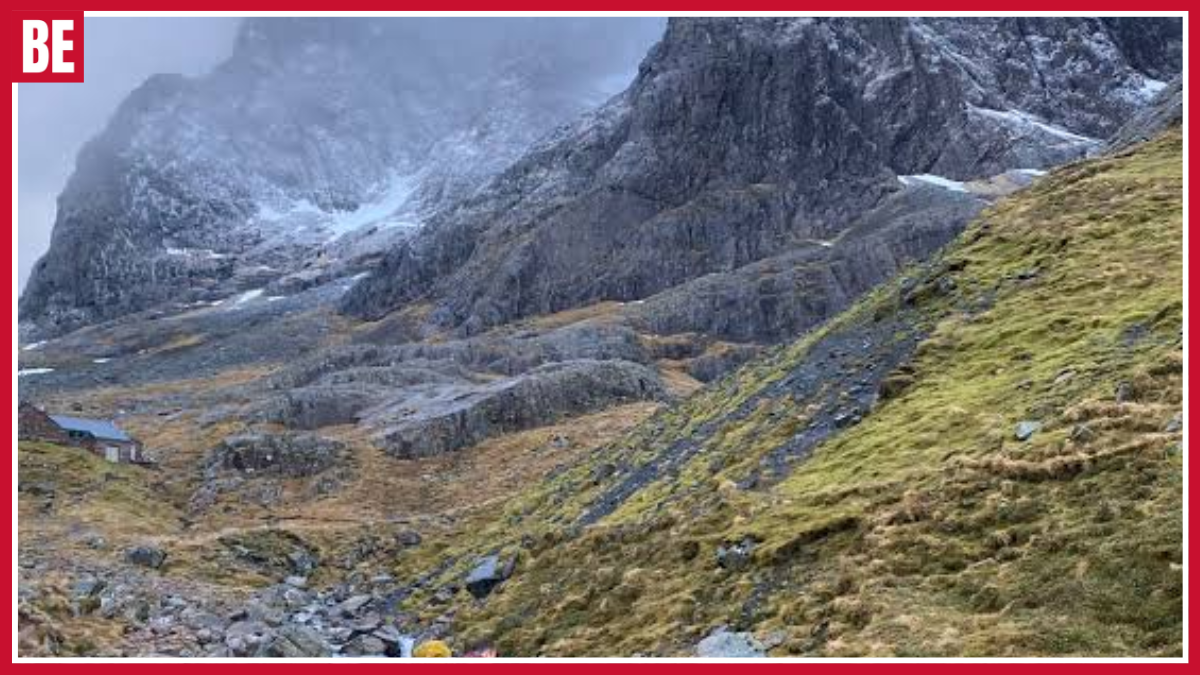
The Ben Nevis mountain is one of the most renowned mountain destinations in Scotland as well as the tallest mountain in the United Kingdom, with an elevation of 1,345 metres. With its scenic surroundings, tough walking trails and geology, the mountain attracts walkers, photographers, nature enthusiasts and tourists who visit Scotland Highlands. Additionally, tourists will be able to visit Fort William where they will find amenities such as hotels and restaurants. Tourists will also get the opportunity to visit Glen Nevis, explore the whisky connection and view mountains from nearby tourist attraction sites. But, with the varying weather and rough terrain, proper preparation is essential.
What Makes Ben Nevis Famous?
The mountain stands at 1,345 metres (4,413 feet) above sea level, making it the highest mountain in both Scotland and the United Kingdom. Its summit offers spectacular views across the surrounding Highlands when conditions are clear, although clouds can quickly cover the upper slopes. The mountain also has a fascinating history, with the ruins of an old observatory near the summit providing a reminder of early attempts to study mountain weather. Its combination of height, scenery and challenging terrain has made it a landmark for outdoor enthusiasts.
For many visitors, reaching the summit is the main attraction, but the surrounding Glen Nevis area is also worth exploring. Fort William provides accommodation, restaurants, shops and transport connections, while the glen has woodland, rivers and waterfalls. The landscape changes dramatically as you climb, moving from lower woodland and open ground towards rocky mountain terrain. This makes the journey interesting even before reaching the highest point, although walkers should remember that the route is physically demanding.
Ben Nevis Visitor Centre and Mountain Track
The main starting point for the popular Mountain Track is the Ben Nevis Visitor Centre in Glen Nevis. The centre is close to Fort William and provides a useful starting point for walkers preparing for the climb. The Mountain Track is the most commonly used route and is sometimes called the Tourist Route, although that name can make the walk sound easier than it really is. The path climbs steadily before becoming more rugged towards the upper mountain, with the final section requiring careful footing.
A typical return journey can take around seven to nine hours, depending on fitness, weather, breaks and conditions on the path. The ascent alone can take several hours, so an early start is sensible for anyone planning to reach the summit and return during daylight. Good walking boots are important because the terrain can become rocky, wet and uneven. Anyone unfamiliar with mountain walking may also benefit from joining a guided group with an experienced mountain leader.
Weather, Map and What to Take
Mountain weather can change much faster than conditions in Fort William. Sunshine at the bottom does not guarantee good conditions higher up, and the summit can experience strong winds, low temperatures, rain, mist or snow even when the lower valley feels mild. Checking a reliable mountain forecast before setting out is therefore essential. If visibility becomes poor, navigation can become difficult because familiar sections of the path may look completely different in cloud or darkness.
A detailed Ben Nevis map can help walkers understand the route, surrounding paths and potential hazards before beginning the climb. A map and compass remain valuable even for people who normally rely on a phone or GPS device. Batteries can run out, signals can vary and poor weather can make navigation more difficult. Essential items include:
- Waterproof jacket and trousers
- Warm layers, hat and gloves
- Sturdy walking boots with good grip
- Map, compass and a charged navigation device
- Head torch, even when starting during daylight
- Enough food and water for the full journey
- Whistle and basic emergency equipment
Preparation is particularly important because the descent can be tiring and may place significant strain on the legs. Walkers should leave enough time to return safely rather than focusing only on reaching the summit. If the weather deteriorates seriously, turning back can be the sensible option. Conditions near the top should always be treated as mountain conditions rather than ordinary walking weather.
Ben Nevis Whisky and Things to Do Nearby
Searches for ben nevis whisky often lead visitors to the Ben Nevis Distillery in Fort William. Established in 1825, the distillery is one of the historic whisky producers in the area and sits close to the foot of the mountain. Its location makes it an interesting stop for visitors who want to combine Highland scenery with Scottish whisky heritage. Depending on current arrangements, visitors may be able to learn more about the production process and the history of the distillery.
There is also plenty to see around Glen Nevis if you do not want to climb to the summit. The valley provides opportunities for shorter walks, photography and sightseeing, while Fort William has a range of visitor facilities. Nearby attractions include the Nevis Range, where visitors can take a mountain gondola up Aonach Mòr for panoramic Highland views. This is an important distinction because the gondola does not take passengers to the summit of the UK’s highest mountain.
Ben Nevis vs Snowdon and the Cable Car Question
The comparison between Ben Nevis vs Snowdon, now officially known as Yr Wyddfa, is common among people planning a British mountain challenge. The Scottish mountain is higher and reaches 1,345 metres, while Yr Wyddfa is lower but has several different routes and a strong visitor infrastructure. Both can provide demanding mountain experiences, and weather can have a major effect on difficulty. Choosing between them depends on the route, conditions, fitness and type of outdoor experience a visitor wants.
Another frequent search is the cable car, but there is no cable car running to the summit. The nearby Nevis Range gondola operates on Aonach Mòr, a separate mountain close to Fort William. It provides impressive views and gives visitors a way to experience Highland mountain scenery without completing the long summit walk. However, anyone wanting to stand on the highest point of the UK must reach the summit on foot using an appropriate route.
Deaths, Difficulty and Mountain Safety
Searches for ben nevis deaths highlight an important fact about the mountain: despite its popularity, it is a serious mountain environment rather than a simple tourist attraction. Fatal accidents and emergency incidents have occurred over the years, and conditions can become hazardous because of steep ground, cold temperatures, poor visibility, strong winds and rapidly changing weather. The exact historical number of deaths can vary depending on which incidents and time periods are included, so individual figures should be treated carefully.
The most important safety measure is preparation. Walkers should check the forecast, understand the route, carry suitable clothing and equipment, and make sure they have enough daylight for the return journey. Inexperienced visitors should consider a guided walk, particularly if the forecast is poor or they have limited mountain experience. It is also important not to underestimate the descent, as tiredness can increase the chance of slips and navigation mistakes.
Anyone travelling with a dog should also consider the dog’s fitness, weather conditions and ability to cope with rough mountain terrain. The route can become busy during popular periods, so walkers should be considerate of others and follow local guidance. There are no bins on the mountain, meaning visitors should take their rubbish back down with them and help protect the landscape.
(FAQs)
What is the height of Ben Nevis?
The mountain reaches 1,345 metres (4,413 feet) above sea level. It is the highest mountain in the United Kingdom.
Where is the Ben Nevis Visitor Centre?
The visitor centre is in Glen Nevis, close to Fort William. It is the main starting point for the popular Mountain Track.
How difficult is the climb?
The route is demanding and requires a reasonable level of fitness. A return journey usually takes around seven to nine hours.
What is the weather like on the mountain?
Conditions can change quickly, with rain, wind, mist and cold temperatures. Always check the mountain forecast before starting your walk.
Is there a cable car to the summit?
There is no cable car to the summit of the mountain. The nearby Nevis Range gondola operates on Aonach Mòr instead.
Conclusion
Ben Nevis presents an excellent Highland adventure for all those who wish to experience Scotland through walking in nature. The huge elevation, tough trekking routes and variable weather conditions mean that proper preparation is necessary for anyone who wishes to scale the Ben. Even more reason to pay this place a visit comes from the surrounding regions, which include the Glen Nevis region, Fort William, whisky history and other mountains in the vicinity. Whatever your level of activity and whether you complete the trek or just appreciate the natural surroundings at lower elevations, there is a lot to see for all sorts of tourists.
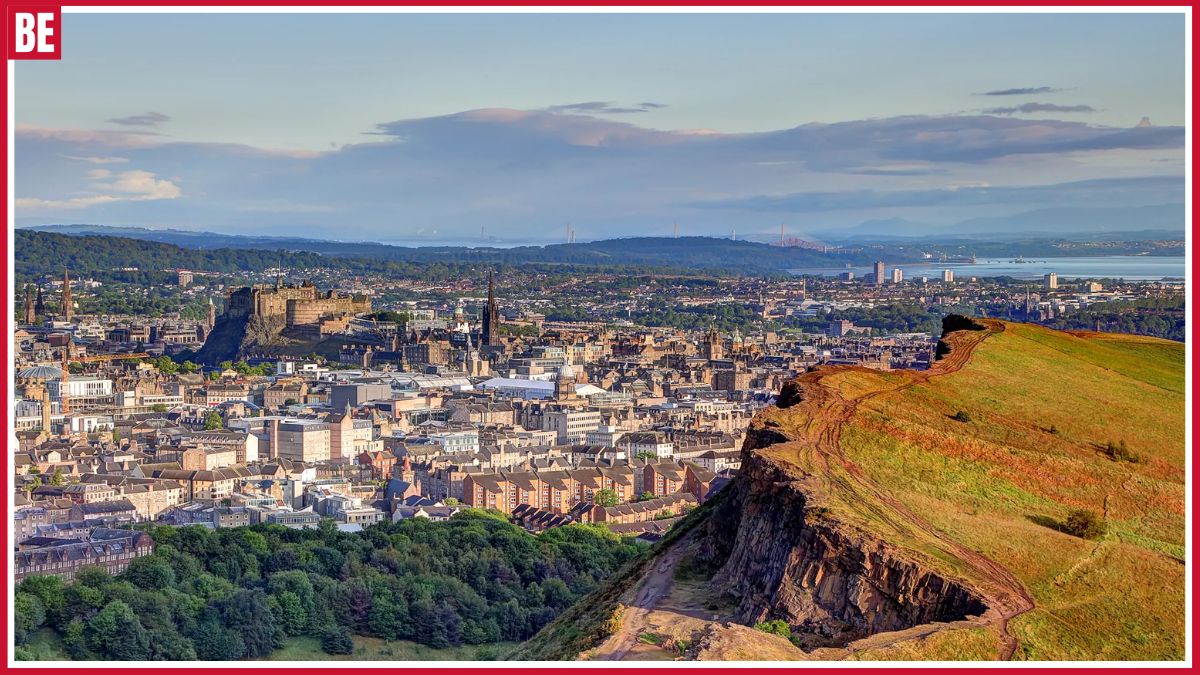
One of the famous natural attractions in Edinburgh, Arthur’s Seat is a great place to walk, take photos and explore for tourists and newcomers. Located in Holyrood Park, the old volcano hill gives incredible views of the city that include such iconic landmarks as Old Town and Edinburgh Castle. Moreover, Arthur’s Seat has a long geological history that goes back several hundreds of millions of years ago as well as evidence of centuries of presence of people there. To have a better visit, it is useful to know some information about the walking paths, meaning of the name, history, safety tips, tickets and other attractions nearby.
Why Is It Called Arthur’s Seat and Who Is Arthur?
One of the most popular questions about the landmark is why is it called Arthur’s Seat, Edinburgh? The exact origin of the name remains uncertain. The most familiar theory connects it with the legendary King Arthur and the stories associated with him. However, there is no conclusive evidence that proves the hill was directly named after the legendary ruler or that he actually used the location.
Several alternative explanations have been suggested over time. Some relate to older place names, while others attempt to explain how the English name developed from earlier descriptions of the landscape. Because the historical evidence does not provide a definite answer, the Arthurian explanation should be treated as a long-standing tradition rather than an established fact.
The name is only one part of the hill’s appeal. The landscape itself is vastly older than the legends surrounding it. Arthur’s Seat belongs to an ancient volcanic landscape formed roughly 340 million years ago. Later erosion and glacial activity shaped the rocks into the distinctive hills, cliffs and valleys visible today.
Arthur’s Seat History and Ancient Volcanic Landscape
Arthur’s Seat history begins with geological activity that took place hundreds of millions of years ago. Volcanic eruptions created rocks that later became part of the landscape around Holyrood Park. Over immense periods, erosion gradually changed the original volcanic formations, while glaciers helped carve and reshape the surrounding terrain.
Salisbury Crags are particularly important to the history of geology. During the eighteenth century, Scottish geologist James Hutton studied the rocks here. His observations contributed to the development of modern geological thinking and helped demonstrate that Earth’s landscape had been shaped by processes operating over vast periods of time.
Human history has also left important evidence throughout Holyrood Park. Archaeological remains show that people used the area thousands of years ago, while later communities farmed parts of the landscape. The park also developed connections with Scottish royalty because of its position beside the Palace of Holyroodhouse. This mixture of geology, archaeology and royal history gives the area unusual depth for a city attraction.
Arthur’s Seat Walk Route, Map and Summit Guide
An Arthur’s Seat Edinburgh walk route map can be useful because there is no single path that every visitor needs to follow. Holyrood Park contains numerous tracks and paths, allowing walkers to choose between shorter explorations and longer routes towards the summit. The route you choose will affect both the difficulty and the amount of time required.
A popular approach begins near the Holyrood area and continues towards the higher slopes, while another option approaches from the eastern side near Dunsapie Loch. Some routes are more gradual, while the final sections towards the summit can become steep and rocky. The wider park also has established walking circuits that allow visitors to explore the landscape without concentrating entirely on the summit.
The ground deserves attention throughout the walk. Paths can become muddy or slippery after rain, and rocky sections may be uneven. Strong winds can also make the exposed summit uncomfortable. Wear footwear with good grip, take your time and follow current signs. Visitors should not rely entirely on older online maps because temporary closures can change which paths are available.
Arthur’s Seat Fire, Current Information and Safety
Searches for Arthur’s Seat Edinburgh fire can refer to grassland fires that have occurred in and around Holyrood Park. The combination of dry vegetation, warm weather and strong winds can increase the risk of fire across open grassland. Such incidents can damage vegetation and wildlife habitats while also creating hazards for visitors and emergency crews.
If you are searching for Arthur’s Seat Edinburgh fire today, it is important to check current information rather than assuming that an older report describes the present situation. Fire incidents can be contained, extinguished or restricted to particular areas, while access arrangements may change afterwards. Official emergency-service announcements and current park notices are the most reliable way to establish whether there is an active incident or closure.
Even without a fire, normal hill safety remains important. The terrain includes steep slopes, uneven paths and exposed areas. Visitors should keep away from dangerous edges, respect barriers and temporary closures, and avoid taking unnecessary risks for photographs. During dry weather, responsible visitors should also avoid activities that could start a grass fire and take care not to leave rubbish or other materials behind.
Tickets and Things to Do Around the Park
When people search for Arthur’s Seat Edinburgh tickets, they often assume that the hill operates like a paid tourist attraction. It does not require a standard admission ticket. Holyrood Park is free to visit, which makes the hill an attractive option for travellers who want a memorable Edinburgh experience without paying an entrance fee.
There are plenty of Arthur’s Seat Edinburgh things to do besides climbing to the highest point. Salisbury Crags provides another dramatic part of the landscape, while St Anthony’s Chapel offers atmospheric medieval ruins. St Margaret’s Loch and Dunsapie Loch provide quieter scenery, and the park’s open areas are useful for photography, walking and enjoying views away from the busy city centre.
Popular activities include:
- Walking towards the summit and enjoying panoramic views
- Exploring Salisbury Crags
- Photographing Edinburgh Castle and the Old Town
- Visiting the ruins of St Anthony’s Chapel
- Walking beside St Margaret’s Loch
- Exploring Dunsapie Loch and the eastern side of the park
- Learning about the area’s volcanic geology
- Combining the park with the Royal Mile and Palace of Holyroodhouse
Because the park is close to central Edinburgh, visitors can easily combine an outdoor walk with historic sightseeing. This makes it particularly useful for travellers with limited time who want to experience both Edinburgh’s built heritage and its natural landscape.
Is Arthur’s Seat Worth Visiting?
For visitors who enjoy walking, scenery and history, the hill is a memorable part of an Edinburgh trip. Its greatest strength is the contrast between the rugged volcanic landscape and the busy city surrounding it. Within a relatively short distance, you can move from historic streets and buildings into open grassland, rocky slopes and elevated viewpoints.
The experience is also flexible. Experienced walkers can make the summit the main goal, while families and casual visitors can explore easier parts of Holyrood Park. You do not have to reach the highest point to appreciate the landscape. The crags, lochs, historic ruins and lower paths provide plenty of reasons to spend time in the area.
There are some drawbacks. Rain can make paths slippery, and exposed sections can feel challenging in strong winds. Visitors with mobility limitations may also find the summit routes unsuitable. However, the wider park offers alternatives, so planning a route around the weather and your own ability can make the visit more enjoyable.
The attraction is especially worthwhile when combined with other Edinburgh sights. A walk through Holyrood Park can fit naturally alongside the Royal Mile, Palace of Holyroodhouse and Old Town. For travellers who want something beyond museums and historic buildings, this ancient landscape provides a memorable outdoor perspective of the capital.
Frequently Asked Questions
1. Why is it called Arthur’s Seat?
The name is often linked to the legendary King Arthur, although its exact origin remains uncertain. No confirmed historical evidence proves a direct connection between Arthur and the hill.
2. Who is Arthur in Arthur’s Seat?
Arthur is generally believed to refer to King Arthur from British legends and medieval stories. However, historians have not confirmed that he had any direct connection with the hill.
3. How difficult is the walk to the summit?
The climb can be moderately challenging because some paths are steep, rocky and uneven. Good footwear and suitable clothing are recommended, particularly after wet weather.
4. Is there an Arthur’s Seat Edinburgh walk route map?
Several routes lead to the summit through Holyrood Park, with different levels of difficulty. A current walking map can help visitors choose a suitable route before setting off.
5. Do you need tickets to visit the hill?
No, visitors generally do not need tickets to access the hill or Holyrood Park. Check for temporary closures or safety restrictions before starting your walk.
Conclusion
Arthur’s Seat is one of those places which provide a truly unique opportunity to see the city from another point of view. Its volcanic past, historical background, magnificent views and surroundings mean that it is much more than just somewhere to take a walk. Tourists have two options when visiting – one can either climb its summit or take a leisurely walk in Holyrood Park. What is more, the connection of the hill with the legendary King Arthur makes it even more interesting, as well as the nearby Salisbury Crags, historical monuments and serene lochs. If a person is equipped properly and informed about all necessary details, a trip to the hill will be an unforgettable adventure.

The Graham Norton Show is one of the most well-known chat shows on UK television featuring some of the biggest names in movies, music, comedy and more for interesting chats and fun encounters. Graham Norton hosts this show which is known for its easy-going nature, funny interviews and bizarre celebrity pairings. Launched in 2007, this show has gained a lot of fans over the years and has been a hit on British television. Here’s a guide to the episodes of The Graham Norton, celebrities appearing on the show, tickets, stream, schedule and recent updates in 2026.
Graham Norton Show Episodes, Guests, Format and Entertainment Value
The programme has a simple format that viewers can easily follow. Graham Norton welcomes several guests to the sofa. They then take part in one shared conversation. This is different from a show with separate interviews for every guest. Guests can respond to each other and share their own stories. This often creates funny and natural moments.
The programme has welcomed many famous people from the UK and around the world. Guests can include film stars, television personalities, musicians, comedians, writers and other public figures. A guest may talk about a new film, TV show, book or music project. The mix of guests helps make each episode different and gives viewers several reasons to watch.
Guests often include:
- Film and television actors
- Musicians and singers
- Comedians
- Television presenters
- Writers and authors
- Sports personalities
- Theatre performers
- Other public figures
The show is not only about interviews. It also includes comedy, music and audience moments. One of its best-known features is the Red Chair. Members of the audience can tell a story while sitting in the famous chair. Music performances also add variety and give singers and bands a chance to perform for viewers.
Graham Norton Show Tickets, Studio Audience Experience and How to Attend
Watching the programme at home is not the only way to enjoy it. Some fans want to see a recording in person. A live studio audience helps create the energy heard during the broadcast. Audience members can laugh, clap and react to the guests. A studio recording can also include moments that do not appear in the final edited episode.
Tickets can be limited, and recording dates can change. Anyone hoping to attend should check the latest ticket information before making plans. It is also important to check the recording location, arrival time and audience rules. A television recording may take place before the episode is shown on TV, so the studio audience can sometimes see the programme before viewers at home.
Graham Norton Show Streaming, Full Episodes, TV Time and Weekly Schedule
Streaming has made it easier to catch up with missed episodes. In the UK, available episodes can be watched through BBC iPlayer. Some episodes may also appear on other licensed streaming services. The exact options can change over time, so viewers should check the current availability for the episode or series they want to watch.
Many people search for the programme using terms linked to episodes, streaming and television times. Someone searching for the show tonight may want the latest broadcast information. Another viewer may want a full episode from an older series. The programme has often been linked with Friday-night entertainment, but TV schedules can change because of seasonal programmes and other BBC broadcasts.
Graham Norton Show Benefits, Pros and Cons and Why People Choose It
One major benefit is the number of guests in each episode. Viewers can see several famous people in one programme. This makes the show appealing to people who enjoy films, television, music and comedy. The group sofa also creates natural conversations because guests can respond to each other instead of speaking only to the host.
The relaxed format is another reason people enjoy the programme. Viewers do not need to know every guest before watching. A person may tune in for a favourite actor and then discover a musician or comedian they enjoy. The mix of interviews, humour, music and audience moments gives the programme a broad entertainment appeal.
There are also some limitations. The group format means that each guest may have less time than they would receive in a one-to-one interview. Some viewers may prefer longer and more detailed conversations. Streaming availability can also vary, especially for older episodes and viewers outside the UK.
Graham Norton Show Cancellation Rumours, Latest News and Future
Questions about cancellation often appear when viewers cannot find a new episode. However, a break does not always mean that a programme has ended. Long-running television shows can have gaps between series, while broadcasters can also change their schedules for seasonal programmes and new shows. Viewers should check current BBC information before believing cancellation rumours.
There was extra interest in the programme during 2026 because Claudia Winkleman launched her own BBC One chat show. Her programme was separate from The Graham Norton Show. It appeared during a period when Norton’s programme was off air, which caused some viewers to wonder whether she had replaced him. However, Winkleman’s programme was not a permanent takeover of Norton’s show.
The 2026 schedule therefore created some confusion, but the two programmes were separate. Claudia Winkleman hosted her own chat show rather than taking over Graham Norton’s established programme. For future updates, viewers should rely on current BBC announcements and listings rather than social media rumours or old reports.
Why The Graham Norton Show Remains Popular With Viewers
The programme makes celebrity interviews feel relaxed and social. Famous guests sit together and talk in a friendly setting. This can make the conversation feel less formal than a traditional interview. Graham Norton’s humour also helps guests feel comfortable and keeps the discussion moving.
The wide range of guests is another reason for its popularity. Actors can appear with musicians, comedians and television personalities. This creates different combinations in each episode. Viewers may tune in for one famous guest but enjoy the stories and performances from other guests as well.
The programme can also create memorable television moments. Funny stories, unexpected reactions, music performances and audience participation can all add to an episode. Older episodes can also be revisited when they are available through catch-up or streaming services. This helps the programme remain interesting to both long-time fans and newer viewers.
Frequently Asked Questions
Is The Graham Norton on in 2026?
Yes, the programme continued into 2026, with Series 33 ending in March 2026.
Is The Graham Norton still going?
Yes, Graham Norton remains associated with the programme, although it can have breaks between series.
Has Claudia Winkleman replaced Graham Norton?
No, Claudia Winkleman has not permanently replaced Graham Norton and has hosted her own separate BBC chat show.
Who is replacing Graham Norton on his show?
There is currently no confirmed permanent replacement for Graham Norton on his programme.
Can I watch The Graham Norton Show in 2026?
Yes, available episodes can be found through official BBC services and licensed streaming platforms, depending on availability.
Conclusion
The Graham Norton Show is one of the UK’s best-known chat shows, featuring entertaining interviews, celebrity guests and the unique humor of Graham Norton. With its memorable episodes, engaging audiences and online viewing possibilities, the show continues to appeal to many across the UK and even internationally. The successful format has made the show a regular feature on British TV, whereas recent changes in 2026 have brought about increased interest in the show’s schedule. If you are interested in celebrities or enjoy comedy, there is much to be seen. You can find out more by checking the current BBC schedule.
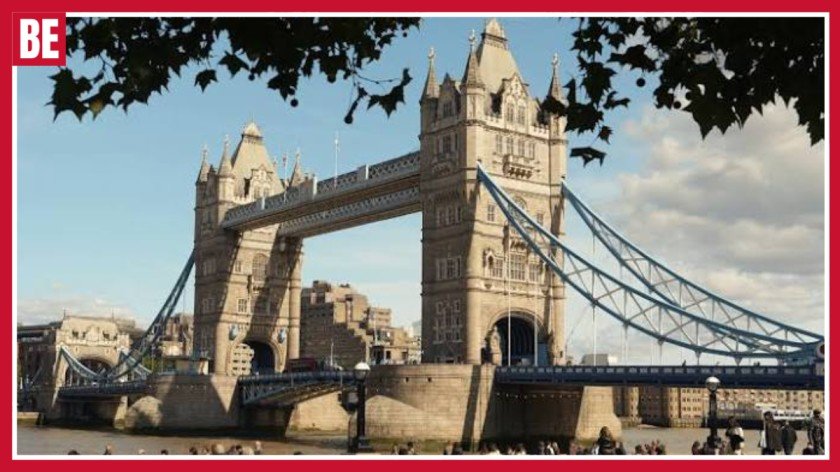
London is one of the world’s most exhilarating cities and has some fantastic things to offer with respect to history, culture, entertainment and modern attractions. From the famous Big Ben, Buckingham Palace to beautiful parks, museums, markets, and river-side walkways, there are many different things available for all kinds of travelers. Family-friendly things to do, romantic things to experience, and trendy neighborhoods to explore with friends – there is no end to what London has to offer, and there are many free things too. This guide will assist you in making the most out of your visit to London.
Best Experiences for First-Time Visitors
For first-time visitors, London is best explored by combining famous landmarks with local neighbourhoods and cultural attractions. Start around Westminster, where you can see Big Ben, the Houses of Parliament, Westminster Abbey and Buckingham Palace. A walk along the River Thames gives you wonderful views and connects several major sights. You can also explore Trafalgar Square, Covent Garden and Leicester Square, which are all within a manageable distance of each other. Planning attractions by area can save time and make your visit much easier.
The Tower of London is another important stop for anyone interested in British history. The historic fortress has played many different roles throughout the centuries and remains one of the capital’s best-known attractions. Nearby Tower Bridge provides an excellent photo opportunity and a chance to enjoy spectacular riverside views. Visitors can then continue towards Borough Market or walk along the South Bank. Combining historic sights with food, markets and riverside scenery creates a varied London day.
London also has a huge range of museums and cultural attractions. The British Museum is ideal for people interested in world history, while the Natural History Museum and Science Museum are popular choices for families. Art lovers can visit Tate Modern or explore galleries around central London. Many museums offer free general admission, although special exhibitions may have separate charges. This makes London’s cultural scene particularly attractive to visitors who want to experience the city without spending money at every stop.
Once-in-a-Lifetime and Cool London Experiences
Once in a lifetime things to do in London can include seeing the capital from above, watching a major West End production or taking a special Thames experience. The London Eye provides wide views across the city and is particularly impressive around sunset or on a clear day. A Thames cruise offers another perspective, passing landmarks while giving visitors a relaxing break from walking. For an evening experience, a West End theatre show can turn an ordinary night into a memorable part of your trip.
Some memorable experiences to consider include:
- 🎡 Ride the London Eye for panoramic city views
- 🚤 Take a Thames river cruise
- 🎭 Watch a West End theatre show
- 🏰 Explore the Tower of London
- 🌳 Walk through Hyde Park or Greenwich Park
- 🛍️ Explore Camden Market and its unique shops
- 📸 Discover colourful streets and hidden corners
- 🌆 Enjoy London views around sunset
- 🚶 Take a guided walking tour of historic areas
- 🍽️ Try different foods at London’s famous markets
Travellers looking for cool things to do in London can explore areas with distinctive personalities. Camden is famous for its lively market atmosphere, unusual shops and colourful streets. Shoreditch offers street art, independent businesses and creative spaces, while Greenwich combines history, open spaces and riverside scenery. Notting Hill is known for its attractive streets and colourful character. Exploring different neighbourhoods allows visitors to experience more than the traditional tourist centre.
London also has plenty of unusual experiences for people who want something different. You could explore atmospheric historic streets, visit specialist museums or discover quiet gardens hidden behind busy neighbourhoods. Walking tours can reveal stories that are easy to miss when travelling independently. Photography enthusiasts can find interesting architecture almost everywhere, from Victorian buildings to modern skyscrapers. The best approach is to combine famous attractions with less obvious places so your visit feels both exciting and personal.
Family, Couples and Friends
For families, there are many things to do in London with kids that combine entertainment and education. The Natural History Museum is a popular choice, while the Science Museum provides interactive displays and fascinating discoveries. Families can also enjoy parks, river walks, markets and attractions designed around younger visitors. A carefully planned day should include breaks because walking around central London can become tiring. Choosing attractions close together is particularly useful when travelling with children.
Couples can create a memorable visit by combining famous sights with slower experiences. Once-in-a-lifetime things to do in London for couples might include watching a West End show, enjoying a Thames cruise or visiting a beautiful viewpoint together. A walk through Hyde Park, Greenwich or along the South Bank can provide a quieter change of pace. Evening dining and theatre experiences can also make a short city break feel special without requiring an expensive itinerary.
Friends travelling together can choose a more energetic schedule. Things to do in London with friends include visiting Camden Market, exploring Soho, discovering street art and trying different food markets. Groups can also enjoy museums, sightseeing tours, live entertainment and shopping. Creating a flexible plan is helpful because everyone may have different interests. Splitting the day between attractions, food and free exploration allows friends to enjoy London without feeling rushed.
Free Attractions and Budget-Friendly Ideas
There are many things to do in London for free, making the capital more accessible for travellers who want to control their spending. Several major museums have free general admission, although temporary exhibitions may charge an additional fee. Visitors can also explore famous public spaces such as Trafalgar Square and watch the changing atmosphere around Buckingham Palace. Walking across bridges and along the Thames can provide excellent sightseeing without an entrance ticket. These simple activities can fill several hours of a London itinerary.
Parks are another excellent option for budget-conscious visitors. Hyde Park, Regent’s Park, Greenwich Park and Hampstead Heath provide large open spaces where travellers can walk, relax and enjoy city views. A picnic can also reduce the cost of eating out, particularly during warmer months. Visitors can create their own walking route between nearby attractions instead of paying for a tour. Exploring parks and neighbourhoods also gives travellers opportunities to see everyday London life.
A budget trip does not mean missing all the major attractions. Instead, choose one or two paid experiences that are most important to you and combine them with free activities. Booking popular attractions ahead of time may help with planning, while travelling outside the busiest periods can sometimes make the city feel more manageable. Free museums, public parks, walking routes and markets can balance the cost of paid attractions. With sensible planning, London can be enjoyed across different budgets.
Harry Potter Experiences in London
Things to do in London Harry Potter fans can enjoy range from visiting filming-related locations to exploring themed attractions outside central London. One of the most popular experiences is the Warner Bros. Studio Tour London, where visitors can learn about the production of the Harry Potter films. The experience is especially appealing to fans who want to see sets, costumes and filmmaking details connected with the series. Advance planning is important because popular attractions can become busy.
Central London also has several locations associated with the wizarding world and its wider atmosphere. Visitors can explore areas around Westminster, Covent Garden and other historic parts of the city while looking for recognisable settings and inspiration. Walking through old streets can be enjoyable even when a location is not an official attraction. Harry Potter fans can therefore combine a themed experience with ordinary sightseeing and discover more of London at the same time.
A Harry Potter-focused day can easily become part of a wider itinerary. You might spend the morning exploring central London before travelling to a themed attraction later in the day. Alternatively, dedicate a full day to the experience if you are travelling with enthusiastic fans. Families and younger visitors may particularly enjoy combining magical themes with museums, parks and other attractions. Checking official information before travelling is sensible because opening times, ticket arrangements and special events can change.
Shopping, Markets and Local Neighbourhoods
London is an excellent destination for shopping, with options ranging from major department stores to independent boutiques and colourful markets. Oxford Street is one of the best-known shopping destinations, while Regent Street and Carnaby offer a different mixture of international and independent brands. Covent Garden combines shopping with restaurants, entertainment and street performances. Visitors should consider their budget before shopping because central London can offer both affordable and luxury choices.
Markets provide another enjoyable way to experience the city. Camden Market is popular for fashion, food and unusual items, while Borough Market is well known for its food-focused atmosphere. Portobello Road offers antiques, vintage items and colourful surroundings. Columbia Road is another interesting area to explore, particularly when its market is operating. Market opening days can vary, so visitors should check current information before making a special journey.
Shopping is also an opportunity to explore London’s neighbourhoods. Instead of spending the entire day inside large shops, visitors can walk between streets, cafés, galleries and public spaces. Areas such as Notting Hill, Marylebone, Greenwich and Shoreditch each offer a different atmosphere. This approach makes a shopping day more interesting and allows travellers to experience local culture. It can also help visitors discover independent businesses and less crowded streets away from the main tourist routes.
Three-Day Itinerary, Hidden Gems and Final Travel Tips
If you are wondering what to do in London in 3 days, begin day one with Westminster and central London. See Big Ben, the Houses of Parliament, Buckingham Palace and Trafalgar Square before exploring Covent Garden. On day two, visit the Tower of London and Tower Bridge, then walk along the Thames towards Borough Market and the South Bank. Day three can be more flexible, with options including museums, Greenwich, Camden, shopping or a Harry Potter experience. This structure gives you a mixture of history, culture, food and entertainment.
There are also many hidden places worth adding to your itinerary when you have extra time. Little Venice offers peaceful canals, while Postman’s Park provides a quiet break near the City. Neal’s Yard is a colourful corner close to Covent Garden, and Kyoto Garden offers a relaxing setting in Holland Park. Other interesting places include St Dunstan in the East, Hampstead Pergola, Leadenhall Market and the Barbican Conservatory. Opening arrangements can vary, so check current information before travelling.
Good planning can make your London visit much easier. Wear comfortable shoes, allow extra time for public transport and avoid trying to visit too many attractions in a single day. Keep some flexibility in your itinerary for weather changes and unexpected discoveries. Use a mixture of famous landmarks, free attractions, parks, markets and neighbourhood walks to create a balanced trip. Whether you are travelling alone, with family, as a couple or with friends, thoughtful planning can help you enjoy the capital without feeling overwhelmed.
Frequently Asked Questions
What shouldn’t you miss in London?
Do not miss Big Ben, Buckingham Palace, the Tower of London and Tower Bridge.
A Thames walk and a famous London museum are also worth adding.
What are some cool things to do in London?
Explore Camden Market, Greenwich, hidden streets and unusual museums.
You can also enjoy a West End show or an evening riverside walk.
What should I do in London in 3 days?
Spend day one exploring Westminster and Buckingham Palace, and day two visiting the Tower of London and Tower Bridge.
Use day three for museums, Greenwich, Camden, shopping or a Harry Potter experience.
What are some hidden gems in London?
Try Little Venice, Neal’s Yard, Postman’s Park, Kyoto Garden and St Dunstan in the East.
These quieter places offer a different side of the capital away from busy tourist areas.
How can I enjoy London on a budget?
Visit free museums, explore parks and walk along the Thames to reduce costs.
Choose a few paid attractions and combine them with free activities.
Conclusion
London is a captivating city that has much to offer to any kind of traveler. Whether you visit the historical sites, enjoy the attractions related to royalty, visit free museums, take in the beautiful parks, explore the shopping streets, or have fun through the entertainment, London has numerous options available for you. If you travel as a family, you will find some interactive sites to visit, while couples can get some romantic spots for themselves. If visiting for the first time, it is wise to prepare your way in advance to utilize the entire day in a week to its fullest.

Arthur’s Seat Edinburgh Walk and History

Ben Nevis Walking Guide and Mountain Information

Stephen Kalyn Biography Age Height and Career
-

 Uncategorized1 month ago
GB News Presenters Female Current Hosts Newsreaders and Journalists
-

 Uncategorized2 months ago
Good Morning Britain Presenters Today’s Hosts and Political Team
-

 Uncategorized1 month ago
Shefali Oza Biography Age BBC Career Husband and Net Worth
-

 Things To Do2 months ago
Universal Studios Great Britain Opening Date Rides Map and Location
-

 Uncategorized1 month ago
Rip Off Britain Presenters Ages Cast Hosts and Everything You Need to Know
-

 Uncategorized1 month ago
Emily Campbell Weight lifting Career Olympic Medals and Life Story
-

 Uncategorized2 months ago
Pride of Britain Awards How to Nominate a UK Hero
-

 Uncategorized2 months ago
Great Britain at the Winter Olympics Medals Full History