
Things To Do
Britannia Leisure Centre Facilities Swimming Gym Classes Opening Time


Britannia Leisure Centre is a well-known community hub that brings together fitness, health, and leisure activities for people of all ages. Based in Hackney, London, the centre offers a variety of facilities, including swimming pools, a modern gym, sports areas, exercise classes, and spaces for families to enjoy. It is a place where local residents can stay active, improve their wellbeing, and take part in activities that suit their lifestyle. Whether you want to build your fitness routine, learn to swim, play sports, or simply spend time with family, Britannia Leisure Centre provides a friendly and welcoming environment for everyone.
Location and Main Facilities in Hackney
The centre is located on Pitfield Street beside Shoreditch Park, making it convenient for people living or working around Hoxton, Shoreditch, Haggerston and De Beauvoir Town. Visitors can reach the area by local bus services, nearby rail connections, cycling or walking. Public transport may be more practical than driving because the building is situated in a busy inner-London neighbourhood.
The modern multi-level building includes a 25-metre main swimming pool, a separate training pool, family leisure water and a large fitness area. Visitors can also find exercise studios, squash courts, an indoor sports hall, rooftop tennis courts and five-a-side football pitches. Additional services include a sauna, steam room, crèche, soft-play area and on-site café.
First-time visitors should arrive around 10 to 15 minutes before their booked activity. The building is arranged across several floors, so finding the correct changing room, studio, pool or sports court may take a little time. Individual activities can also follow different schedules from the main building hours, making it important to check the latest timetable before travelling.
Swimming Timetable, Pools and Lessons
The swimming programme includes separate sessions for lane swimming, lessons, family activities and recreational water use. The main six-lane pool is 25 metres long, making it suitable for fitness swimmers who want to measure distance. Forty lengths equal one kilometre, allowing beginners and experienced swimmers to create clear and realistic training goals.
A separate training pool provides a calmer environment for children, adult beginners and people who lack confidence in the water. Lessons may cover safe entry, floating, controlled breathing and basic movements before progressing towards complete strokes. Regular attendance can help learners develop their technique gradually without feeling pressured by faster swimmers.
The family water area includes a toddler-friendly pool, splash features and a recreational flume. Age, height and swimming-ability requirements may apply to certain attractions, so parents should review the current rules before visiting. Family sessions often become busy at weekends and during school holidays, making advance reservations a sensible choice.
Gym Equipment and Fitness Classes
The gym contains cardiovascular machines, resistance equipment and free-weight training areas. Visitors can use treadmills, exercise bikes, rowing machines and cross trainers to improve general endurance. Resistance machines target major muscle groups, while free weights provide more options for experienced users following structured strength programmes.
Beginners should start with a simple and manageable routine rather than trying every machine during their first visit. A useful session may include a short cardio warm-up, four or five resistance exercises and a controlled finish. Recording exercises, weights and repetitions can make progress easier to measure and prevent workouts from becoming random.
Instructor-led sessions offer an alternative for people who prefer structured exercise and group motivation. The programme may include cycling, yoga, Pilates, dance fitness, aerobics and strength conditioning. New participants should read the class description, arrive early and speak with the instructor about easier movement options where necessary.
Tennis, Football, Squash and Indoor Sports
The rooftop tennis courts are suitable for practice sessions, friendly matches and recreational games. Tennis can improve cardiovascular fitness, balance, coordination and concentration. Beginners may find short-court rallies more manageable than full matches, while regular players can use the courts for longer and more competitive sessions.
Five-a-side football pitches are also located on the roof, providing a distinctive setting for team sport. Small-sided football keeps players active through regular passing, defending, shooting and rapid changes of direction. Teams should confirm attendance, divide the cost before booking and complete a proper warm-up before beginning the match.
Indoor options may include squash, badminton, basketball, volleyball, netball and table tennis. These activities can suit people who find traditional gym training repetitive or prefer exercising with friends. Visitors should check whether racquets, balls and participant admission are included because court reservations may only cover the playing space.
Soft Play, Café and Family Services
The soft-play area provides an indoor activity space for babies, toddlers and younger children. Its padded features allow children to climb, balance and explore physical movement in a controlled environment. Parents should check the suitable age range, clothing requirements, session length and whether advance booking is necessary.
A crèche may help parents exercise while their child attends a supervised session. The parent normally needs to remain inside the building and may use the gym, attend a class or swim during that period. Crèche places can be limited and may need to be reserved separately from the adult activity.
The on-site café provides refreshments and a comfortable waiting area for visitors. Parents can sit there while children attend lessons, and friends can meet before or after exercise. Its location beside Shoreditch Park also makes it possible to combine an indoor activity with outdoor walking, family play or a more relaxed visit to the surrounding area.
Booking, Parking and Membership Options
Visitors can usually reserve activities through the operator’s website, mobile app or online account. Booking in advance is recommended for swimming sessions, exercise classes, tennis courts, football pitches, squash and soft play, particularly during evenings, weekends and school holidays.
Before visiting, check the following details:
- Booking: Select the correct session, date and time because lane swimming, family swimming and leisure-pool access may be listed separately.
- Parking: On-site or nearby parking may be limited due to the busy Hackney location. Check controlled zones, permit restrictions and current charges before driving.
- Public transport: Local buses, rail connections, cycling and walking may be more convenient than travelling by car.
- Membership: Monthly, annual and pay-as-you-go options may be available, depending on how often visitors plan to use the facilities.
- Additional charges: Court hire, childcare, swimming lessons and specialist activities may not be included in a standard membership.
- Accessible parking: Visitors requiring an accessible parking space should confirm the latest arrangements before travelling.
Regular visitors who use the gym, swimming pools and classes several times each week may receive better value from a membership. Occasional users may prefer pay-as-you-go access, as it avoids a continuing monthly payment. Comparing the total cost with the realistic number of visits can help users choose the most suitable option.
Frequently Asked Questions
Is there a sauna at the centre?
Yes, the facility includes a sauna and steam room for relaxation after exercise. Access conditions may depend on the selected membership or booked session.
Is parking available near the building?
Parking may be limited because the venue is located in a busy part of Hackney. Visitors should check local restrictions or consider public transport, walking or cycling.
Is the swimming pool heated?
The indoor pools are maintained at a suitable temperature for swimming and lessons. Visitors needing warmer water should confirm the current temperature before booking.
How can visitors book swimming or fitness activities?
Bookings can usually be made through the official website, mobile app or member account. Visitors should select the correct date, activity and session type.
Does the centre offer soft play and children’s activities?
Yes, younger children can use the soft-play area and join selected junior activities. Parents should check age limits, session times and booking requirements.
Conclusion
Britannia Leisure Centre is a useful choice for anyone looking to stay active in Hackney. With swimming pools, a modern gym, rooftop courts, soft play and children’s activities, there is something for individuals, families and local groups. Its biggest strength is the variety of facilities available in one place, although popular sessions can get busy and parking may be limited. Checking the latest timetable, prices and booking rules before visiting can save time. Overall, it is a welcoming and practical centre where people can exercise, learn new skills and enjoy active time with family or friends throughout the week.


Vernon Kay has been a familiar face and voice on British television and radio for years. With his upbeat personality and easy-going presenting style, he has built a career across entertainment shows, radio programmes and live broadcasts. His work with BBC Radio 2 has also made him a regular part of listeners’ daily routines. Away from the studio, public interest in his personal life has grown in 2026 following his separation from Tess Daly after more than two decades together. This article explores his career, family, age, height, net worth and latest updates, focusing on confirmed information rather than media speculation or rumours.
Early Life and Career Beginnings
Vernon Kay was born on 28 April 1974 in Bolton, Greater Manchester. His early life in the town became an important part of his identity, and he has continued to maintain strong links with the area throughout his career. Before television made him a household name, he entered the entertainment industry through modelling. This gave him an early introduction to professional media work and eventually opened the door to television. His career path was not a traditional one, but each stage helped him develop the confidence and communication skills that later became central to his work as a presenter.
The search for Vernon Kay young often relates to this modelling period and his early television appearances. He was discovered as a model after being spotted at the BBC Clothes Show Live and subsequently began taking modelling work in London. His tall frame made him noticeable within the industry, while the experience introduced him to photographers, producers and other media professionals. Modelling, however, was only the beginning. Television offered a different challenge because it required him to communicate directly with viewers, conduct interviews and handle live situations.
His major television breakthrough came through Channel 4’s T4, a youth-focused programme that became closely associated with music, entertainment and popular culture. The role helped him develop a relaxed presenting style and introduced him to a large audience. He later moved into mainstream entertainment, presenting programmes that included All Star Family Fortunes, Beat the Star and Splash!. This gradual progression was important because it allowed him to move beyond being recognised simply as a young television personality and establish himself as a versatile broadcaster.
Age, Height and Young Years
The presenter was born in 1974, which makes him 52 years old in 2026. His age provides useful context when looking at the length of his career because he entered television more than two decades ago and has continued working through major changes in the British media industry. He has experienced the transition from traditional terrestrial television to a landscape dominated by streaming, social media, digital radio and on-demand content. Remaining active through these changes has required presenters to adapt their skills and understand how audiences consume entertainment.
Searches for Vernon Kay height are also common, with his height generally given as 6ft 4in. ITV used that measurement when introducing him before his appearance on I’m a Celebrity… Get Me Out of Here! in 2020. His height became particularly noticeable during his teenage years, when he experienced a substantial growth spurt. That physical change later became useful when he entered modelling, giving him an appearance that suited the industry and helping him gain his first professional opportunities.
His younger years also help explain the unusual route he took into broadcasting. Rather than beginning behind the scenes or studying specifically for television, he entered through modelling and gradually discovered that presenting suited his personality. T4 gave him an environment where he could develop interview skills, timing and confidence while working with musicians, actors and other public figures. These skills became increasingly valuable as he moved into larger entertainment programmes. His early career therefore provides an example of how opportunities in the media industry can develop from unexpected starting points.
Television, Radio and Broadcasting Career
Television became the foundation of his public career, but his work eventually expanded across several areas of broadcasting. After T4, he became associated with mainstream entertainment formats and developed experience presenting competitions, family programmes and live events. All Star Family Fortunes was particularly useful because it combined celebrity guests, family participation, humour and audience interaction. He also presented programmes such as Beat the Star and Splash!, giving him experience with very different television formats and audiences.
Sport became another part of his professional life. He has a strong interest in sport and has worked on sports-related broadcasting, including Formula E coverage. This type of work requires a presenter to communicate information quickly while responding to events that can change from moment to moment. It also demonstrated that his skills were not limited to entertainment television. His career became broader as he took opportunities in different areas, allowing him to develop a professional identity that was based on presenting rather than on a single programme.
Radio later became one of the most important parts of his career. BBC Radio 2 provided a platform where he could combine music, conversation and listener interaction. His programmes have included features such as Tracks of My Years, Vernon’s Vault and Ten to the Top. His style works particularly well in radio because he can create an informal atmosphere while guiding listeners through music and conversation. The change from television to radio also demonstrated his ability to adapt his presentation style to a different medium.
Radio 2, Music and Charity Achievements
BBC Radio 2 has become a major part of his professional identity, particularly through music-led programming. His work with Dance Sounds of the 90s connects his presenting style with a decade of music that continues to have a strong nostalgic following. The programme gives listeners the opportunity to hear familiar dance tracks while also hearing stories, memories and commentary surrounding the music. The BBC’s commissioning material described the format as energetic and friendly and highlighted the presenter’s enthusiasm, warmth and natural reactions.
The appeal of 1990s music gives the programme a strong sense of nostalgia, but the format depends on more than simply playing old songs. A successful presenter needs to create a feeling of shared experience, helping listeners connect music with memories of clubs, parties, holidays and important moments in their lives. His conversational style fits that approach because he can move naturally between music and discussion. This has helped him build a radio identity that is separate from his earlier television work while still using the personality audiences recognise.
Charity broadcasting has also produced one of the most memorable achievements of his recent career. In 2023, he completed an Ultra UltraMarathon for BBC Children in Need, creating a major fundraising moment connected with his Radio 2 work. BBC Children in Need reported that the challenge raised £5,067,847 for BBC Radio 2. The challenge required significant physical endurance and gave audiences an opportunity to follow his progress while supporting a national charity. It added another dimension to a career that had already covered television, radio and sport.
Life and Family in 2026
For readers searching Vernon Kay now, his professional life remains closely connected with broadcasting, particularly BBC Radio 2 and music programming. His work continues to involve the combination of songs, conversation, nostalgia and listener interaction that has become familiar to his radio audience. The BBC’s programme records show his involvement with regular Radio 2 programming and music features.
His career therefore remains active rather than being limited to earlier television successes.
- Marriage: Married Tess Daly in 2003; they announced their separation in May 2026.
- Children: The couple have two daughters, Phoebe and Amber.
- Family life: Both parents have asked for privacy while continuing to support their children.
- Career: He continues his broadcasting work, including BBC Radio 2.
- Public attention: His personal life has received renewed media interest following the 2026 separation.
His personal life changed significantly in 2026. Tess Daly and the broadcaster announced in May that they had decided to separate after 22 years of marriage. Their public statement said that they intended to separate amicably, remain friends and continue to be supportive parents to their two daughters. This means that older online biographies describing Daly simply as his current wife need to be updated when discussing his circumstances in 2026.
The marriage had been one of the best-known relationships in British broadcasting because both partners had successful television careers. Daly became closely associated with Strictly Come Dancing, while he developed a career across entertainment, sport and radio. Their separation does not change the historical significance of their 22-year marriage, but it does change how current biographies should describe the relationship. The couple’s public comments also placed emphasis on maintaining a supportive family relationship.
Wife, Daughters and Family Life
The search term Vernon Kay wife has historically referred to Tess Daly, whom he married in September 2003. Their marriage lasted for 22 years before the couple announced their separation in May 2026. Daly is a major television personality in her own right and is particularly associated with Strictly Come Dancing. Their careers often brought them into the public eye together, although each also maintained a separate professional identity.
The couple have two daughters, Phoebe and Amber, making Vernon Kay daughters another frequent search topic. The children have generally remained outside the most intrusive areas of celebrity coverage. When the presenter appeared on I’m a Celebrity… Get Me Out of Here! in 2020, ITV reported that his daughters watched the programme and that he wanted to make them proud. This provides a glimpse into the family relationship without requiring unnecessary private information.
The 2026 separation announcement also highlighted the importance of parenting. The former couple said they remained committed to being supportive parents, making their children an important part of the family’s public message. For readers researching the family today, the key facts are straightforward: the couple married in 2003, have two daughters and announced their separation in 2026. Further personal speculation is unnecessary, particularly when the publicly confirmed information already provides a clear picture of the family’s current circumstances.
- Also Read. Davina McCall Partner Age Wedding and Family
(FAQs)
Has Vernon Kay been diagnosed with a medical condition?
There is no reliable public confirmation of a specific medical diagnosis.
Health claims should only be accepted when supported by confirmed sources.
Why did Tess and Vernon split?
They announced their separation in May 2026 after 22 years of marriage.
They did not publicly give a specific reason for their decision.
Are Vernon and Tess still together?
No, they announced their separation in May 2026 after 22 years together.
They said they remain friends and supportive parents to their two daughters.
What’s going on with Vernon Kay?
He continues his broadcasting career, including his work with BBC Radio 2.
His separation from Tess Daly has also attracted public attention in 2026.
How many daughters does Vernon Kay have?
He and Tess Daly have two daughters, Phoebe and Amber.
The family has generally kept their children’s private lives away from the spotlight.
Conclusion
Vernon Kay has built a long and familiar career across British television and radio. From entertainment shows to his work on BBC Radio 2, he has remained a recognisable face and voice for many listeners and viewers. In 2026, however, interest in his life has also grown because of his separation from Tess Daly after more than two decades together. The pair have asked for privacy while continuing to focus on their two daughters. As his broadcasting career moves forward, fans can expect to hear more from him through radio and television. Keeping up with trusted sources helps separate confirmed news from speculation.
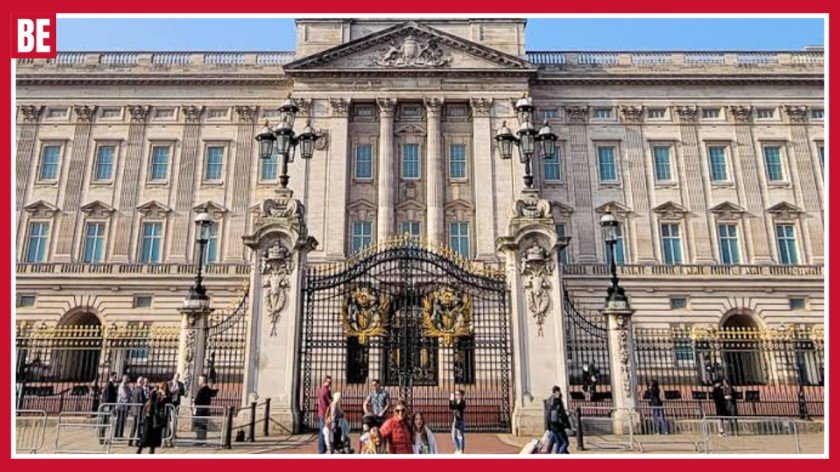
London is the kind of city where there is always something new around the corner. You can start your day beside a famous landmark, spend the afternoon exploring a museum, and finish with a walk along the Thames. First-time visitors can enjoy royal sights and historic buildings, while returning travellers can look for hidden corners, local markets and peaceful parks. Families, friends and young adults will all find plenty to enjoy, including free attractions and lively neighbourhoods. With so many choices, planning a few key stops can save time without taking away the fun. Leave room for surprises, and let London make the memories.
Famous Places to Visit in London for First-Time Visitors
Westminster is one of the most useful areas for a first London visit because several major landmarks sit close together. Big Ben and the Houses of Parliament create one of the city’s most recognisable views, while Westminster Abbey adds centuries of royal and religious history. Visitors can then walk towards Buckingham Palace through St James’s Park, combining architecture, history and green space. The Thames also runs nearby, creating opportunities for photographs and relaxed riverside walks. This area can comfortably occupy several hours without requiring multiple long journeys.
The Tower of London offers another major historical experience, with its fortress buildings, royal connections and Crown Jewels. Nearby Tower Bridge is one of the city’s most recognisable structures and provides excellent views of the River Thames. Further west, St Paul’s Cathedral provides another important architectural landmark, while the London Eye offers panoramic views across central London. Visitors interested in art can choose the National Gallery or Tate Modern, while history enthusiasts may prefer the British Museum. The important point is to select attractions according to personal interests rather than attempting everything in one day.
A useful first-time strategy is to group attractions by location. Westminster can include Big Ben, Parliament, Westminster Abbey, Buckingham Palace and St James’s Park. The Tower area can combine the Tower of London, Tower Bridge and a Thames walk, while the South Bank can connect Tate Modern, Shakespeare’s Globe and Borough Market. This reduces travel time and leaves more opportunity for unexpected discoveries. Visitors should also leave space for meals, photographs and rest because central London involves considerable walking. A flexible itinerary usually creates a better experience than a tightly packed checklist.
Places to Visit in London for Free
London has many experiences that do not require an expensive attraction ticket. The British Museum provides access to collections covering thousands of years of human history, while the National Gallery offers major European paintings in the heart of Trafalgar Square. The Natural History Museum and Science Museum are particularly useful for families and curious travellers. Tate Modern adds modern and contemporary art beside the Thames. These museums allow visitors to build an interesting cultural itinerary while keeping daily spending under control.
London’s parks provide another excellent free option. Hyde Park offers large open areas in the centre of the city, while Regent’s Park combines landscaped gardens with access to London Zoo. Greenwich Park provides impressive city views and historic surroundings, while Hampstead Heath offers a more natural landscape. Visitors can also walk sections of the Thames Path, explore Trafalgar Square or discover historic streets around the City of London. These activities are especially useful between paid attractions because they provide a chance to slow down without ending the day’s sightseeing.
Some of the most interesting free experiences are also among the city’s less obvious attractions. St Dunstan in the East combines the remains of a historic church with a peaceful garden surrounded by modern buildings. Postman’s Park offers a quiet space close to the City, while Leadenhall Market provides impressive architecture without an admission fee. The Barbican’s public spaces and parts of Greenwich also offer opportunities for photography and exploration. For visitors searching for unusual places to visit in london for free, these smaller experiences can provide memorable alternatives to traditional tourist attractions.
Places to Visit in London for Young Adults and Friends
Young adults often want a combination of sightseeing, food, shopping, culture and entertainment rather than a day spent only inside museums. Camden is particularly suitable for this style of trip because its markets, food stalls, shops and music-related history create a lively atmosphere. Soho offers restaurants, cafés, theatres and nightlife, while Covent Garden adds street performers, shopping and historic architecture. Shoreditch provides another option for visitors interested in street art, independent businesses and creative culture. Each neighbourhood has a different character, so groups can choose according to their interests.
The South Bank is another practical choice for friends because several attractions connect through an easy riverside route. Tate Modern, Shakespeare’s Globe, Millennium Bridge and Borough Market can form one flexible day, with plenty of opportunities to stop for food. Groups interested in photography can continue towards Tower Bridge, while adifferent activitiesrt lovers can spend longer around Tate Modern. Friends who prefer shopping can combine Covent Garden with Soho and central shopping streets. This approach means everyone can enjoy without repeatedly crossing the city.
Young adults can also make their itinerary more experience-focused by mixing famous attractions with neighbourhood exploration. A group might start with a museum, have lunch at a market, walk beside the Thames and finish with theatre or entertainment. People searching for places to visit in london with friends can therefore avoid creating an itinerary based entirely on landmarks. Markets, galleries, independent cafés and public spaces often create better opportunities for conversation and relaxed exploration. The best group plans usually include a few fixed activities while leaving time for spontaneous choices.
Unusual Places to Visit in London
London has a remarkable collection of unusual attractions for visitors who want something beyond the standard tourist route. Sir John Soane’s Museum is one example, combining architecture, art and antiquities within the former home of architect Sir John Soane. Dennis Severs’ House in Spitalfields provides an atmospheric interpretation of historic domestic life. Leighton House in Kensington combines artistic collections with remarkable interiors. These attractions show how London’s cultural history can be experienced through buildings as well as traditional museums.
Highgate Cemetery provides another distinctive setting, with historic monuments, winding paths and mature vegetation. Little Venice offers a quieter atmosphere around London’s waterways, while Postman’s Park provides a small historic green space near the City. Neal’s Yard adds colourful architecture to a central neighbourhood, and the Barbican provides striking modernist surroundings. Visitors can also explore St Dunstan in the East and Leadenhall Market for contrasting examples of historic and modern London. These places are especially useful for repeat visitors who have already explored the major landmarks.
The best way to discover unusual attractions is often to explore an entire neighbourhood rather than travel to one location and immediately leave. Spitalfields, for example, can combine historic streets, markets, independent shops and cultural attractions. The City of London mixes medieval churches with modern skyscrapers and covered markets. Visitors interested in unusual places to visit in london can also create walking routes around architecture, street art, historic buildings or hidden gardens. This style of sightseeing is often inexpensive and gives travellers more freedom to explore at their own pace.
Top 10 Places to Visit in London
A list of the top 10 attractions can make planning your first London trip much easier. These places cover royal history, famous architecture, museums, riverside views and lively areas. You do not need to visit them all in one day. Instead, choose attractions that are close together and fit your interests.
This approach saves travel time and gives you more time to enjoy each place:
- Buckingham Palace
- Big Ben and the Houses of Parliament
- Tower of London
- Tower Bridge
- London Eye
- British Museum
- Natural History Museum
- St Paul’s Cathedral
- Westminster Abbey
- Greenwich
These attractions offer a good introduction to London’s character and history. Some are ideal for photography, while others provide museums, royal stories or impressive city views. If you have limited time, focus on two or three areas rather than crossing the city repeatedly. You can also mix famous landmarks with a quieter park, market or neighbourhood to make the day feel less rushed.
Places to Visit in London with Kids and Families
Families have a wide choice of attractions, but the best options depend on children’s ages and interests. The Natural History Museum is popular because dinosaurs, fossils, animals and natural science naturally encourage curiosity. The Science Museum provides a different experience through technology, engineering, space and interactive displays. The London Transport Museum introduces children to the development of London’s transport system through historic vehicles and exhibitions. These museums can provide several hours of entertainment without requiring families to move between distant areas.
Parks are equally valuable because children need opportunities to move around after spending time indoors. Hyde Park offers large open areas in central London, while Regent’s Park provides gardens and access to London Zoo. Greenwich Park combines open space with historic surroundings and views across the capital. Families can also use riverside walks as breaks between attractions. Choosing a nearby café or food market for lunch can make the itinerary more relaxed and reduce unnecessary travel.
People searching for places to visit in london with kids should avoid packing too many attractions into one day. A family might visit the Natural History Museum in the morning, explore Kensington Gardens afterwards and then have an early meal nearby. Another option is the Tower of London followed by Tower Bridge and a short riverside walk. Teenagers may prefer Camden, South Bank or interactive attractions that provide more independence. The best family itinerary leaves enough time for breaks, snacks and unexpected changes.
Planning Your London Trip: Today, Costs and Practical Tips
If you are looking for places to visit in london today, check opening hours, ticket arrangements and any temporary changes before leaving. A same-day itinerary works best when attractions are grouped within one area. Westminster is useful for famous landmarks, South Bank works well for art and riverside activities, Camden suits markets and food, and Greenwich offers a slower combination of history and green space. Choosing one main area also makes it easier to change plans if an attraction is busy. This approach is particularly useful for short visits.
A one-day trip can focus on Westminster, Buckingham Palace, Trafalgar Square and Covent Garden. A second day could combine the Tower of London, Tower Bridge, Borough Market and Tate Modern. A third day could focus on museums or Greenwich, while longer stays allow visitors to explore Camden, Shoreditch, Hampstead and other neighbourhoods. Travellers on a budget can combine free museums and parks with one or two paid attractions. This creates variety without making every part of the itinerary expensive.
Planning also means allowing enough time for walking and rest. London is larger than it may appear on a map, and busy attractions can take longer than expected. The benefits of planning by area include less time travelling, better control of spending and more opportunities to discover smaller attractions. Visitors should choose two or three main priorities each day and treat other activities as optional. This flexible approach works particularly well for families and groups because everyone has room to adjust the schedule.
- Also Read. Holiday Destinations Best Places to Visit
(FAQs)
What are the top 10 places to visit in London?
Popular choices include the Tower of London, Buckingham Palace, Big Ben, Tower Bridge, British Museum and Greenwich.
What are 7 places to visit in London?
Consider Westminster, Buckingham Palace, Tower of London, Tower Bridge, British Museum, Natural History Museum and Greenwich.
What’s the most beautiful place in London?
St James’s Park, Greenwich Park, Westminster and the South Bank are popular for beautiful scenery, architecture and views.
What are the top 20 attractions in London?
Popular attractions include Buckingham Palace, Big Ben, Tower of London, Tower Bridge, London Eye, museums, galleries, parks and historic sites.
What are the best places to visit in London with kids?
The Natural History Museum, Science Museum, London Transport Museum, London Zoo, Greenwich Park and Regent’s Park are family-friendly choices.
Conclusion
London has a way of making every visit feel a little different. You can spend the morning admiring Big Ben, wander through a fascinating museum after lunch, and end the day beside the Thames. Families can enjoy hands-on museums and spacious parks, while friends and young adults can explore markets, cafés, galleries and lively neighbourhoods. If you have already seen the famous landmarks, London’s hidden corners are just as rewarding to discover. The easiest way to enjoy the city is to plan a few key stops and leave room for surprises. Take your time, explore at your own pace, and let London unfold naturally.
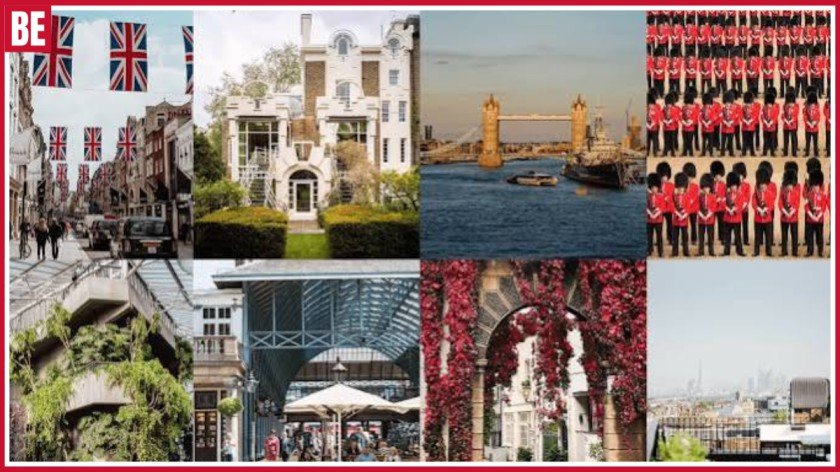
London is one of those cities where there always seems to be something new to see or do. You could start the day with a famous landmark, browse a colourful market, relax in a park or discover a small gallery tucked away on a quiet street. Whether you are visiting for the first time or have lived in London for years, there are plenty of ways to enjoy the city. Families, couples, solo travellers and friends can all find something that suits them. From free activities to special events and evening entertainment, a little planning can help you make the most of your day.
Things to Do in London Today: Events and Top Attractions
London’s famous attractions remain popular because they provide an easy introduction to the capital’s history and culture. Westminster is a practical starting point, with Big Ben, the Houses of Parliament, Westminster Abbey and Buckingham Palace all within a manageable sightseeing area. Visitors can continue through St James’s Park towards Trafalgar Square and the National Gallery. This route combines historic buildings, green spaces and art without requiring too many journeys. Another useful route begins around South Bank, where the Thames, London Eye, Shakespeare’s Globe and Tate Modern can be explored during one walk. Planning around a single neighbourhood helps visitors save time and enjoy the atmosphere instead of constantly checking transport connections.
The City of London provides a different experience, combining modern skyscrapers with historic streets, churches and markets. St Paul’s Cathedral can be paired with Millennium Bridge, Tate Modern and the riverside for a varied cultural day. Museum lovers have several choices, including the Natural History Museum, Science Museum, Victoria and Albert Museum and British Museum. Many permanent museum collections are available without an admission charge, although temporary exhibitions may require tickets. For visitors interested in entertainment, the West End offers musicals, plays and comedy productions throughout the week. A theatre performance can be an excellent evening activity after a quieter afternoon spent exploring galleries, shops or historic streets.
Current London event calendars also demonstrate how much happens beyond the city’s major tourist attractions. Daily listings can include historical talks, specialist exhibitions, concerts, cultural programmes and evening performances. For 28 September 2026, London listings include historical and cultural events at venues across the capital, showing that visitors have options beyond conventional sightseeing. Food can also become part of the itinerary, with Chinatown, Soho and Borough Market offering different styles of dining. Rather than trying to visit every famous attraction, choose two or three main activities and build the rest of the day around them. This creates a more relaxed experience and leaves room for unexpected discoveries.
Unusual Things to Do in London Today
London has a huge amount of history hidden behind ordinary streets, buildings and public spaces. Visitors who have already seen the major landmarks can explore specialist museums, historic lanes, independent galleries and unusual cultural venues. The City of London is particularly suitable for this because modern offices stand alongside medieval churches, historic courtyards and centuries-old streets. Specialist museums can also provide a different perspective, with subjects ranging from transport and medicine to childhood, design and social history. The London Transport Museum is a natural choice for transport enthusiasts, while the Museum of London Docklands explores the development of London’s docks and its relationship with the River Thames.
Markets provide another way to experience a less formal side of the capital. Portobello Road combines vintage items, antiques, food and street culture, making it useful for visitors who want to browse rather than follow a traditional sightseeing route. Current listings show Portobello Road Market operating on Monday 28 September 2026 with free entry. Greenwich offers another alternative, combining a historic market, large park, riverside views and several major attractions. Greenwich Market is currently listed as open from 10am to 5:30pm with free entry on the same date. These areas allow visitors to explore at their own pace while still experiencing distinctive parts of London.
Architecture enthusiasts can create their own walking route around Georgian terraces, Victorian railway structures, Art Deco buildings, brutalist landmarks and modern skyscrapers. Photography can make the experience even more engaging, especially if you choose a theme such as historic signs, unusual doors, bridges, street art or old shopfronts. Art lovers can also explore smaller galleries and temporary exhibitions rather than relying only on the largest institutions. Current September listings include specialist talks and cultural events covering subjects such as history, medicine, literature and social issues. These experiences are often less predictable than mainstream attractions and can be particularly rewarding for repeat visitors who want to discover another side of London.
Things to Do in London Today Free and Outside
A memorable London day does not necessarily require a large budget. Walking along the Thames, exploring public parks, visiting free museum collections and browsing markets can fill several hours without an entrance fee. The South Bank is especially useful because visitors can walk beside the river while seeing famous landmarks, bridges and cultural buildings. Tate Modern offers free permanent displays, while Millennium Bridge provides a convenient route towards St Paul’s Cathedral. Visitors can also explore Westminster, St James’s Park and Trafalgar Square without paying for admission. These simple activities are ideal for travellers who want to experience the atmosphere of London rather than spend the entire day inside ticketed attractions.
London’s parks provide another excellent opportunity to enjoy the capital outdoors. Hyde Park is convenient for central sightseeing, while Regent’s Park offers gardens and open spaces. Greenwich Park combines large green areas with historic attractions and views across London, while Hampstead Heath provides longer walking routes and a more natural environment. Markets can add variety to an outdoor itinerary without requiring an entrance ticket. Portobello Road Market and Greenwich Market are both currently listed as free-entry options for 28 September. Visitors can browse stalls, take photographs and enjoy the atmosphere without committing to expensive purchases.
A simple low-cost itinerary could begin with a morning walk through Westminster or along the South Bank, followed by a free museum or gallery. After lunch, you could explore a market or park before choosing one paid attraction for the evening. This approach allows you to spend money where it adds the most value instead of paying admission throughout the day. Families can use parks as breaks between indoor attractions, while couples can enjoy riverside walks and markets. Teenagers may also enjoy photography challenges, street-art walks and independent browsing. Having an indoor backup is sensible because London weather can change quickly, particularly during autumn.
Simple Low-Cost London Ideas
- Walk along the Thames between major landmarks.
- Explore one of London’s large public parks.
- Visit a museum with free permanent collections.
- Browse Portobello Road or Greenwich Market.
- Photograph historic buildings, bridges and street art.
- Explore South Bank, Greenwich or the City on foot.
- Save money for one special paid attraction.
- Finish with an inexpensive meal or traditional pub visit.
Things to Do in London Today for Adults
Adults can build a London day around almost any interest, including art, history, food, theatre, music, architecture and nightlife. An exhibition followed by dinner is an easy combination, particularly in areas such as South Kensington, Bankside, Soho and the West End. Theatre is another major attraction, with musicals, plays and comedy productions available across different venues. Visitors who are flexible about the exact production can check same-day availability for additional choices. Live music provides another evening option, ranging from intimate jazz clubs to larger concert venues. These experiences work well for couples, friends and solo travellers because they can be adapted to different schedules.
Food can become an important part of the experience rather than simply a break between attractions. Chinatown and Soho provide a wide range of restaurants, while Borough Market offers an opportunity to sample different foods in one location. Traditional pubs can provide a more relaxed setting after several hours of sightseeing. Adults interested in history can choose specialist walking tours covering architecture, literature, social history or historic London. Creative workshops and immersive cultural experiences can also provide alternatives to traditional museums. These activities are particularly useful for repeat visitors who have already seen the most famous landmarks and want something more personal.
Current event listings for 28 September include cultural talks, exhibitions, concerts and evening programmes across London. A free Monday concert at St Peter’s Church in Notting Hill is also listed for 1pm, offering a cultural option with a retiring collection rather than a conventional fixed admission price. Couples can combine an afternoon exhibition with dinner and theatre, while solo visitors can explore galleries, markets and cafés independently. If nightlife is the priority, choosing dinner and entertainment in the same general area can reduce travel time. The best adult itinerary is usually one that balances cultural activities, food and relaxation instead of filling every hour with scheduled attractions.
Things to Do in London Today with Kids and Teenagers
Families can enjoy London without creating an exhausting schedule by combining one major attraction with outdoor space and regular breaks. South Kensington is particularly convenient because the Natural History Museum and Science Museum are close together. The Natural History Museum appeals to younger visitors through dinosaurs and natural science, while the Science Museum provides interactive displays covering technology, engineering and space. Families should normally choose one major museum rather than attempting several in a single day. Afterward, a park, café or open public space can provide children with time to move around and relax. This balance can make the entire experience more enjoyable for both children and parents.
The Young V&A is another family-friendly option, with current listings including the Wallace & Gromit and Friends exhibition. Greenwich is also useful because families can combine the market, park and historic attractions without travelling between distant parts of London. South Bank provides another flexible destination, offering riverside walks, street performers and several family attractions. Teenagers may prefer experiences that feel more independent, such as markets, design exhibitions, street art, music and photography. The Design Museum’s NIGO: From Japan with Love exhibition is currently listed for 28 September and may appeal to teenagers interested in fashion, design and popular culture.
Parents can make the day more engaging by allowing children or teenagers to choose one activity from a small selection. A photography challenge can also turn a normal walk into an activity, with themes such as unusual buildings, bridges, street art or historic signs. Younger children may enjoy travelling by Tube, bus or river boat because transport itself can become part of the adventure. For rainy weather, museums, cinemas, theatres and indoor experiences provide alternatives, while sunny days can include parks and riverside walks. The most successful family itineraries leave some flexibility rather than attempting to follow a strict timetable from morning until evening.
Once-in-a-Lifetime Experiences and Major Events in London Today
Some London experiences become memorable because of their setting, scale or personal significance. Seeing the capital from above, taking a Thames cruise or attending a major theatre performance can create stronger memories than simply visiting another attraction. The London Eye is a well-known option for skyline views, while observation decks and rooftop locations provide different perspectives. A Thames cruise offers another way to understand the city’s geography because many famous landmarks can be seen from the water. Historic locations such as the Tower of London and Westminster Abbey can become more meaningful when visitors learn about the people and events associated with them.
Temporary exhibitions can also provide a reason to visit London at a particular time. Current cultural listings highlight the Bayeux Tapestry at the British Museum among major exhibitions in the capital. London’s autumn arts calendar also includes exhibitions at leading museums and galleries covering modern art, historic collections, fashion and design. Major concerts, cultural celebrations and sporting events can change the atmosphere of entire neighbourhoods. However, large events can also increase crowd levels and travel times. Checking the venue location and allowing additional time for transport can therefore make the experience much smoother.
A memorable experience does not have to be the most expensive option available. The right choice depends on personal interests. A theatre enthusiast might value a West End performance, while an art lover may prefer a major exhibition. A sports supporter could choose a stadium experience, while someone interested in history might prefer a specialist walking tour. Current event calendars show that even an ordinary weekday can contain historical talks, concerts, exhibitions and cultural programmes. Leaving some unplanned time is also worthwhile because an unexpected gallery, market stall or street performance can become one of the most memorable parts of a London visit.
Is It Worth Exploring London Today?
London offers enough variety to suit visitors with very different interests and budgets. Famous landmarks provide a strong introduction for first-time visitors, while repeat travellers may prefer specialist museums, independent galleries, markets and neighbourhood walks. The city’s biggest advantage is flexibility because you can build an itinerary around history, art, food, shopping, architecture, theatre, music or outdoor activities. Free museums, parks and public spaces make it possible to enjoy the capital without spending heavily. Visitors with larger budgets can add theatre, special exhibitions, fine dining or premium experiences. Choosing activities that genuinely interest you is more useful than attempting to visit every famous attraction.
There are also practical disadvantages to consider. Popular attractions can become crowded, temporary exhibitions may sell out and travelling between distant parts of the capital can consume valuable time. Grouping activities by location is therefore one of the most useful planning strategies. Instead of moving from Greenwich to Kensington and then across to the West End, choose one area and explore it properly. Checking opening times, ticket requirements and transport before leaving can prevent avoidable problems. Weather should also be considered when planning outdoor activities, particularly during autumn. Having an indoor alternative nearby means that rain does not have to ruin the entire itinerary.
Different travellers can create completely different experiences from the same city. Families may combine a museum with a park, while couples can build a day around galleries, food and theatre. Teenagers may prefer markets, design, music and interactive experiences, while solo travellers can explore museums, cafés and walking routes at their own pace. The most useful approach is to decide what you want from the day before selecting individual attractions. A smaller itinerary with enough time to enjoy each stop can be more satisfying than a packed schedule. London rewards curiosity, so leaving room for unexpected discoveries can make an ordinary visit feel much more memorable.
(FAQs)
What is happening in London today for free?
Free options include parks, markets, free museum collections, galleries and riverside walks. Check daily listings for free concerts and cultural activities.
What is happening in London today?
London offers exhibitions, theatre, live music, markets, family activities and cultural events. Your choices depend on your interests, budget and available time.
What can you do in London today according to Time Out?
Time Out London features current events, exhibitions, attractions, restaurants and unusual experiences. Its listings can help you find activities taking place across the city.
What are 20 hidden gems to discover in London?
Hidden gems include quiet streets, secret gardens, independent galleries, historic churches and lesser-known museums. These places offer a different experience away from busy tourist areas.
Is London worth exploring for one day?
Yes, especially if you focus on one or two areas and choose a few key attractions. A flexible itinerary gives you time for food, walking and unexpected discoveries.
Conclusion
London is the kind of city where even an ordinary day can turn into a memorable one. You might spend the morning visiting a museum, wander through a lively market at lunchtime, and finish the day with a riverside walk or evening show. There is no need to pack your schedule with endless attractions. Pick a few places that genuinely interest you and give yourself time to enjoy them. Whether you are travelling with family, meeting friends or exploring alone, London has plenty to offer. A little planning, some flexibility and curiosity can make your day feel relaxed, enjoyable and special.

Best Places to Visit in UK Top Destinations

Vernon Kay Biography Age Wife Career

Best Beaches in UK Top Places to Visit
-

 Uncategorized2 months ago
GB News Presenters Female Current Hosts Newsreaders and Journalists
-

 Uncategorized2 months ago
Good Morning Britain Presenters Today’s Hosts and Political Team
-

 Uncategorized2 months ago
Shefali Oza Biography Age BBC Career Husband and Net Worth
-

 Uncategorized2 months ago
Rip Off Britain Presenters Ages Cast Hosts and Everything You Need to Know
-

 Things To Do2 months ago
Universal Studios Great Britain Opening Date Rides Map and Location
-

 Uncategorized2 months ago
Pride of Britain Awards How to Nominate a UK Hero
-

 Uncategorized2 months ago
Emily Campbell Weight lifting Career Olympic Medals and Life Story
-

 Uncategorized2 months ago
Great Britain at the Winter Olympics Medals Full History