
Travel Tips
Great Britain vs UK Explained Countries Geography and History

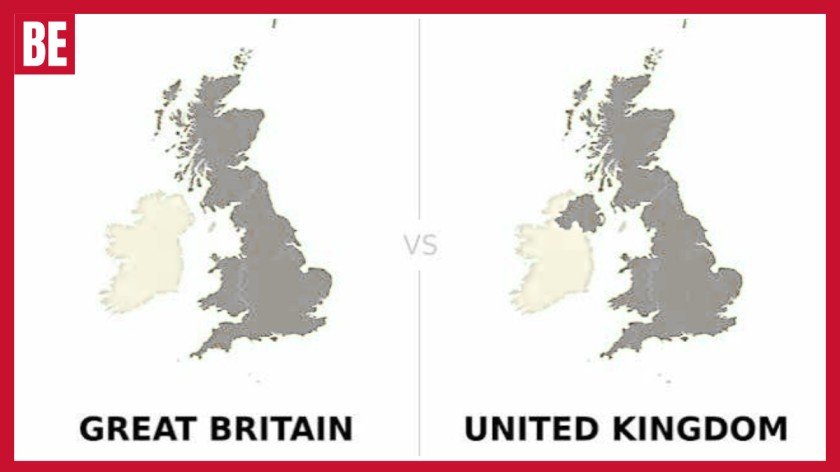
Great Britain vs UK confusion occurs frequently because of the connection between these two names, but they have different meanings. Great Britain denotes an island with England, Scotland, and Wales on it, whereas the United Kingdom (UK) is a sovereign state which additionally consists of Northern Ireland. The understanding of the distinction between Great Britain and UK will help one to communicate correctly when traveling, studying, speaking about history, and other things. There are many people who misuse these terms without being aware of the meaning. The current paper is going to explain the differences and the meanings of these terms.
Great Britain vs UK: What Is the Main Difference?
Great Britain consists of England, Scotland and Wales, while the United Kingdom includes England, Scotland, Wales and Northern Ireland. The full official name is the United Kingdom of Great Britain and Northern Ireland. This name clearly shows that Great Britain forms one part of the state and Northern Ireland forms the other. Great Britain is mainly a geographical island and three-country grouping. The United Kingdom is the sovereign political state recognised internationally.
The easiest formula to remember is that the United Kingdom equals Great Britain plus Northern Ireland. Northern Ireland is not in Great Britain because it is geographically located on the island of Ireland. However, it remains politically and constitutionally part of the United Kingdom. The Republic of Ireland is an independent sovereign country and is not part of the UK. Northern Ireland is therefore the main feature that separates Great Britain from the United Kingdom.
The main difference between Great Britain and the UK is the number of countries included. Great Britain refers only to the island made up of England, Scotland, and Wales, while the UK (United Kingdom) includes those three countries plus Northern Ireland. Although people often use the terms interchangeably in everyday conversations, they have different geographical and political meanings. Great Britain describes a physical land area, whereas the UK is a sovereign country with its own government, laws, and international identity. Using “UK” is usually the most accurate choice when referring to the entire nation.
What Countries Are in Great Britain vs UK?
The answer to what countries are in Great Britain vs UK is easy to understand once the four constituent countries are listed. England, Scotland and Wales belong to both Great Britain and the United Kingdom. Northern Ireland belongs to the United Kingdom but does not belong to Great Britain. London is the capital of England and the UK, while Edinburgh is the capital of Scotland. Cardiff is the capital of Wales, and Belfast is the capital of Northern Ireland.
England, Scotland, Wales and Northern Ireland are commonly described as countries, but they are not four independent sovereign states. The United Kingdom represents them in international affairs, manages defence and issues British passports. Scotland, Wales and Northern Ireland have devolved institutions that control several domestic responsibilities. These responsibilities may include education, healthcare, transport and local government. England does not have a separate national parliament and is largely governed through the UK Parliament.
Jersey, Guernsey and the Isle of Man are not included in the United Kingdom. They are Crown Dependencies with their own governments, legal systems and taxation arrangements. The UK is generally responsible for their defence and international representation. British Overseas Territories such as Gibraltar, Bermuda and the Falkland Islands are also separate from the UK. Their constitutional connection with Britain does not make them ordinary parts of Great Britain or the United Kingdom.
What Is Great Britain vs UK vs England?
People asking what is Great Britain vs UK vs England are usually trying to understand three different geographical levels. England is one individual country within both Great Britain and the United Kingdom. Great Britain is the island containing England, Scotland and Wales. The United Kingdom is the sovereign state that contains Great Britain and Northern Ireland. These terms overlap, but they should not be used as exact replacements for one another.
A person living in Manchester lives in England, Great Britain and the United Kingdom. Someone living in Edinburgh lives in Scotland, Great Britain and the UK. A person living in Cardiff lives in Wales, Great Britain and the UK. However, a Belfast resident lives in Northern Ireland and the United Kingdom but not Great Britain. These examples show how several terms can describe one location at different geographical levels.
England should never be used as another name for the complete United Kingdom. Calling the whole UK England excludes Scotland, Wales and Northern Ireland. The mistake is common because England has the largest population and London is internationally recognised. However, population size and political influence do not change the national boundaries. Using the correct country name is especially important when discussing laws, healthcare, education, sport and culture.
Britain vs Great Britain and the British Isles
The difference between Britain vs Great Britain can be confusing because the word Britain is used in more than one way. Great Britain has a precise geographical meaning and includes England, Scotland and Wales. Britain may be used as a shortened form of Great Britain in everyday conversation. It is also frequently used as an informal name for the entire United Kingdom. The intended meaning usually depends on the context in which the word appears.
Expressions such as British government, British citizen, British passport and British economy normally include Northern Ireland. This means British often refers to the complete United Kingdom rather than only Great Britain. In formal documents, United Kingdom or UK is usually the clearest choice when all four countries are included. Great Britain should be used when Northern Ireland is intentionally excluded. Individual country names are better when the subject applies only to England, Scotland, Wales or Northern Ireland.
The comparison of Great Britain vs British Isles involves a wider geographical area. Great Britain is one island, while the British Isles includes Great Britain, Ireland and many surrounding islands. These may include the Isle of Man, the Channel Islands, Orkney, Shetland and the Hebrides. The British Isles is not a sovereign country and does not have one central government. The term can also be politically sensitive because some people in Ireland believe it wrongly suggests that Ireland is British.
Great Britain vs UK Map and Flag
A Great Britain vs UK map provides one of the clearest ways to understand the geographical difference. Great Britain appears as the large island containing Scotland in the north, England across the south and centre, and Wales on the western side. Northern Ireland appears on the neighbouring island of Ireland. It occupies the north-eastern part of that island, while the Republic of Ireland covers most of the remaining land. A UK map therefore includes an area that does not appear on a map limited to Great Britain.
The Isle of Man is situated in the Irish Sea between Great Britain and Ireland. Its location may make it appear to be part of the United Kingdom, but it is a Crown Dependency. Jersey and Guernsey are located near the French coast and are also constitutionally separate. Political maps show borders and government areas, while physical maps focus on mountains, rivers and coastlines. Readers should always check what type of map they are viewing before interpreting the boundaries.
People searching for a Great Britain vs UK flag should know that there is no separate modern official flag for Great Britain alone. The Union Flag, commonly known as the Union Jack, represents the United Kingdom. It combines symbols traditionally associated with England, Scotland and Ireland. Wales is not separately represented because it had already been legally incorporated into England when earlier versions of the flag were created. England uses the Cross of St George, Scotland uses the Saltire and Wales uses the Red Dragon.
Is Great Britain a Country?
The question is Great Britain, a country that requires both a modern and historical explanation. In modern geography, Great Britain is primarily the island containing England, Scotland and Wales. It is not the complete sovereign state officially recognised in international affairs. The modern sovereign country is the United Kingdom of Great Britain and Northern Ireland. However, Great Britain was once the official name of a political kingdom.
The Kingdom of Great Britain was created in 1707 when England and Scotland entered a formal political union. Wales had already been legally incorporated into the Kingdom of England before this union. Scotland retained important institutions, including its separate legal system, education traditions and national church. In 1801, Great Britain and Ireland united to create the United Kingdom of Great Britain and Ireland. These historical developments explain why the modern terms remain closely connected.
Most of Ireland left the United Kingdom during the early twentieth century, while Northern Ireland remained. The official state name later became the United Kingdom of Great Britain and Northern Ireland. Today, the United Kingdom is the correct term for international diplomacy, central government and official country forms. British citizenship and UK passports also relate to the complete sovereign state. Great Britain remains useful mainly as a geographical, historical and statistical term.
Practical Uses, Reddit Discussions and Common Mistakes
The distinction has practical importance in travel, official forms and international addresses. A traveller visiting London, Edinburgh and Cardiff is travelling through Great Britain. If Belfast is added to the journey, the complete trip covers the United Kingdom. People living in England, Scotland, Wales or Northern Ireland should normally select the United Kingdom on an international country form. An address in Belfast should use the United Kingdom rather than the Republic of Ireland.
Some technical systems use GB as the country code for the complete United Kingdom. This may appear confusing because Great Britain normally excludes Northern Ireland. However, GB is an established international code used in databases, shipping systems and payment platforms. Businesses must also use the terms carefully when describing service areas. Great Britain-wide delivery normally covers England, Scotland and Wales, while UK-wide delivery suggests that Northern Ireland is included.
People searching Great Britain vs. UK reddit often want informal explanations from residents and travellers. Reddit discussions may offer useful personal perspectives about identity and everyday language. However, some users use Britain, Great Britain and the UK interchangeably, which can make the answers inconsistent. Common mistakes include calling the entire UK England and placing Northern Ireland inside Great Britain. Other errors include treating the Republic of Ireland as part of the UK and calling the Union Flag the English flag.\
Understanding the difference between Great Britain and the UK is useful in many real-life situations. People often need to use these terms correctly when discussing travel, official documents, sports, geography, and international communication.
Practical uses:
- Use UK when referring to the entire country, including England, Scotland, Wales, and Northern Ireland.
- Use Great Britain when talking about England, Scotland, and Wales only.
- Use GB for geographical references, such as the island or some sporting contexts.
- Use the UK for official purposes, including government, business, and international organisations.
Common mistakes:
- Calling England the UK, even though England is only one part of it.
- Using Great Britain when referring to Northern Ireland.
- Assuming Britain and the UK always have the exact same meaning.
- Using GB and UK as interchangeable abbreviations.
- Also Read. Pride of Britain Awards How to Nominate a UK Hero
Frequently Asked Question
What is the difference between Great Britain and the UK?
Great Britain includes England, Scotland, and Wales, while the UK also includes Northern Ireland.
The UK is the official political name of the country.
Is England the same as the UK?
No, England is only one part of the UK.
The UK is made up of England, Scotland, Wales, and Northern Ireland.
Should I say Britain or the UK?
“The UK” is the most accurate term when referring to the entire country.
“Britain” usually refers to Great Britain, which does not include Northern Ireland.
What does GB mean compared with the UK?
GB stands for Great Britain, which includes England, Scotland, and Wales.
UK stands for the United Kingdom, which includes Great Britain and Northern Ireland.
Why is the UK called the United Kingdom?
The UK is called the United Kingdom because four countries are joined together as one sovereign state. Its official name is the United Kingdom of Great Britain and Northern Ireland.
Conclusion
Knowing the difference between Great Britain and the UK will help people use the correct terminology in their everyday life and official settings. While Great Britain is an island that consists of England, Scotland, and Wales, the UK is comprised of those countries along with Northern Ireland. While many people often confuse these terms, it should be noted that each of them has its geographical and political significance. Knowing the right name to call makes the discussion more precise. It does not matter whether you choose Britain, Great Britain, or the UK; it all depends on the knowledge of the difference.


Planning a holiday should be fun, from choosing where to go to imagining the experiences waiting for you. Finding a travel company you can trust makes the process even easier. Freedom Destinations helps travellers plan personalised holidays, whether they fancy a relaxing beach escape, a scenic road trip or an adventure exploring somewhere new. Before booking, though, it is natural to have a few questions. Is the company reliable? What do customers say about their experiences? And are the holidays worth the price? In this guide, we explore its services, reviews and booking tips to help you decide if it suits your travel plans.
What Does Freedom Destinations Offer?
Freedom Destinations specialises in tailor-made holidays, giving travellers the opportunity to plan trips around their interests, budgets and preferred travel dates. Rather than following a fixed itinerary, customers can discuss their ideas with travel specialists and explore different options for accommodation, transport and activities. This can make planning a multi-stop holiday easier, particularly when visiting destinations far from home.
The company offers a range of long-haul holidays, touring experiences, beach breaks and trips that combine several destinations. Depending on the itinerary, arrangements may include flights, hotels, car hire, transfers and selected activities. The exact services vary between holidays, so travellers should check their individual quotations carefully before booking.
Tailor-made travel can appeal to couples, families and people celebrating a special occasion. However, a personalised itinerary is not automatically the cheapest option. Compare the complete price with similar packages, check what is included and ask about any additional charges before making a final decision.
Freedom Destinations Reviews and Complaints
Customer reviews are useful when deciding whether a travel company matches your expectations. Travellers often look for feedback about the booking process, the helpfulness of staff, communication and how well the final holiday follows the agreed itinerary. Positive comments can provide reassurance, while detailed negative reviews may highlight issues worth discussing before paying a deposit.
The company has received positive feedback on Trustpilot, with reviewers praising aspects such as personalised planning and customer service. However, ratings and review counts can change over time, so check its current Trustpilot profile rather than relying entirely on an older score. It is also worth remembering that a review describing the booking process may not cover the customer’s experience of the complete holiday.
When researching complaints, look for specific details and any response from the company. Before booking, request written confirmation of your itinerary, accommodation, flights, transfers and cancellation conditions. If a problem occurs, keep copies of emails, receipts and booking documents, and explain your concerns in writing so there is a clear record of the issue.
Brochures, Opening Hours and Careers
Travellers who want a brochure should check the company’s official website or contact its team to ask about current destination guides. A brochure can help you explore touring routes, accommodation ideas and holiday styles before requesting a personalised quotation. Remember that examples in printed material may not reflect current prices or availability, so confirm the details before making plans.
If you need the company’s opening hours, check its latest official contact information before calling. Business hours can change during weekends, public holidays or busy travel periods. Use the company’s current contact details to confirm when its team is available and whether you need to arrange a consultation.
People searching for careers may be interested in travel consultancy, holiday planning, customer service or administrative roles. Vacancies change, so check the company’s official website and professional recruitment profiles for current opportunities. If no suitable position is advertised, you can look for an official recruitment contact and ask whether the company is accepting applications.
Ownership, History and Cricket Holidays
People researching who owns Freedom Destinations should check official business records rather than rely on assumptions. Companies House provides information about registered companies, directors and people with significant control where applicable. These records can help readers understand the business structure and verify the latest available details.
When researching the company’s history, including information from 2022, look for these details:
- Company ownership: Check official records for the latest information about directors and ownership.
- Travel history: Review older brochures and holiday offers for background, but confirm whether the information remains relevant.
- Cricket holidays: Look for travel packages connected to cricket matches or sporting events.
- Booking details: Confirm ticket availability, travel dates, accommodation and cancellation terms before paying.
The search phrase “Freedom Destinations cricket” may relate to sports-themed travel rather than a separate cricket organisation. If you are interested in a particular match, check the event details and ask the company whether a suitable package is available. Older offers may no longer be valid, so always confirm current arrangements before booking.
Booking Tips and Popular Holiday Destinations
Before booking a tailor-made trip, make a list of your priorities. Decide how much you want to spend, which destinations interest you and whether you prefer relaxing, sightseeing or outdoor activities. Sharing these details with a travel specialist can help produce an itinerary that suits your needs rather than one built around experiences you do not want.
Compare the full quotation with similar holidays, paying attention to the details that can affect the overall cost. Check flight times, hotel locations, luggage allowances, transfers, meals and activities. Ask what happens if a flight or other travel arrangement changes, and confirm the payment schedule and cancellation policy in writing.
Popular destinations depend on the season, budget and type of experience you want. Italy, Spain, Greece, France and Portugal appeal to travellers seeking culture, food and beaches, while Japan, Thailand, Vietnam and Indonesia offer distinctive cultural experiences. Australia, New Zealand, Canada, South Africa and the USA suit many long-haul itineraries. Other options include Croatia, Iceland, Turkey, Sri Lanka, the Maldives and Costa Rica. Research weather, entry requirements and travel costs before choosing a destination.
(FAQs)
Are Freedom Destinations a good travel company?
The company offers tailor-made holidays and personalised travel planning. Check recent reviews, prices and booking terms before making a decision.
Who are Freedom Destinations?
Freedom Destinations is a UK travel company specialising in customised holidays, touring trips and long-haul travel. Its itineraries can be planned around customers’ preferences.
What are people saying about Freedom Destinations on Trustpilot?
Customers have praised its helpful staff, communication and personalised itineraries. Read recent positive and negative reviews for a balanced view.
What are the top 20 holiday destinations?
Popular options include Italy, Spain, Greece, Japan, Thailand, Australia, New Zealand, Canada, the USA, South Africa, Portugal, France, Croatia, Iceland, Turkey, Vietnam, Indonesia, Sri Lanka, the Maldives and Costa Rica.
Can I customize a holiday with Freedom Destinations?
Yes, the company specialises in tailor-made travel arrangements. Ask about available destinations, accommodation, activities and prices to plan a suitable trip.
Conclusion
Planning a holiday should be exciting, not stressful. Freedom Destinations helps travellers create personalised trips, whether they dream of relaxing on a beautiful beach, exploring new cities or discovering several destinations in one journey. Customer reviews can give you a better idea of what to expect, but it is always worth reading recent feedback and comparing prices before booking. Take time to check what is included in your holiday, along with cancellation policies and any extra costs. With a little research and careful planning, you can choose a trip that matches your budget, interests and travel dreams.
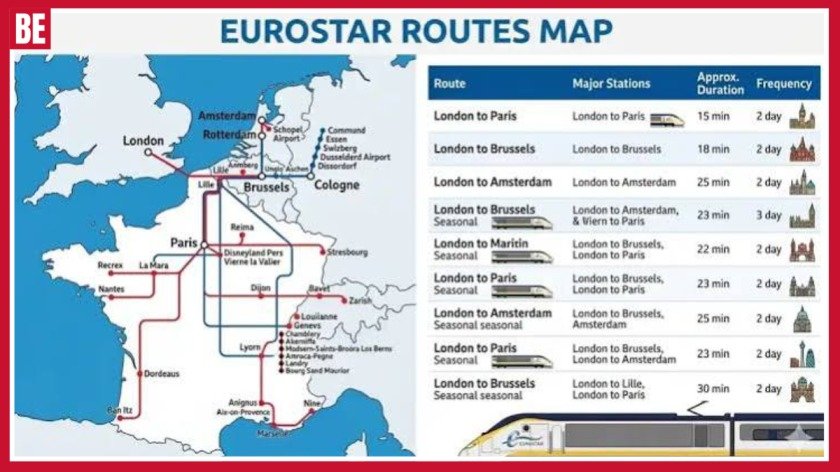
Eurostar has changed the way travelers from Britain travel across Europe, providing easy and speedy train service from London St Pancras International to some of the most exciting destinations on the continent. Be it romantic Paris or historical Brussels or even the lively cities of Amsterdam, modern Rotterdam and Lille, there are a number of choices that can be made depending on budget, time availability and choice of experience. This article discusses the various routes available, time taken by each route, stations, tickets and other tips about taking a Eurostar ride from London. If you are traveling for the first time.
What Happened During the June 2026 Heatwave?
The June 2026 heatwave became one of the UK’s most notable weather events of the summer. Early June was more changeable, with rain and showers affecting some areas. Temperatures were also closer to normal for the time of year. The weather pattern changed later in the month as high pressure brought longer periods of sunshine and warmer air.
Temperatures climbed quickly during the final week. Gosport reached 36.1°C on 24 June. Merryfield reached 36.7°C on 25 June. Santon Downham reached 37.3°C on 26 June before Lingwood in Norfolk recorded the verified maximum of 38.0°C.
The heat also affected Wales and Northern Ireland. Wales reached 35.1°C, while Northern Ireland reached 30.8°C. The nights were unusually warm too. Cardiff Bute Park recorded a minimum of 23.5°C, while Hastings recorded 23.2°C. Warm nights can make extreme heat harder to manage because homes have less time to cool down.
What Did the Met Office Predict and What Could Happen Next?
The Met Office uses different forecast periods to monitor UK weather. Short-range forecasts provide detailed information for the coming days. Longer outlooks focus on broader weather patterns. Both types of forecasts are useful, but they have different purposes.
The June event showed why weather forecasts can change. Early predictions could not guarantee the exceptional temperatures that eventually occurred. As high pressure strengthened and warmer air moved across the country, confidence in the extreme heat increased.
Another warm spell remains possible later in 2026. However, there is no confirmed date for another nationwide heatwave. Late August and early September are expected to bring more unsettled conditions in many areas. Rain and showers may affect parts of the UK, while temperatures should remain close to average overall.
BBC Weather, Regional Differences and Future Heatwave Predictions
BBC Weather can help people check local temperatures, rainfall, wind and general conditions. Local forecasts are especially useful during extreme heat because temperatures can vary considerably between different parts of the UK.
London, Manchester, Cardiff, Belfast and Edinburgh can experience very different conditions on the same day. Southern and eastern England can become particularly hot during prolonged high pressure. Coastal locations may remain cooler because of sea breezes, while higher areas can experience lower temperatures.
The June event showed these regional differences clearly. England reached 38.0°C, Wales reached 35.1°C and Northern Ireland reached 30.8°C. A single national temperature therefore cannot describe the weather experienced by everyone.
90 Day Weather Forecast UK 2026: How Reliable Is It?
A 90-day weather outlook can help people with long-term planning. It can show whether warmer, cooler, wetter or drier conditions may become more likely. However, it should not be treated as a precise forecast for every day.
Long-range predictions become less certain as the forecast period increases. A model may suggest above-average temperatures for a particular period, but that does not mean every day will be hot. Cooler days, rain and thunderstorms can still occur.
The same applies to heatwaves. A warm long-range signal does not automatically mean an official heatwave will happen. The timing and intensity usually become clearer when the event is closer. People should update their plans when newer forecasts become available.
How Can You Prepare for Another UK Heatwave?
Preparation becomes important when forecasts show a realistic chance of prolonged extreme heat. Simple changes can make hot weather easier to manage. People can adjust their daily routines and reduce exposure during the hottest hours.
Outdoor activities are often easier in the morning or evening. Walking, running and gardening can become tiring during the afternoon. Drinking water regularly can also help people manage prolonged hot conditions.
Homes can become very warm during a heatwave. Closing curtains or blinds during strong sunshine can reduce direct heat. Ventilation can help when the outside air becomes cooler. People should also check on those who may need extra support during extreme temperatures.
Useful preparation steps include:
- Check the latest local forecast.
- Monitor official heat warnings.
- Drink water regularly.
- Avoid strenuous activity during peak heat.
- Keep rooms shaded during the hottest hours.
- Ventilate rooms when outside air is cooler.
- Check on vulnerable family members.
- Give pets access to shade and water.
- Plan outdoor activities for cooler periods.
- Keep travel and event plans flexible.
Pros and Cons of Long-Range UK Weather Forecasts
Long-range forecasts can help people plan ahead. They may highlight periods that could be warmer, cooler, wetter or drier than average. This information can help with holidays, outdoor events and seasonal business planning.
Another advantage is early preparation. Event organisers can consider backup arrangements. Travellers can compare possible travel dates. Businesses can also think about potential weather-related risks before detailed forecasts become available.
However, long-range forecasts have limitations. They cannot guarantee the weather on a particular day months ahead. Predictions can change when new information enters the forecasting models.
Is Another UK Heatwave Possible in 2026?
Another UK heatwave remains possible during 2026. However, no specific future date can currently be guaranteed. Heatwaves require several weather conditions to develop together, including high pressure, warm air and prolonged sunshine.
The current outlook for late August and early September is more unsettled. Rain and showers may affect many parts of the country. Temperatures are expected to remain close to average overall, although short-lived warm spells can still develop.
Later September could become more settled in parts of southern and southeastern England. However, it is too early to call this a confirmed heatwave. The June event showed that conditions can change quickly, so regular forecast updates remain important.
Frequently Asked Questions
Is the Eurostar cheaper than a flight?
Eurostar can offer better overall value when airport transfers, baggage and travel time are included. Prices depend on the route, date and how early you book.
What UK stations does the Eurostar stop at?
Eurostar’s main UK departure station is London St Pancras International. Travellers from elsewhere in the UK can connect to St Pancras by domestic train.
What is the cheapest day to ride Eurostar?
Tuesdays and Wednesdays are often among the cheaper days to travel. Booking early and avoiding busy weekends can also help reduce fares.
Is Eurostar cheaper for over 60?
Senior fares are available on some continental Eurostar routes, but they do not apply to journeys to or from London. Over-60 travelers should check standard fares and available promotions.
What are the best Eurostar destinations from London?
Paris, Brussels, Amsterdam, Rotterdam and Lille are popular direct destinations from London. Each offers a different experience, from culture and food to shopping and short city breaks.
Conclusion
Traveling from London to Europe is made very simple and comfortable through the use of Eurostar trains with Paris, Brussels, Amsterdam, Rotterdam and Lille being some of the most common destinations. Travelers can end up saving quite a bit if they book early, travel on weekdays and compare travel times. Even though it is not always the most economical mode of transport compared to flights, the fact that Eurostar trains depart from the center of the cities and have a very simple journey process makes it worth the price. The departure station for the trains is London St Pancras International station.

Rip Off Britain is a highly rated BBC consumer program that looks into common challenges facing people in the UK. It addresses issues ranging from defective goods, holiday complaints, broadband problems, surprises, bills, bad customer care, among others, that may affect ordinary people. The real life stories of the program make understanding the challenges facing consumers easier, not to mention that lessons can be learned on complaining, looking at your contract, and taking care of your money. People will be looking for more about Rip Off Britain including where to find the latest show, presenters, BBC Website, among other things.
What Is the BBC Consumer Programme and Why Is It Popular?
The BBC consumer programme is built around real-life complaints and investigations involving products, services and businesses. Rather than concentrating on a single industry, it can cover everything from holidays and broadband to cars, property, food prices, insurance and household costs. BBC programme records show that the series has investigated a wide variety of consumer concerns over the years, making it relevant to people with very different purchasing experiences. Its broad subject range is one reason it has remained recognisable to UK audiences.
The programme is particularly effective because it presents complicated issues through personal stories. A consumer may have spent hundreds or thousands of pounds and still struggle to get a straightforward answer from a company. Another person may discover that the service they paid for does not match what they expected. By following individual cases, viewers can see how disputes develop, what evidence becomes important and why consumers should not automatically accept the first answer they receive from customer service.
Another reason for its popularity is the practical nature of the subject matter. Almost everyone buys something, pays bills, uses a mobile phone, books travel or signs a contract. This means that a programme about consumer problems can provide useful lessons even when a viewer has never experienced the exact same problem. Learning to save receipts, understand cancellation terms, check recurring payments and keep written records can help people prevent small problems from becoming expensive disputes.
BBC Website, Episodes and Today’s Episode
People searching for the official BBC programme website are often looking for episode information, the latest broadcast, presenter details or legitimate ways to watch the show. The BBC’s programme pages and listings are the best places to check current information because television schedules can change. Older search results may show programmes that have already aired, so checking the latest schedule can help readers find accurate broadcast times and episode descriptions.
If you are searching for today’s episode, it is useful to check:
- Today’s broadcast time and date
- The latest episode title and description
- Current BBC programme listings
- Available legitimate catch-up options
- Presenter information for the episode
- Whether an older episode is currently available to watch
The search for free online viewing is also common, but viewers should be careful with unofficial streaming websites. A page promising a free episode is not necessarily connected with the BBC and may contain misleading advertisements or unsafe downloads. The safest option is to use legitimate BBC viewing services when an episode is officially available. Episode availability can vary, particularly for older programmes, so viewers should always check the latest information rather than relying on outdated third-party listings.
Cast, Presenters and Presenters’ Ages
The phrase Rip Off Britain cast is frequently used by viewers searching for information about the people associated with the programme. Because this is factual television rather than a scripted drama, “presenters” is generally the more appropriate term. Angela Rippon, Gloria Hunniford and Julia Somerville are the broadcasters most strongly associated with the series, and BBC programme records list them presenting numerous editions.
The presenters play an important role in making complicated consumer stories accessible. They introduce investigations, speak to consumers, explain developments and bring in specialist information when necessary. Individual programmes can also feature journalists, experts, company representatives and members of the public. The people appearing can therefore vary depending on the subject of an episode. For example, travel journalist Simon Calder has appeared in holiday-related coverage, providing specialist insight into travel problems.
Searches for Rip Off Britain presenters ages are also common. Angela Rippon, Gloria Hunniford and Julia Somerville have all had long careers in British broadcasting. Their professional backgrounds are often more useful to readers than simply listing an age that will become outdated. If an exact age is included in an SEO article, it should be calculated from reliable current biographical information because a presenter’s age changes every year. Career history and programme involvement provide more lasting information.
How to Contact the Programme With a Consumer Problem
The search how to contact Rip Off Britain is particularly relevant for viewers who have experienced a serious consumer dispute. Someone may have bought a product that developed a major fault, experienced problems with a holiday booking, faced an unexpected charge or struggled to resolve an issue with a company. The programme has historically invited members of the public to share consumer stories, although submitting a case does not mean that it will necessarily be selected for television.
Before making contact, prepare the facts carefully. Explain what you bought, who supplied it, when the purchase happened, how much you paid and exactly what went wrong. Include a simple timeline showing when the problem occurred, when you complained and how the company responded. A short, organised explanation is much easier for a production team to understand than a long message containing every detail from the beginning of the dispute.
Evidence is extremely important. Keep receipts, invoices, contracts, booking confirmations, screenshots, photographs, emails, letters and complaint reference numbers. If the company made an important promise, keep the written evidence showing what was said. Avoid sending unnecessary passwords, bank details or other sensitive information. Most importantly, contacting a television programme should not replace the company’s own complaints procedure. Continue pursuing the appropriate formal route while considering whether your case might be relevant to consumer television.
Website Checker and Online Consumer Safety
The phrase Rip Off Britain website checker can be confusing because people may use it to search for a tool that checks whether a website or business is genuine. Consumers should not automatically assume that a website using the programme’s name is officially connected with the BBC. Search-engine results can include independent websites, old pages and commercial sites that use popular programme-related terms to attract visitors.
When checking an online seller, look carefully at the company’s identity, contact details, payment arrangements, terms and conditions and cancellation information. Be particularly cautious when a website pressures you to make an immediate purchase or claims that an offer will disappear within minutes. A very large discount is not automatically proof of a scam, but it should encourage you to investigate the seller before paying. Check the complete cost rather than focusing only on the headline price.
Consumers should also be careful when searching for free television content online. A website claiming to provide an episode without charge is not necessarily an authorised BBC service. Avoid downloading unknown software or providing financial information merely to watch a programme. When looking for BBC programme information, use official BBC resources. When checking a retailer, investigate the retailer itself. Separating these two tasks can help prevent consumers from confusing genuine programme information with unrelated websites.
Real-Life Consumer Problems, Benefits, Pros and Cons
The programme has covered many different types of consumer problem, which is one of its strongest features. Holiday disputes can involve airlines, hotels, travel companies and transfer providers, while broadband complaints can involve service speeds, outages, contracts and price changes. Property investigations can involve defects in new homes, while vehicle stories may involve questions about condition, history or safety. The BBC’s programme records demonstrate this wide-ranging approach to consumer journalism.
One major benefit is that viewers can learn from someone else’s experience. A person watching a holiday complaint may decide to save booking documents and photographs. Someone watching a broadband investigation may start recording service problems and keeping customer-service reference numbers. A homeowner may realise the importance of photographing defects and maintaining a written timeline. These lessons can be useful even when the viewer never experiences exactly the same situation.
There are also limitations. Television has limited time, so a complicated dispute may have to be simplified for viewers. A case that appears similar to your own could involve different contracts, dates, companies or evidence. The programme should therefore be treated as consumer education rather than individual legal advice. Its value comes from showing viewers what questions to ask and what evidence can matter, while consumers should check current official guidance before taking significant action.
Is the Programme Worth Watching?
Yes, it is worth watching for anyone interested in consumer rights, practical money-saving ideas and real-life complaints. Its biggest advantage is that it discusses issues people can actually encounter. A problem with a holiday, phone contract, household bill, appliance or property purchase can be stressful because consumers often do not know where to begin. Seeing a similar situation presented clearly can make the problem feel more manageable.
The programme can also encourage better habits before a complaint ever happens. Before making a major purchase, consumers should research the seller, compare the total price, read important terms and save evidence of what was advertised. After purchasing, they should check bills, monitor recurring payments and act quickly when something appears incorrect. For expensive purchases, keeping photographs, receipts and written communications can make a substantial difference if a dispute develops later.
However, viewers should not expect television coverage to solve every complaint. A production team cannot investigate every case, and a business is not automatically required to change its position because a television programme becomes involved. The strongest approach is to use the programme as an educational resource while handling your own complaint through the appropriate channels. Overall, it offers useful consumer awareness and encourages people to become more confident, organised and careful with their money.
Frequently Asked Questions
What has happened to Angela Rippon?
Angela Rippon stepped back from the programme after many years as a presenter. Louise Minchin later joined the presenting team.
Why is it called Rip Off Britain?
The name comes from the phrase “rip-off”, referring to something considered unfair, overpriced or poor value.
Is Rip Off Britain still running?
Yes, the BBC consumer programme has continued with changes to its presenting team. Check the latest BBC schedule for current episodes.
Who were the three original presenters?
The original presenters were Angela Rippon, Gloria Hunniford and Jennie Bond. Julia Somerville later replaced Jennie Bond.
How can I contact the programme?
Check the latest BBC programme information for current contact details. Prepare your consumer story and keep supporting evidence such as receipts and correspondence.
Conclusion
Rip Off Britain continues to be a valuable BBC consumer programme for those who need practical information on complaints, bad deals, defective goods, vacations, and customer services. Practical investigations presented in the programme may help the viewer understand his/her rights and become more confident in dealing with firms. Moreover, Rip Off Britain has been evolving and new presenters have been added to the already famous team of the programme. Be it searching for programmes, today’s programmes, presenters or ways of contacting the production team, one should always consult current BBC information. But above all, one should save receipts, contracts.

Victoria Graham Biography Early Life Marriage Personal Background BBC Career

Caroline Crowther Biography Marriage Phil Lynott Family Background Life Beyond Fame

Martin Bojtos Biography Media Career Marriage Kate Lawler Family Background Personal Life
-

 Celebrity3 months ago
GB News Presenters Female Current Hosts Newsreaders and Journalists
-

 Celebrity3 months ago
Shefali Oza Biography Age BBC Career Husband and Net Worth
-

 Celebrity4 months ago
Good Morning Britain Presenters Today’s Hosts and Political Team
-

 Celebrity3 months ago
Rip Off Britain Presenters Ages Cast Hosts and Everything You Need to Know
-

 Things To Do4 months ago
Universal Studios Great Britain Opening Date Rides Map and Location
-
 Uncategorized4 months ago
Pride of Britain Awards How to Nominate a UK Hero
-

 Celebrity2 months ago
Alfie Buttle Age Real Name Height Career Family Net Worth
-

 Uncategorized4 months ago
Great Britain at the Winter Olympics Medals Full History