
Destinations
When Did the Romans Leave Britain Complete History and Timeline


The Romans had ruled most of Britain for nearly 400 years before their retreat, having come to power during the main invasion of 43 AD and continuing until their effective withdrawal of power in about 410 AD. The Romans’ influence on Britain was demonstrated by roads, towns, forts, trade, law and administration systems. But the Roman presence did not disappear abruptly, and there were many aspects of Roman culture which survived even after the Roman forces and administrative system left. It is necessary to know about this crucial change in order to understand what took place in Britain after the Romans.
When Did the Romans Arrive in Britain and When Did They Leave?
The Romans first became involved with Britain when Julius Caesar made expeditions to the island in 55 and 54 BC. However, these visits did not establish permanent Roman rule. The major conquest began in AD 43, when Emperor Claudius sent a large Roman army to Britain. Roman forces gradually conquered much of the island, although some areas remained outside direct Roman control.
Key Dates in Roman Britain
- 55 BC: Julius Caesar made his first expedition to Britain.
- 54 BC: Caesar returned for a second expedition.
- AD 43: Emperor Claudius launched the major Roman invasion.
- AD 122: Construction of Hadrian’s Wall began.
- AD 383: Magnus Maximus took troops from Britain.
- Around AD 407: Constantine III removed further troops from Britain.
- AD 410: Roman imperial government effectively ended in Britain.
The traditional date for the end of Roman government is AD 410, but this was not the exact day when every Roman soldier left Britain. Roman military power had already weakened through earlier troop withdrawals and political crises. Therefore, AD 410 is best understood as the conventional date marking the end of Roman administration rather than a sudden mass departure.
The contrast between AD 43 and AD 410 shows how long Roman influence lasted. Several generations of Britons were born and raised under Roman rule, meaning Roman customs became deeply connected with everyday life in many communities. Roads, buildings, coins, Christianity, trade and administrative practices continued to influence Britain even after the imperial government disappeared.
Why Did the Romans Leave Britain for Kids and KS2?
For children asking why did the Romans leave Britain for kids, the simplest explanation is that the Roman Empire became increasingly difficult to defend. Rome controlled a huge territory and faced attacks, political conflicts and military challenges in many different regions. Soldiers stationed in Britain were needed elsewhere, reducing the number of troops available to defend the province. Britain was also far from the main centres of Roman government, making it difficult and expensive to maintain a strong military presence.
Around AD 407, Constantine III took troops from Britain to Gaul during his attempt to become emperor. This further weakened Roman military protection on the island. For when did the Romans leave Britain KS2, the key date is AD 410, but pupils should understand that the withdrawal happened gradually. There was no single battle that forced Rome to abandon Britain; instead, political instability, military pressure and wider problems within the Roman Empire eventually made continued Roman government impossible.
Another important point for children is that the Roman Empire had to protect many different borders at the same time. When soldiers were moved from Britain, there were fewer troops available to respond to threats on the island. The Romans were not simply choosing to abandon a peaceful province; they were dealing with a wider crisis in which maintaining control over distant territories became increasingly difficult.
What Happened to Britain After the Romans Left?
The answer to what happened to Britain after the Romans left is more complicated than saying that Roman life disappeared. Many people continued living in Britain, while Roman roads, buildings and settlements remained useful. Some towns became smaller because the Roman army, government and long-distance trade networks were no longer operating at their previous level. Local British rulers became increasingly important because there was no longer a central Roman administration controlling the province.
Christianity also survived after Roman government ended, while farming communities continued producing food and supporting local settlements. Some Roman villas and buildings were abandoned, while others were reused for new purposes. During the fifth and sixth centuries, Anglo-Saxon settlers became increasingly influential in eastern and southern Britain, while British kingdoms survived in other parts of the island. These developments gradually created the political landscape of early medieval Britain.
The countryside remained especially important during this transition. Most people depended on farming, so agricultural communities could continue even when Roman political structures weakened. Some settlements became more local and less connected to the large imperial economy. Over time, different regions developed their own leaders, customs and political identities, creating a more divided Britain.
The End of Roman Rule in Britain: What Changed?
The end of Roman rule in Britain is traditionally associated with AD 410 and the Rescript of Honorius. This is generally interpreted as evidence that Britain could no longer rely on the Roman government for military protection and would need to organise its own defence. Roman authority had already weakened during previous decades, with military leaders removing troops from Britain during political struggles.
The loss of Roman government affected towns, trade and administration as well as defence. Some urban centres declined because they depended on Roman military and economic systems, while local communities became more important. Even so, Roman influence did not disappear immediately. Roads continued to be used, buildings were reused, Christianity survived and some Roman traditions remained part of everyday life.
The political change was particularly significant because Britain no longer had officials governing the province on behalf of the Roman emperor. Local rulers gained greater freedom to control land and communities. This helped create a more fragmented political landscape in which different leaders competed for influence and protection.
What Happened After the Romans Left Britain KS2 History Guide?
For pupils searching what happened after the Romans left Britain KS2, the main point is that Britain became more politically divided. Without the Roman army and central government, local communities had to organise their own defence and administration. Some Roman towns declined, while other settlements continued to be occupied. Roman roads remained useful because they provided established routes for travel and communication.
Anglo-Saxon communities gradually became more powerful in eastern and southern Britain, while British kingdoms continued in western and northern areas. Kingdoms such as Wessex, Mercia and Northumbria later became major political powers. Britain did not immediately become England after Roman rule ended. Instead, several centuries of migration, warfare, alliances and political development eventually contributed to the creation of a united English kingdom.
For KS2 pupils, a simple timeline can make the period easier to remember: AD 43 — Roman invasion; AD 122 — Hadrian’s Wall begins; AD 383 — troops are taken from Britain by Magnus Maximus; around AD 407 — Constantine III removes troops; AD 410 — Roman government effectively ends. After this, British and Anglo-Saxon kingdoms gradually developed across different parts of the island.
Who Was the First King of England After the Romans Left?
There was no immediate first King of England after the Romans left, because England did not yet exist as one united kingdom in AD 410. Different British rulers and Anglo-Saxon leaders controlled separate territories, and several Anglo-Saxon kingdoms gradually developed. These kingdoms competed for land and influence, with rulers gaining power through warfare, alliances and royal succession.
Æthelstan, who ruled from AD 924 to 939, is commonly regarded as the first king of a united England. His reign occurred more than five centuries after the traditional end of Roman government. Earlier rulers such as Alfred the Great helped strengthen Anglo-Saxon political power, but England’s eventual unification was a long process rather than an immediate consequence of the Roman withdrawal.
This long gap is important when studying British history. The Romans did not leave Britain and then immediately hand control to an English king. Instead, many generations passed before England became politically united. Understanding this timeline prevents the common mistake of placing Æthelstan directly after Roman rule.
Frequently Asked Questions About Roman Britain
Who ruled Britain after the Romans left?
After AD 410, Britain was divided among local British rulers and emerging Anglo-Saxon kingdoms. There was no single king ruling the whole island.
How long did the Romans rule the UK?
Roman rule lasted for almost 400 years, from AD 43 to around AD 410. However, some areas remained outside direct Roman control.
How common was homosexuality in the Roman Empire?
Same-sex relationships existed in Roman society, although Roman attitudes differed from modern ideas about sexuality. Social status and gender roles strongly influenced these relationships.
Who came first, Vikings or Romans?
The Romans came first, with the major invasion of Britain beginning in AD 43. Viking raids began centuries later, particularly from the late eighth century.
What happened after the Romans left?
Local British rulers gained power while Anglo-Saxon kingdoms gradually developed. Roman roads, buildings and Christian traditions continued to influence Britain.
Conclusion
The fall of the Romans was a significant stage in the history of Britain. The Roman system ceased to exist about AD 410, following more than 350 years of domination which had brought about great changes in Britain with regard to infrastructure, cities, forts, trading, and administration. Nevertheless, the culture of the Romans did not fade overnight. Local British chiefs became more influential, and Anglo-Saxon groups started creating kingdoms in various places. Roman infrastructure, buildings, religion, and other customs continued to affect people for many years. Thus, Britain did not experience any abrupt changes following the withdrawal of the Romans.

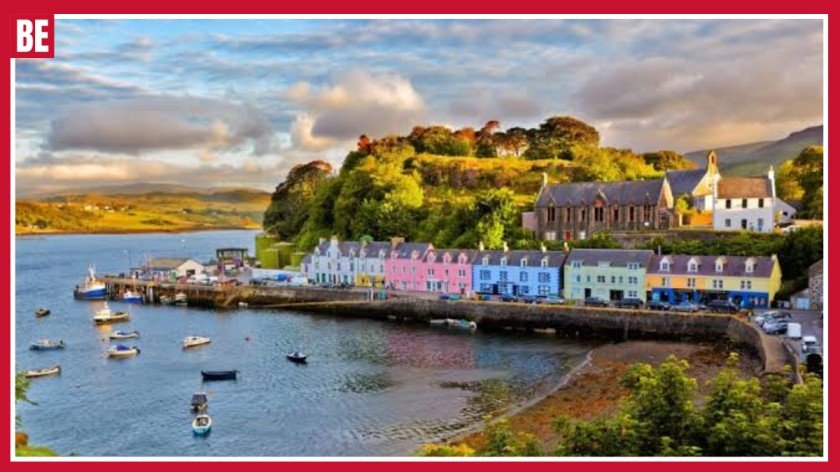
Choosing where to go in the UK can be harder than it sounds. There are charming villages, lively cities, dramatic coastlines, peaceful countryside and historic landmarks waiting to be explored. Whether you are planning a romantic weekend, a family holiday, a trip with friends or a solo adventure, there is plenty to discover. The best places to visit in UK offer something for every type of traveller and every budget. In this guide, we look at popular destinations as well as beautiful spots you may not have considered. You will find practical ideas to help make your next UK trip memorable.
Best Places to Visit in UK: Top Destinations
The UK has a remarkable range of destinations, so choosing where to go depends on the type of experience you want. London is ideal for major attractions, museums, restaurants and entertainment, while Edinburgh offers medieval streets, historic architecture and dramatic views. Bath appeals to travellers who enjoy elegant buildings, Roman history and relaxing experiences. York provides medieval charm, fascinating museums and atmospheric streets. These cities are especially convenient for visitors who prefer walking, public transport and short city breaks rather than driving long distances.
For travellers who prefer scenery, the Lake District, Scottish Highlands and Eryri offer mountains, lakes, valleys and outdoor adventures. Cornwall provides beaches, cliffs and coastal villages, while the Cotswolds are known for stone villages and rolling countryside. Northumberland combines beaches, castles and open landscapes, and Pembrokeshire offers coastal walks and beautiful beaches. These destinations are particularly suitable for road trips, hiking holidays, photography trips and peaceful breaks away from busy city centres.
Other strong options include Liverpool, Manchester, Bristol, Cardiff, Belfast, Brighton, Oxford, Cambridge, the Peak District and the New Forest. Each destination has a different personality, so it is worth choosing according to your interests rather than simply following a list of famous attractions. A history lover may prefer York or Oxford, while a beach lover could choose Cornwall or Brighton. Families might prefer London or North Wales, whereas couples may enjoy Bath or the Cotswolds.
Best Places to Visit in UK for Couples
Couples have plenty of choices for romantic holidays across Britain, from elegant cities to peaceful countryside and dramatic coastlines. Bath is an excellent option for a relaxing break, with Georgian architecture, historic attractions, restaurants and spa experiences. The Cotswolds provide a quieter atmosphere, with picturesque villages, country pubs, gardens and walking routes. Couples can create a simple itinerary that combines scenic exploration with long meals and time to relax.
The Lake District is another excellent choice for couples who enjoy nature and outdoor activities. A day could include a lakeside walk, a scenic drive, a boat trip or a visit to a traditional village. Cornwall offers a different kind of romantic experience, with beaches, coastal paths, seafood restaurants and sunset views. Edinburgh also works well for couples who prefer a city break, combining historic streets, viewpoints, restaurants and cultural attractions within a relatively compact area.
Oxford and Cambridge are ideal for couples interested in architecture, history and traditional British atmosphere. Brighton provides a livelier seaside experience, with independent shops, restaurants, entertainment and coastal walks. The important thing when planning a romantic trip is to avoid creating an overly crowded schedule. Leaving time for relaxed meals, spontaneous walks and quiet experiences can make a short break feel much more special.
Top 10 Places to Visit in UK for Families and Kids
Families need destinations that offer activities for different ages while keeping travel arrangements reasonably simple. London is one of the most flexible choices because it provides museums, parks, historic attractions, river experiences and entertainment. Edinburgh is another good option, combining castles, museums and historic streets with plenty of outdoor space. York can make history more engaging for children through its medieval streets, city walls and family attractions.
Cornwall is particularly useful for families who want a beach holiday. Children can enjoy beaches, swimming, surfing lessons and coastal adventures, while parents can explore villages and restaurants. The Lake District offers boating, gentle walks and scenic countryside, while North Wales combines castles, beaches, mountains and adventure activities. Cardiff and Chester can also work well for shorter family breaks because their central attractions can be explored without extensive travel.
The New Forest is ideal for families who prefer outdoor activities such as cycling, woodland walks and wildlife spotting. Bournemouth provides a classic seaside experience, while Liverpool and Manchester offer museums, cultural attractions and entertainment for older children. Parents should avoid filling every hour with activities. Children often enjoy holidays more when they have time for snacks, rest, free play and unexpected discoveries between planned attractions.
Top 10 Beautiful and Magical Places in UK
The UK is full of places that feel almost magical, from misty mountains and peaceful lakes to dramatic coastlines and charming villages. The Lake District is ideal for scenic walks, while the Scottish Highlands offer vast landscapes and unforgettable views. Cornwall brings together sandy beaches, rugged cliffs and pretty seaside towns.
The Cotswolds, with its honey-coloured cottages and quiet lanes, is another favourite for travellers seeking a slower pace:
- Lake District, England
- Scottish Highlands, Scotland
- Cotswolds, England
- Cornwall, England
- Eryri (Snowdonia), Wales
- Isle of Skye, Scotland
- Yorkshire Dales, England
- Northumberland Coast, England
- Giant’s Causeway, Northern Ireland
- Peak District, England
These destinations each have their own character, so the right choice depends on what you want from your trip. Some are perfect for hiking and outdoor adventures, while others suit relaxing breaks, photography or peaceful countryside escapes. Visiting outside the busiest periods can also make these beautiful places feel quieter and more personal.
Best Places to Visit in UK for Young Adults
Young adults often look for destinations that combine culture, entertainment, food, music, nightlife and opportunities to meet people. London provides the broadest choice, with live music, theatres, markets, galleries, restaurants and evening venues. Manchester is another popular option for travellers interested in music, football, restaurants and nightlife. Liverpool combines a major musical heritage with museums, waterfront attractions, independent venues and a lively evening scene.
Brighton offers a strong mixture of seaside atmosphere, independent shops, restaurants and entertainment. Bristol is appealing to travellers interested in street art, music, creative culture and food. Edinburgh combines history and architecture with restaurants and nightlife, making it suitable for a weekend with friends. Cardiff provides a compact city centre with cultural attractions, restaurants, sporting experiences and evening entertainment.
Young adults who prefer adventure rather than nightlife can consider Cornwall, the Peak District, North Wales or the Scottish Highlands. Surfing, hiking, cycling, climbing and scenic road trips can provide memorable alternatives to city breaks. Budget is also important when choosing a destination, as accommodation and transport can vary considerably. A slightly less famous city with affordable accommodation may provide better overall value than an expensive destination during peak periods.
How to Choose the Right UK Destination for Your Trip
The easiest way to choose a destination is to begin with your travel priorities. Couples may want romantic scenery, restaurants and peaceful accommodation, while families may need attractions, easy transport and activities suitable for children. Young adults may prioritise nightlife, music and affordable experiences. Nature lovers can focus on national parks, mountains and coastlines, while history enthusiasts may prefer cities such as York, Bath, Oxford or Edinburgh.
If you are searching for best places to visit in UK near me, think about travel time as well as popularity. A destination within a few hours of your starting point can be much more practical for a weekend than travelling across the country. Regional trips can also provide excellent experiences without requiring expensive flights or complicated connections. Consider nearby beaches, historic towns, countryside areas and national parks rather than limiting your search to major cities.
There are several benefits to exploring different parts of Britain. You can combine city sightseeing with countryside walks, beaches with historic towns and cultural experiences with outdoor adventures. The main disadvantages are transport costs, unpredictable weather and longer journey times in rural regions. For a seven-day holiday, focus on one or two regions rather than trying to cover the whole country. For two weeks, you can comfortably combine several destinations if you plan sensible travel days and avoid changing accommodation every night.
- Also Read. Robert Attenborough Age Family and Career
(FAQs)
What is the prettiest place in the UK?
The Lake District, Cotswolds, Scottish Highlands and Cornwall are among the UK’s most scenic destinations.
What are the 7 Wonders of the UK?
There is no official list of seven UK wonders, so different sources feature different landmarks and natural attractions.
What are the top 30 places to visit in the UK?
Popular choices include London, Edinburgh, Bath, York, Cornwall, the Lake District, Cotswolds, Eryri and the Scottish Highlands.
What are the 10 most beautiful cities in the UK?
Edinburgh, Bath, York, Oxford, Cambridge, London, Bristol, Brighton, Chester and Cardiff are notable choices.
Which UK destinations are best for families?
London, Cornwall, York, Edinburgh, the Lake District and North Wales offer varied attractions for families and children.
Conclusion
The UK offers an incredible mix of historic cities, beautiful countryside, dramatic coastlines and memorable cultural experiences. Couples can enjoy romantic escapes in Bath, Cornwall or the Cotswolds, while families can explore London, York, Edinburgh and North Wales. Young adults can discover lively cities such as Manchester, Liverpool, Brighton and Bristol, while nature lovers can explore the Lake District, Scottish Highlands and Eryri. With so many different landscapes and attractions, every traveller can create a holiday that matches their interests and budget. The key is to plan realistically, choose suitable destinations and allow enough time to enjoy each place without rushing.
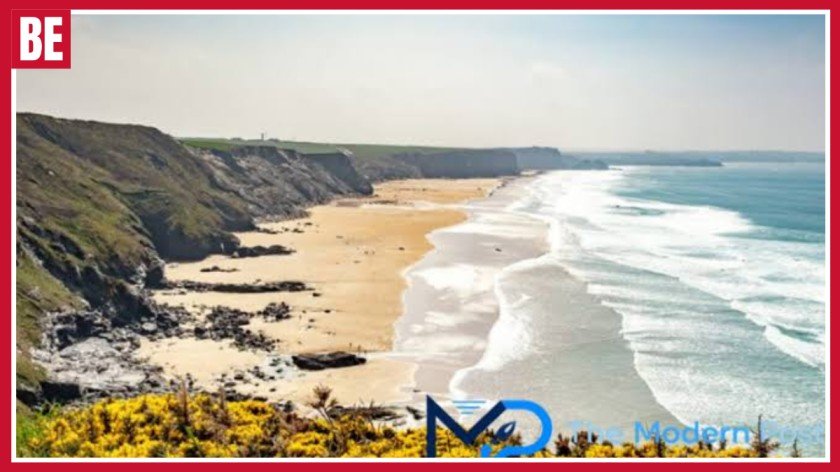
There is something special about a day at the British seaside, whether you fancy walking along golden sands, exploring a quiet cove or simply listening to the waves. The best beaches in UK destinations offer plenty of choice, from Cornwall’s dramatic coastline and Devon’s family-friendly shores to peaceful Welsh bays and wild Scottish beaches. You do not have to travel abroad to enjoy beautiful coastal scenery. Families, couples, surfers, walkers and photographers can all find somewhere that suits them. Before setting off, it helps to think about travel time, parking, facilities, tides and weather. With a little planning, a UK beach trip can become a genuinely memorable escape.
Best Beaches in UK 2026: Top Coastal Destinations
The best beaches in UK 2026 selection includes famous destinations as well as less obvious coastal escapes. Porthcurno in Cornwall combines soft sand with steep cliffs and dramatic scenery, while Woolacombe in Devon offers a broad shoreline and traditional holiday atmosphere. Rhossili Bay in Wales provides spectacular views across the Gower Peninsula, and Holkham in Norfolk gives visitors a huge sense of space. These beaches demonstrate how dramatically the British coastline can change from one region to another.
Cornwall remains particularly appealing for travellers interested in surfing, coastal walking and scenic coves. Fistral Beach near Newquay attracts surfers, while Porthcurno appeals to visitors who want dramatic landscapes and photography opportunities. Devon offers family-friendly resorts and extensive coastal paths, with Woolacombe providing a useful combination of beach space and local facilities. Wales adds rugged scenery and quieter destinations, while Scotland offers open landscapes and remote Highland beaches.
Choosing a beach for 2026 should involve more than popularity. Consider how long the journey will take, whether parking is available and what facilities exist nearby. Families may prioritise toilets, food options and easy access, while walkers may care more about coastal paths and natural scenery. Surfing visitors should research local conditions, and anyone planning to swim should check current safety information. Matching the destination to your plans can make a greater difference than choosing the most famous name.
Top 10 Best Beaches in UK for Different Travel Styles
The phrase top 10 best beaches in UK is useful for travellers who want a quick starting point, but every beach offers something different. A family beach may need excellent facilities, while a photographer may prefer dramatic cliffs and peaceful views. Surfers often care more about waves and coastal conditions than restaurants or parking.
The following destinations cover a range of travel styles rather than suggesting that one beach is better than every other:
- Porthcurno, Cornwall – Best for dramatic scenery and photography
- Woolacombe, Devon – Great for families and long sandy walks
- Rhossili Bay, Wales – Ideal for coastal views and walking
- Barafundle Bay, Wales – Suits visitors seeking a quieter setting
- Fistral Beach, Cornwall – A popular choice for surfing
- Holkham Beach, Norfolk – Excellent for dunes, space and nature
- West Sands, Scotland – Great for long walks beside the sea
- Achmelvich Beach, Scotland – Ideal for remote coastal scenery
- Tenby, Wales – Combines beaches with a historic seaside town
- Bournemouth, England – Convenient for families and traditional seaside trips
Each destination has different advantages, so travellers should consider location, journey time and planned activities before making a choice. A beach that looks spectacular in photographs may not be practical for a short family day trip. Likewise, a busy resort can be ideal for one traveller but less suitable for someone looking for peace and quiet.
Best Beaches in UK Near London and Best Beaches Near Me
For London residents and visitors, finding the best beaches in UK near London can make seaside travel much easier. Cornwall and Scotland offer impressive landscapes, but they generally require more time and planning for a day trip. Brighton provides a combination of coastline, restaurants, shops and attractions, while Whitstable offers a different coastal atmosphere with independent businesses and places to eat. Camber Sands provides extensive sandy areas and can feel more like a traditional beach escape.
Other destinations worth considering include Broadstairs, Margate, Folkestone, West Wittering and Cuckmere Haven. The right option depends on whether you want sand, scenery, swimming, walking or a mixture of seaside and town activities. Some destinations are more convenient by train, while others work better by car. Journey times can also change significantly during weekends and school holidays, so checking transport conditions before leaving is important.
People searching for best beaches near me should also look beyond simple distance. The nearest coastline may have limited parking, difficult access or few facilities, while another beach slightly farther away could offer better transport and a more comfortable day. Check parking, toilets, cafés, tide times, weather and local access rules before travelling. Families should pay particular attention to journey length because long travel times can reduce the amount of time available for enjoying the beach.
Best Beaches in UK Map: Explore Britain by Region
A best beaches in UK map can help travellers understand how widely coastal attractions are distributed across Britain. The South West is particularly strong for beaches, with Cornwall and Devon offering surfing locations, sandy coves, cliffs and traditional seaside resorts. The South East provides convenient destinations for London travellers, including Brighton, Whitstable, Camber Sands and West Wittering. Thinking geographically makes it easier to plan a realistic route rather than trying to visit unrelated destinations across the country.
Wales offers a distinctive combination of beaches, cliffs and coastal paths, particularly around Pembrokeshire and the Gower Peninsula. Northern England provides dramatic coastal landscapes, with Northumberland offering beaches near historic landmarks such as Bamburgh Castle. Scotland has everything from accessible beaches near towns to remote Highland shores and island coastlines. Northern Ireland also provides striking coastal scenery, making the wider UK coastline much more varied than a simple list of popular English resorts suggests.
Regional planning is particularly useful for longer holidays. Instead of choosing individual beaches from opposite ends of Britain, travellers can select several destinations within one area and reduce driving time. A Cornwall itinerary might combine Porthcurno and Fistral, while a Welsh trip could include Tenby, Barafundle Bay and Rhossili Bay. A Scottish road trip could combine beaches with mountains, villages and historic attractions. This approach creates a more efficient holiday while allowing visitors to experience different types of coastline.
Best Beaches in UK for Families, Couples and Outdoor Activities
The best beaches in UK for families need to offer more than attractive scenery. Parents often need toilets, cafés, parking, easy access and activities that can keep children occupied throughout the day. Bournemouth, Woolacombe and Tenby provide useful combinations of sandy beaches and visitor infrastructure. Families should also consider whether the route from the car park or station is manageable with young children, pushchairs and beach equipment.
Couples and travellers seeking quieter experiences may prefer destinations such as Porthcurno, Rhossili Bay or Barafundle Bay. These locations provide opportunities for scenic walks, photography and peaceful time beside the coast. Visiting outside the busiest summer periods can make popular locations feel more relaxed. Couples can also combine a beach visit with nearby restaurants, historic attractions or coastal walks to create a fuller day rather than spending every hour directly on the sand.
Outdoor enthusiasts have many options beyond swimming. Fistral is associated with surfing, while Holkham and Rhossili are attractive for walking and landscape photography. Coastal areas can also provide opportunities for paddleboarding, wildlife watching, birdwatching and nature photography. Before choosing a destination, check local conditions and access arrangements. A beach may be excellent for walking but unsuitable for swimming, or perfect for surfing but less comfortable for a young family.
Pros, Cons and Practical Tips for a UK Beach Trip
One of the biggest advantages of Britain’s coastline is its variety. Travellers can choose busy seaside resorts, peaceful coves, wide sandy beaches, surfing destinations and remote coastal landscapes. Many beaches can also be combined with other attractions, including historic towns, museums, castles, restaurants and nature reserves. This means a beach trip does not have to involve spending the entire day beside the water, which is useful when weather conditions change.
Accessibility is another benefit, particularly for travellers who do not want international travel. Many coastal destinations can be reached by road or public transport, making them practical for weekends and day trips. However, popular beaches can become crowded during warm weekends and school holidays. Remote beaches may have limited parking and few facilities, while coastal weather can change quickly. Tides can also alter the available beach area and affect access to some locations.
Before travelling, check the forecast, tide information and transport conditions. Take suitable layers, water, sunscreen, towels and footwear appropriate for sand or coastal paths. If you are travelling with a dog, check seasonal restrictions because access rules can vary between beaches. Visitors should also respect wildlife, follow local signs and use designated paths. Simple preparation can prevent common problems and make a coastal day considerably more enjoyable.
Is Visiting Britain’s Coastal Beaches Worth It?
A British beach trip can provide excellent value because visitors can combine natural scenery, outdoor activities and local attractions without travelling overseas. A day beside the sea can include a coastal walk, time on the sand, lunch at a local café and sightseeing in a nearby town. Longer breaks can add surfing, wildlife watching, photography or visits to historic sites. This flexibility makes coastal destinations suitable for different budgets and travel styles.
Timing can make a major difference to the experience. Summer generally provides longer daylight and better opportunities for outdoor activities, but popular locations can become busy. Spring and early autumn may offer quieter surroundings, although visitors should prepare for cooler or wetter conditions. Weather should always be checked before travelling because coastal conditions can change rapidly. Flexible plans are particularly useful when visiting exposed beaches where wind and rain can affect activities.
The best beaches in uk destinations ultimately depend on what each traveller wants from a coastal trip. Families may prioritise facilities and accessibility, surfers may focus on waves and local conditions, and photographers may prefer dramatic cliffs or wide open landscapes. Couples might look for quieter scenery and attractive coastal walks. By comparing location, facilities, activities, weather and journey time, visitors can choose a destination that fits their needs rather than relying only on popularity.
- Also Read. Places to Visit in London Top Attractions
(FAQs)
What is the number one beach in the UK?
Porthcurno is often praised for its dramatic scenery, soft sand and beautiful coastal setting.
The best choice can vary depending on your travel plans and preferred experience.
What are the top 5 beaches in the UK?
Popular choices include Porthcurno, Woolacombe, Rhossili Bay, Barafundle Bay and Fistral Beach.
They offer different experiences, including family days, surfing, walking and scenic views.
What are the top 10 beach towns in the UK?
Popular seaside towns include Brighton, Bournemouth, Newquay, Tenby, St Ives, Whitby, Scarborough, Blackpool, Margate and Southend-on-Sea.
They combine beaches with restaurants, attractions, shops and accommodation.
What are the cleanest beaches in the UK?
Cleanliness varies by location, season and local management.
Visitors should check current local water-quality information before swimming.
Which UK beaches are best for families?
Woolacombe, Bournemouth and Tenby offer sandy shores, facilities and nearby attractions.
Families should check tides, weather and local safety information before visiting.
Conclusion
The UK has no shortage of beautiful beaches, and each one offers something a little different. From Cornwall’s dramatic coastline to Devon’s sandy shores, Wales’ peaceful bays and Scotland’s wild scenery, there is a seaside spot for every kind of traveller. Families can enjoy beaches with useful facilities, while couples, walkers and photographers may prefer quieter places with stunning views. Before setting off, check the weather, tides, parking and local safety advice. A little planning can make a big difference. Whether you are planning a day trip or a coastal holiday, the right beach can create memories you will want to return to.

When winter settles over the UK, it is easy to dream of blue skies, warmer days and a few hours on a sunny beach. Choosing the right winter sun destinations is about more than simply finding somewhere hot. Flight times, prices, rainfall, sea temperatures and things to do can all shape your experience. Some travellers want a quick escape to a European island, while others would rather fly farther for tropical beaches and warmer seas. Couples may want a peaceful romantic break, while families often look for convenient resorts and activities. This guide explores 20 warm places to help you plan a winter getaway that suits your budget and travel style.
20 Warm Winter Sun Destinations Places to Escape the Cold
There are many places around the world where travellers can enjoy more sunshine during the UK winter. The best choice depends on whether you want mild Mediterranean weather, warm beaches, cultural experiences or a tropical escape. Tenerife, Gran Canaria, Lanzarote and Fuerteventura are particularly convenient for travellers from the UK because they combine relatively short flight times with a wide selection of hotels and holiday resorts. Madeira provides a more scenic experience, with mountains, gardens, walking routes and coastal viewpoints. Malta and Cyprus can also work well for travellers who want a mixture of sightseeing, food, history and pleasant weather.
Travellers who want warmer temperatures can look farther south. Cape Verde is popular for beach holidays and relaxed resort stays, while Egypt combines sunshine with Red Sea resorts, snorkelling, diving and famous historical attractions. Morocco offers a mixture of markets, architecture, food and coastal areas, making it suitable for travellers who want more cultural variety. Dubai provides beaches alongside modern attractions, restaurants and shopping. Oman is another option for visitors interested in dramatic landscapes, beaches and traditional culture. These destinations can provide a stronger feeling of escaping the European winter.
For travellers willing to make a longer journey, Asia, the Caribbean and the Indian Ocean provide even more tropical options. Thailand offers beaches, islands, temples, markets and excellent food, while Goa combines tropical scenery with a distinctive cultural atmosphere. The Maldives is focused heavily on beaches, relaxation and resort experiences. Barbados provides Caribbean beaches, food and local culture, while Mauritius combines beaches with mountains, lagoons and outdoor activities. The Dominican Republic can also suit travellers looking for a warm resort holiday. The important point is to choose according to the type of holiday you want rather than temperature alone.
European Winter Sun Destinations Breaks and January Sunshine
Europe is often the easiest place to start when planning a warm-weather break from Britain. Shorter flights mean less time spent travelling and can make a three- or four-night holiday practical. The Canary Islands are particularly popular because their location gives them a warmer climate than much of mainland Europe during winter. Tenerife offers beaches, restaurants, attractions and mountain scenery, while Gran Canaria combines resorts with countryside and historic areas. Lanzarote is known for its volcanic landscapes, and Fuerteventura is especially attractive to travellers who enjoy long beaches and water-based activities.
Madeira provides a different experience because it is more focused on scenery, walking, gardens and local culture than a traditional beach resort. Funchal gives visitors a convenient base for restaurants, markets and sightseeing, while the island’s mountainous interior provides spectacular views. Malta is another useful choice for travellers who enjoy historic architecture, museums and coastal walks. Cyprus offers beaches, ancient sites, mountain villages and Mediterranean food. Southern Spain and the Algarve can also be pleasant during winter, although travellers should remember that mild sunshine does not necessarily mean hot beach weather.
January deserves particular attention because it is one of the most popular months for people searching for sunshine holidays after Christmas. The Canary Islands, Madeira and southern Mediterranean areas can offer comfortable conditions for sightseeing and outdoor dining, but temperatures can vary. If swimming is a major priority, travellers should check expected sea temperatures rather than relying only on daytime air temperatures. Those who want consistently hot weather may need to travel farther towards Africa, the Middle East, Asia or the Caribbean. Choosing based on realistic weather expectations can prevent disappointment after arrival.
Romantic Winter Escapes for Couples
Winter Sun Destinations travel can be especially appealing for couples who want to escape normal routines and spend uninterrupted time together. Madeira is a strong choice for couples who enjoy scenic walks, attractive restaurants and dramatic landscapes. Funchal provides easy access to dining and sightseeing, while quieter parts of the island can offer more privacy. Couples can combine outdoor activities with relaxed evenings rather than spending the entire holiday inside one resort. The island is also suitable for travellers who prefer a holiday built around experiences rather than simply lying beside a pool.
The Canary Islands provide another flexible option for couples. Tenerife has luxury hotels, beaches, restaurants and entertainment, while Lanzarote offers volcanic landscapes and distinctive villages. Fuerteventura can be appealing to couples who want quieter beaches and a slower pace. For a more luxurious city-and-beach experience, Dubai offers restaurants, beaches, shopping and numerous attractions. Egypt can also work well for couples who enjoy warm resort holidays, especially when beach time is combined with snorkelling, diving or organised excursions. The choice of resort is important because different areas can have very different atmospheres.
Long-haul travel opens up even more possibilities for romantic breaks. Thailand offers tropical beaches, island experiences, cultural attractions and a wide range of accommodation, while the Maldives is particularly focused on privacy and relaxation. Mauritius combines beaches with mountains and outdoor experiences, giving couples more options beyond the hotel. Barbados provides beaches, restaurants, local culture and water activities. Before booking, couples should consider travel time carefully. A very long flight may not make sense for a three-night break, but it can be much easier to justify when planning a 10-day or two-week holiday.
Affordable Warm Breaks From the UK
The cheapest holiday is not necessarily the one with the lowest advertised flight price. Travellers should calculate the full cost, including luggage, airport parking, transfers, accommodation, meals and activities. A slightly more expensive flight may arrive at a convenient airport and reduce transfer costs. Similarly, an inexpensive hotel can become costly if restaurants and attractions nearby are expensive. Comparing the total holiday price gives a more realistic picture of value. This approach is particularly useful for families and couples working with a fixed travel budget.
European destinations often provide plenty of choice for budget-conscious travellers. The Canary Islands, mainland Spain, Portugal and Malta have a wide range of hotels, apartments and self-catering properties. Travelling outside Christmas, New Year and school holidays can sometimes reduce accommodation costs. Package holidays can also be useful because flights, hotels and transfers may be combined into one price. Independent bookings can work well for travellers who prefer apartments or want greater flexibility. It is worth checking both options before making a final decision.
Budget travellers should also think about how they will spend money after arriving. A self-catering apartment can reduce food costs for longer stays, while breakfast-inclusive accommodation may be useful for people who plan to spend the day exploring. Public transport can also be considerably cheaper than taxis, particularly in larger destinations. Travelling with hand luggage only may reduce flight costs, but travellers should check baggage allowances carefully. Booking early, comparing several departure airports and remaining flexible with dates can also help reduce the overall cost.
Some practical ways to reduce costs include:
- Compare package holidays with independent bookings.
- Check baggage charges before choosing a flight.
- Include airport transfers in the total price.
- Compare several departure airports.
- Avoid peak Christmas and New Year dates when possible.
- Consider self-catering accommodation for longer stays.
- Check public transport options before booking taxis.
- Compare the full holiday cost rather than the headline flight price.
- Look at smaller resorts as well as major tourist centres.
- Leave some spare money for activities and unexpected expenses.
A Practical Top 10 for Different Types of Traveller
Tenerife is one of the most flexible choices because it can suit couples, families, solo travellers and groups. Visitors can enjoy beaches, restaurants and attractions while also exploring mountainous areas. Gran Canaria offers similar flexibility, with lively resorts, beaches and quieter countryside. Lanzarote is particularly appealing to travellers interested in volcanic landscapes and unusual scenery. Fuerteventura has a stronger beach focus and can suit people who want a relaxed atmosphere. These islands are also convenient for shorter breaks because they do not require an extremely long flight from Britain.
Cape Verde and Egypt are useful choices for travellers who want warmer resort conditions without travelling as far as the Caribbean or Asia. Cape Verde is particularly suited to relaxing beach holidays, while Egypt offers more opportunities for diving, snorkelling and historical excursions. Dubai provides another type of experience, combining warm weather with shopping, restaurants, beaches and modern attractions. Travellers who prefer a mixture of relaxation and sightseeing may find this combination appealing. However, the final price can vary considerably depending on hotel location, accommodation standard and activities.
Thailand, the Maldives and Barbados are better suited to travellers who have more time available. Thailand provides a wide range of experiences, including beaches, temples, markets, islands and regional food. The Maldives focuses more strongly on resort relaxation and can be particularly suitable for special occasions, although accommodation and transfers can be expensive. Barbados offers a mixture of beaches, food, culture and water activities. Rather than treating one destination as suitable for everyone, travellers should match the destination to their available time, budget, preferred activities and desired level of relaxation.
Benefits, Pros and Cons, and How to Choose
One of the biggest benefits of travelling during Winter Sun Destinations is the opportunity to replace cold and dark days with more daylight and outdoor time. A warm break can make it easier to enjoy walking, outdoor dining, sightseeing and beach activities. Winter can also be a good period for visiting cities because some destinations are more comfortable to explore outside their hottest months. Historical attractions and walking routes can be easier to enjoy when temperatures are moderate rather than extremely high. A change of environment can also make a short break feel more substantial.
There are some disadvantages to consider. European destinations may provide pleasant sunshine without offering genuinely hot temperatures, particularly in January. Rain, wind and cloudy periods can occur even in destinations that are normally associated with winter sunshine. Long-haul destinations provide warmer conditions but involve longer flights, higher travel costs and potentially greater jet lag. Peak winter travel dates can also be expensive, especially around Christmas, New Year and school holidays. Travellers should therefore decide what level of warmth they actually need before comparing destinations.
- Also Read. Arthur’s Seat Edinburgh Walk and History
(FAQs)
Where is hot and cheap in winter?
Egypt, Cape Verde and the Canary Islands can offer warm weather at different prices. Travelling outside peak dates may help reduce costs.
Which European Winter Sun Destinations is warmest in winter?
The Canary Islands are among Europe’s warmest winter options. Tenerife, Gran Canaria and Lanzarote are popular for mild, sunny weather.
Where is hot but cheap in December?
Egypt and Cape Verde can provide warm December weather at competitive prices. The Canary Islands are another convenient option from the UK.
Where is hot in December but not too far from the UK?
The Canary Islands are one of the easiest choices for December sunshine from the UK. Madeira and southern Spain can also offer milder weather.
What is the best month for a winter sunshine holiday?
December, January and February are popular for escaping cold UK weather. Your ideal month depends on temperature, prices and travel time.
Conclusion
A Winter Sun Destinations getaway is a great way to escape the cold and enjoy a change of scenery. Whether you prefer the easy-going Canary Islands, scenic Madeira, sunny Egypt or relaxing Cape Verde, there are plenty of choices for different budgets and travel styles. If you have more time, destinations such as Thailand, Barbados, Mauritius and the Maldives offer a more tropical experience. Before booking, check the weather, flight times, accommodation prices and transfer costs so there are no unwelcome surprises. With a little planning and realistic expectations, a winter sunshine holiday can be a relaxing, enjoyable and memorable escape from the UK winter.

Best Places to Visit in UK Top Destinations

Vernon Kay Biography Age Wife Career

Best Beaches in UK Top Places to Visit
-

 Uncategorized2 months ago
GB News Presenters Female Current Hosts Newsreaders and Journalists
-

 Uncategorized2 months ago
Good Morning Britain Presenters Today’s Hosts and Political Team
-

 Uncategorized2 months ago
Shefali Oza Biography Age BBC Career Husband and Net Worth
-

 Uncategorized2 months ago
Rip Off Britain Presenters Ages Cast Hosts and Everything You Need to Know
-

 Things To Do2 months ago
Universal Studios Great Britain Opening Date Rides Map and Location
-

 Uncategorized2 months ago
Pride of Britain Awards How to Nominate a UK Hero
-

 Uncategorized2 months ago
Emily Campbell Weight lifting Career Olympic Medals and Life Story
-

 Uncategorized2 months ago
Great Britain at the Winter Olympics Medals Full History